Since I’ve just released my first eBook, it is perhaps timely to tell you about some publications that I’ve been working on for the past few months.
Writing a book about my processes is perhaps much easier if I’m able to draw up a ‘road map’ of further titles that cover different aspects of photography. The Taj Mahal book was a joy to write – using a setting such as the Taj Mahal to explore my motivations and therefore, approach to making images of a location was very satisfying to re-live. But it was clear to me that there are other avenues I need to write about and so I’m really pleased to give you advanced notice of the forthcoming eBooks:
Simplifying Composition
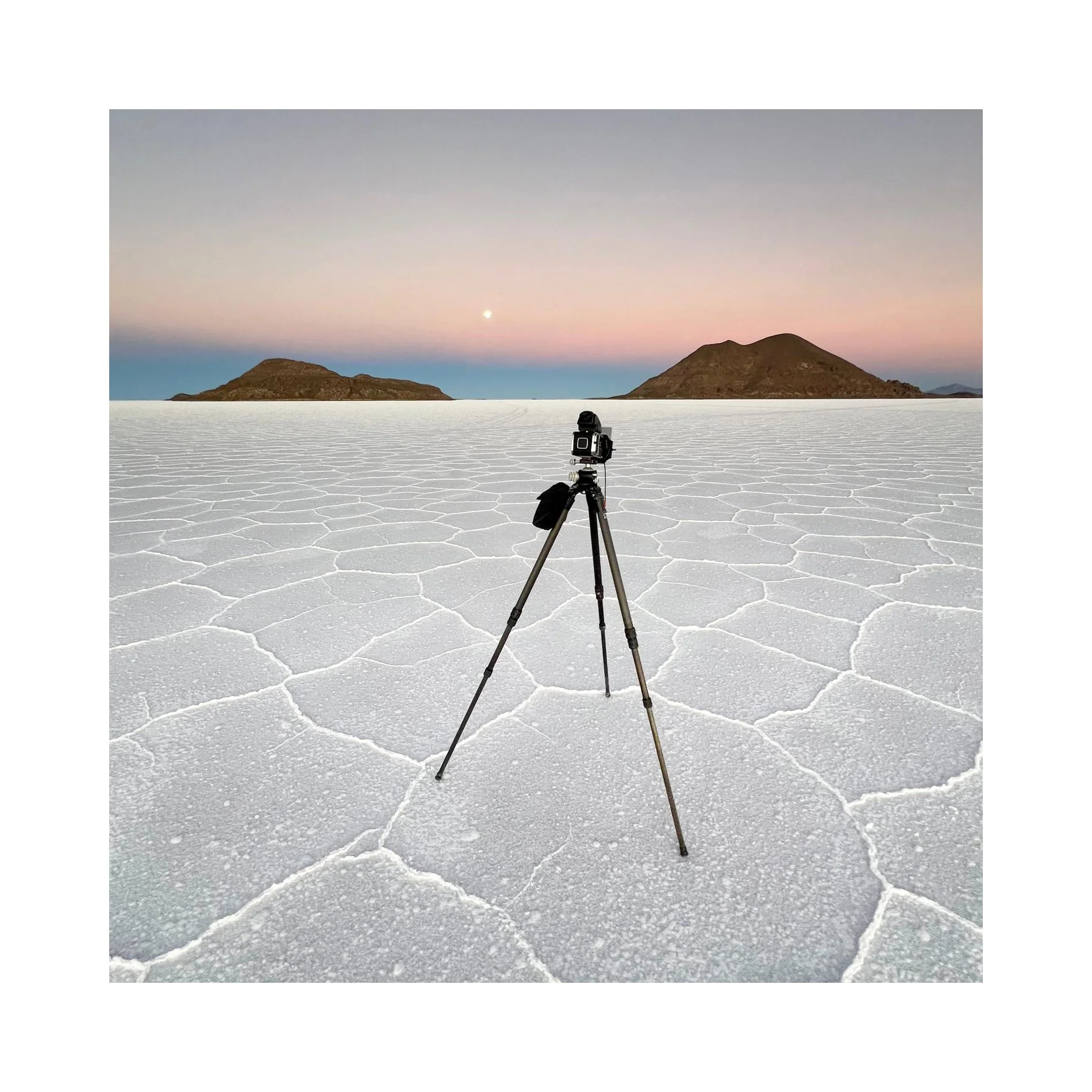
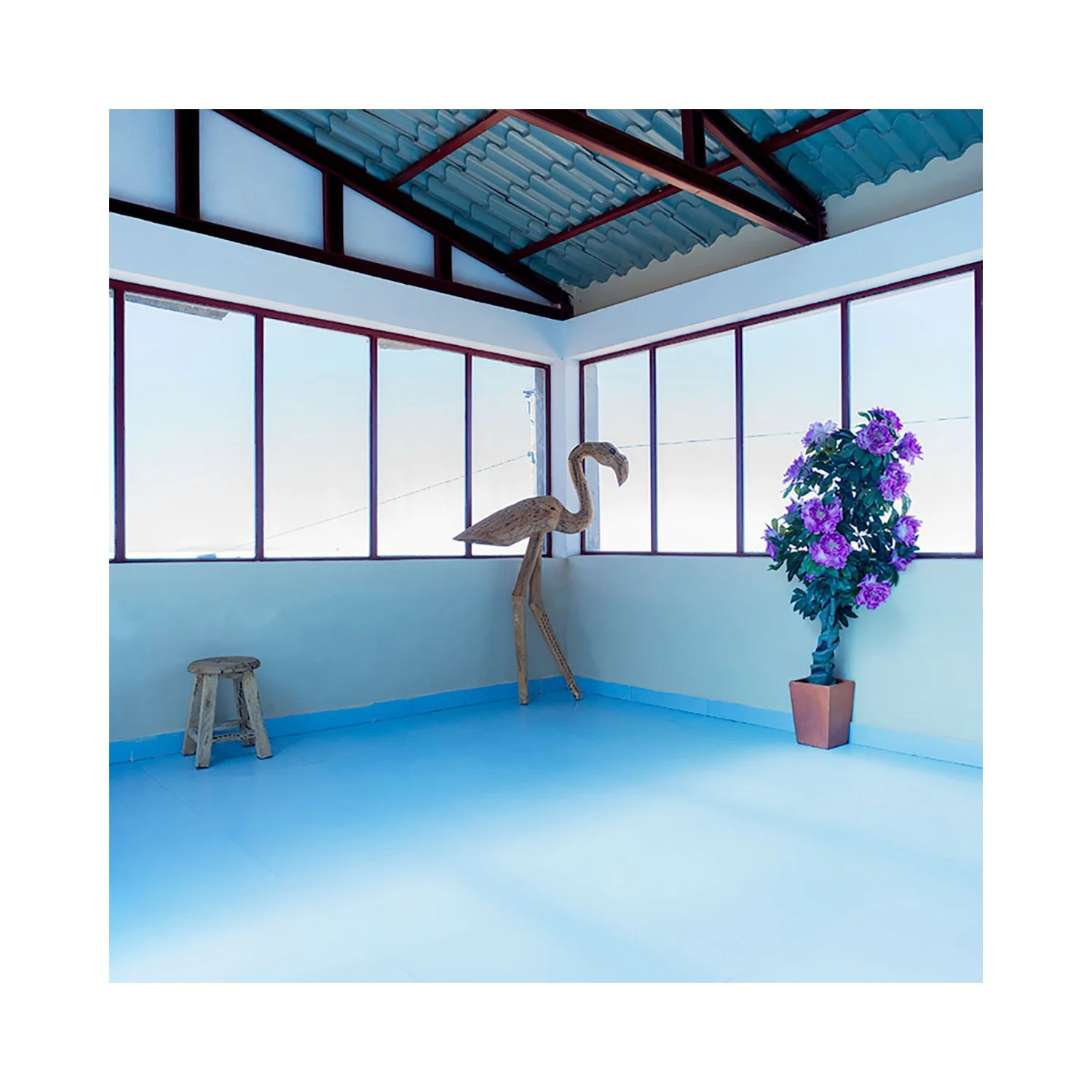
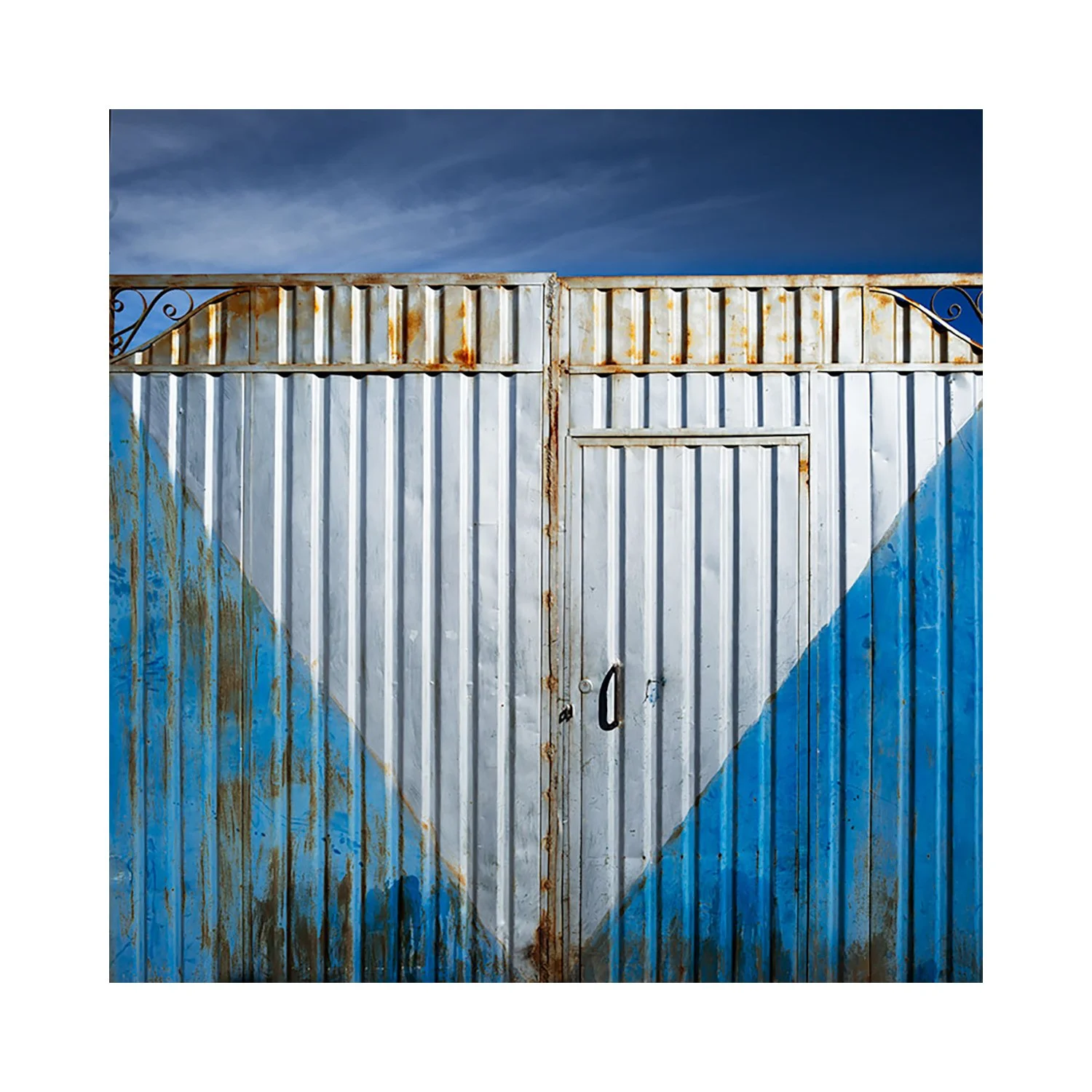
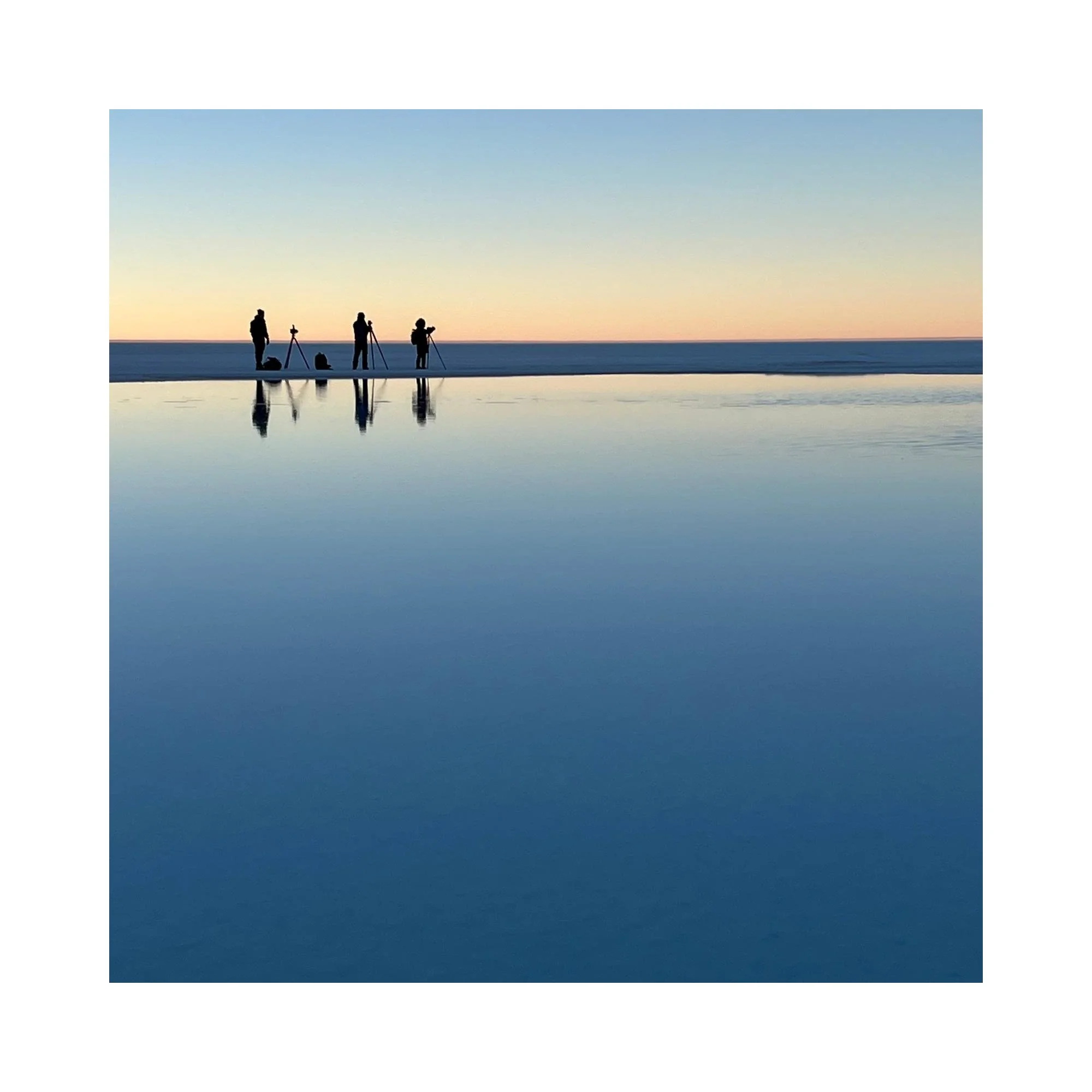
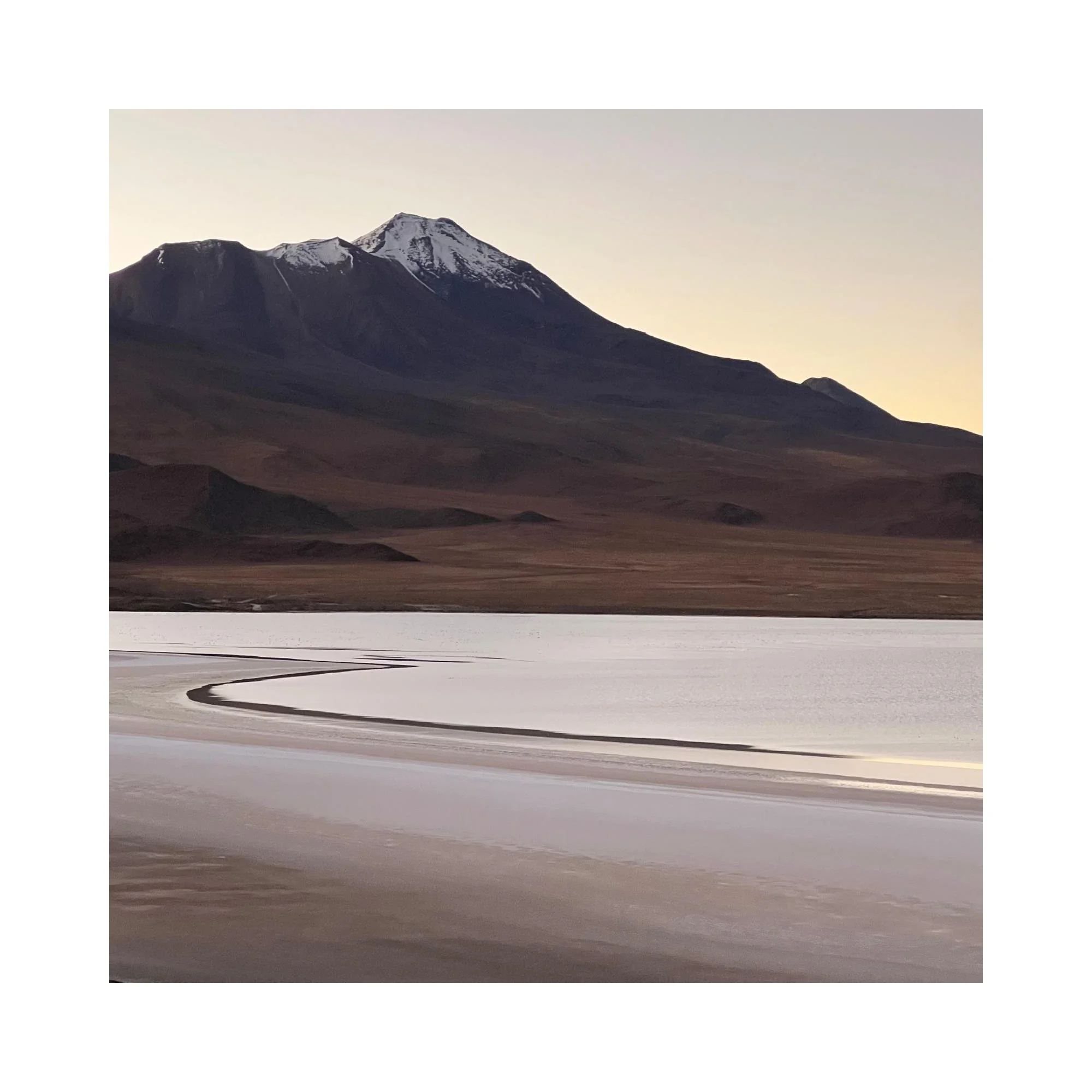
One of the things that I cover a lot on my workshops is composition. It’s amazing just how much people actually ‘know’ about photography, yet don’t employ this knowledge. In this book, which will be the next one to come out, I’ve got some diagrams (drawn by myself!) as illustrations as to why some of my own images work. As usual, there will be a nice collection of images in high-resolution from my trips around the world – Scotland, Iceland, Bolivia for example.
A Photographer’s Compendium
Everything you should know, from shooting in the field to post production. A collection of articles such as process-methods I use in the field to Photoshop post processing to monitor calibration. The essentials you should know and get into the habit of employing each time you make new images.
Portraiture
One thing I don’t seem to be so well known for, is my portraiture work. Well, this book is really a collection of my best Portraiture work with essays about my approach for each of the images in the book.
Examples
40 Photographs, inspired by Ansel Adams book of the same name.
Many thanks to Mike Dodds who gave his Technical Author experience, and Michael Marten who, as a college lecturer and photography enthusiast, was able to give me a good breakdown of what was missing.
If you do decide to buy it – well, thank you, I hope to expand on these books and produce some detailed items to do with travel and landscape photography in future. Perhaps you may like to suggest what you’d like to see in future publications.
Assynt is a special place, situated in the far north west of Scotland. It’s not so well known as places like Glencoe, but I think that’s more to do with Glencoe’s accessibility. While Glencoe has a major trunk road going right through it, Assynt is tucked away from most people and certainly, the photographic press don’t cover it much, if at all. Which is a blessing as well as a burden. A blessing because it’s not overrun with photographers and a burden, because it takes more effort to convince people to come here!
Please click on the image to play the podcast
This podcast deals with the subject of isolation. Perhaps the biggest thing that bothers me while I’m away making images.
I sometimes find myself feeling too much on my own and in this podcast, I try to ask some questions: is it a wild landscape that makes us feel isolated, or does the landscape more or less amplify our own feelings and reflect them back to us?
I’ve been pumping out the podcasts lately. I’m sorry for the sporadic publication of these. It takes quite some time to put them together…. but they are a labour of love on my part. I often find I can get round to doing them when I feel inspired to do so. With any ‘art’, it can’t be rushed, and conversely, you have to strike when the iron is hot (take action when you’re feeling creative). I’ve been feeling creative this past few weeks.
I’m off to the Isle of Eigg this April to conduct a workshop there for 5 days. It’s a super island, with perhaps the most stunning / photogenic beaches in Scotland.
Bay of Laig, Isle of Eigg
I have a few places left, if you are interested in coming. The dates are April 19th to the 24th, and the price is £899. All transport, food and accommodation on the island are included in this, plus tuition by yours truly.
If you are interested in this trip, it’s best to book as soon as you can, as I will have to close the final booking list for this soon. to find out more information about this trip and view the gallery – you can see it here.
To see testimonials from my previous trip to Eigg, then you can view them here. As you will see, the group I had last year had a terrific time.
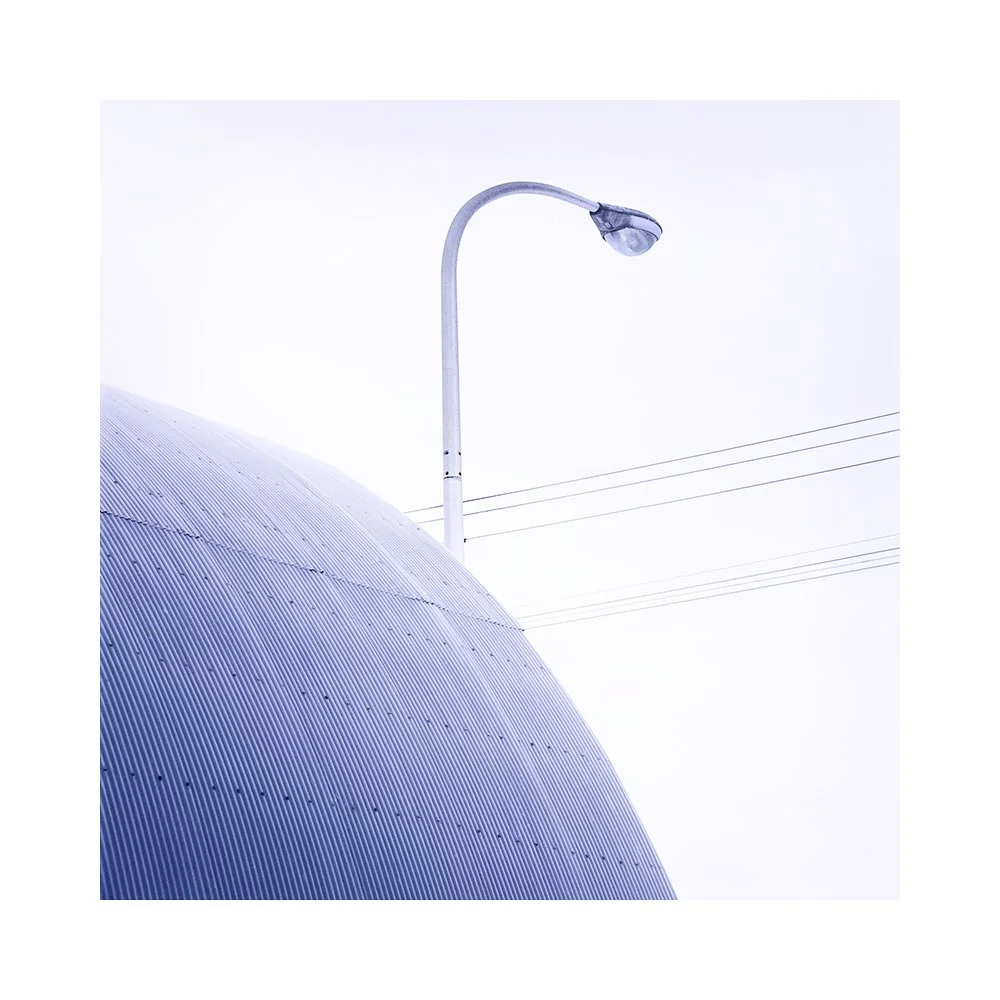
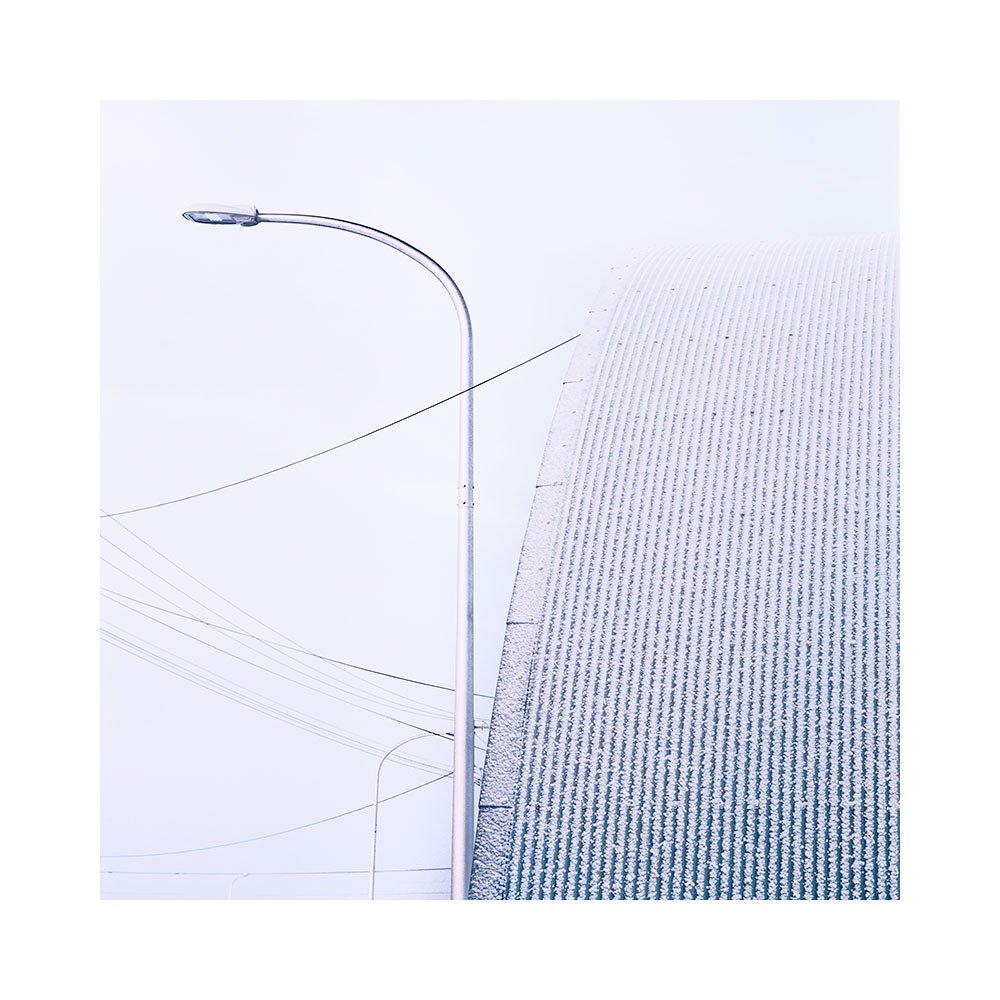
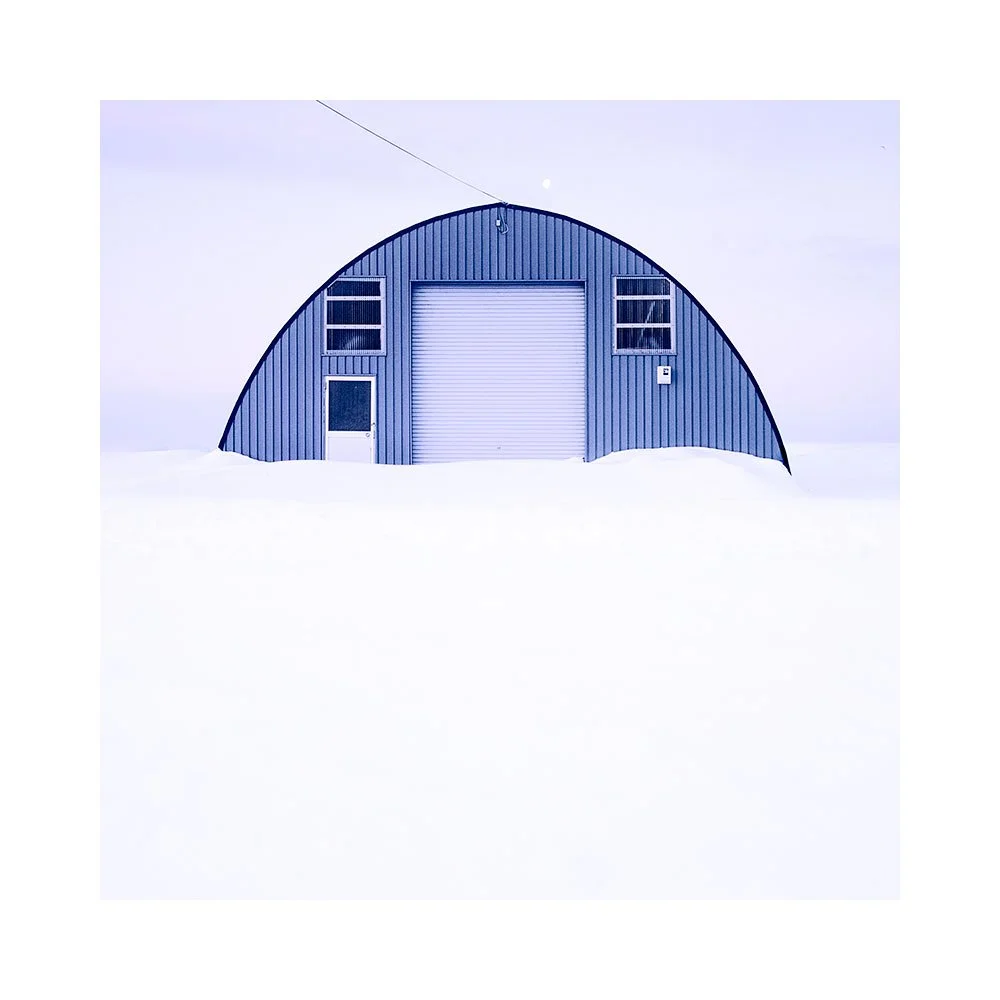
Last week I was interviewed by Amateur Photographer magazine, for a 4 page spread / interview on Torness for their April issue.
Watch Lights, Torness car park, East Lothian
Torness is an incredible landscape. Man made, fractious in appearance, it’s pretty much the opposite of what I tend to shoot. But surely there is more to landscape photography than wilderness? Not that I’m slighting the wilderness. It’s beautiful, but sometimes I feel I should be pushing the envelope in my own work and trying something different.
Well Torness was just that, and I’d felt I’d come up with some compelling images. So I submitted them to Outdoor Photography magazine here in the UK. Not because I feel that OP would be appropriate, but because there’s very little choice in who I can submit it to. I wasn’t surprised when OP rejected my article about Torness and the photos. The editor was keen on the pictures, but in their words they ‘couldn’t get anybody to pick it up’. I’ve always felt since that rejection that my images did not fit the narrow guidelines of the magazine.
So it was with surprise that Amateur Photographer magazine got in touch. They weren’t interested in any of my other images, just the Torness ones for the exact reason I felt they were worth publishing – the were ‘a little bit different from the usual early morning landscape work’. Please don’t misunderstand me, I don’t feel that the Torness images are highly original. If I were honest, I’d say that I was let loose with a new 5D digital camera and fell quickly into making images that were influenced by Michael Kenna’s work, albeit in colour.
Anyway, the article should be out in April at some point. I haven’t seen any of the text for the interview, so I will be interested to see how I’ve been represented. The girl in question who interviewed me did a great job with her review of my site, so i’m hopeful for a good outcome.
For those of you who would like to get an insight into my workshops, Norrie who participated on the January Glencoe trip has written up his account on his web site. You can find it here.
Needless to say, it’s a good review and it was very nice of Norrie to get in touch with me to let me know about it.
I love doing the workshops. It’s great to be able to pass something on, and see someone ‘get’ it. I particularly like Norman’s processing of this image – it looks very natural. Some digital images can be over-processed. The green rocks in the foreground by the way, were really that vibrant – I brought them to the attention of everyone on the trip that weekend – what the camera sees and what we see are often not the same thing.
The reason I got into making podcasts was because I was inspired by a podcast I saw by Jake Warga. He’s an independent reporter.
I was intrigued by Jake’s podcast. There was a great story, good production values and good photography too. I’ve always been interested in reportage, and so for me, it felt like Jake had shown me how to combine my photography with a story.
I’ve been talking to Jake for the past two years now. He’s in Patagonia at the moment, and he’s approached me about doing an interview. I’ll let you know if something comes of it.
Anyway, I’d love to show you some new stuff by Jake. I’ve just been on YouTube tonight and found these. I think they’re great. It’s interesting stuff.
I know that many of the visitors to my site are interested in Landscape Photography only, but I personally feel that most of us start there and progress to other forms of photography. I love portraiture and reportage. I’d love to do some reportage at some point: to tell a story. Perhaps later this year if I manage to make it to Ethiopia (next place on my list). Until then, why not watch these two podcasts to see someone weave a story with some excellent audio and photography:
India was captivating in many ways. In this podcast, I try to convey how overpowering India’s culture is and how it affected my approach to portraiture photography.
Please click on the image to play the podcast
Now that I’ve had some time to reflect on my trip to India and to re-charge my batteries, I’d love to go back. I think we need something to challenge us, to surprise us from time to time and in that respect, India succeeds hands down.
I’m really quite surprised to discover that it’s taken me just over a year to get round to putting this little podcast together. I think there was a lot going on for me last year and a lot of travel. It was so satisfying going back to the audio recordings I made whilst in India and listening to them with fresh ears. It took me right back. I’m hoping to record more ambient sound for future podcasts….. it’s a much more enriching experience to have sound as well as photos. Perhaps even video at some point, but I feel that involves quite a bit of a leap in technique. For the time being, I’m just going to stick with iMovie for my basic slideshows and an Audio recorder (Sony PCM-D50 which is great by the way) and of course, my photography for the substance to my podcasts.
I’ve been stung a few times in the past, and as the saying goes ‘once is bad judgement, twice is a fool’. This is in relation to buying into a promise that a product will do what it says on the tin, only to find that it doesn’t live up to expectations.
Apple’s version 3 of Aperture has just hit the shelves. When Aperture 1 came out, I was a big fan. I liked the approach, the philosophy behind it, but the performance of the software (the more hardware you throw at it, the more it consumed) along with the number of bugs in it really left me feeling short changed.
Then version 2 was announced I had high hopes that they’d fixed the performance of it. But they hadn’t. They’d covered up some of the cracks with ‘fast preview’ buttons for example, to make it appear that the software was working fast. The only thing was that my CPU was getting hammered all the time – just even by opening it up.
So I did what I didn’t want to do: I moved to lightroom, which I felt at the time (and still do) had poor library features and a clunky interface. But Lightroom is fast, it will work on any piece of hardware and even my old G5 is very happy playing ball with it. So I’ve come to love Lightroom, besides the interface and the poor library features, it does what it says on the tin, and it does it really well.
I feel Apple had a chance back at version 1 of Aperture. Lightroom was still new and a bit wet behind the ears too. But it’s perhaps too late for Apple to convince all those but their existing customers to give Aperture 3 a go.
I’m no longer in the market for a Raw Converter program but I am in the need of a good software library, so I guess my pondering over Aperture is a bit moot. Lightroom and Aperture both have similar issues with dealing with large film-scanned images – they don’t perform well. But this is mostly irrelevant for photographers these days as the number of film shooters is really in the minority now.