Preamble - this has been written to offer an insight into what it takes to set up and run a tour or workshop smoothly. I suppose my aim with this, is to help assist anyone who is considering booking a tour or workshop with a photo leader. There are certain things worth thinking about, that should help you make a decision.
As a workshop leader, I often think my participants are oblivious to many aspects of a trip when they book or choose one.
To me, I would only be going with someone who has demonstrated that they have been there many times and know it well. It takes a lot of time to get to know a location, and to work out the logistics so things work very smoothly. For if the tour runs smoothly, then it can give the illusion that it was easy to set up.
That is one downside. If the tour or workshop leader does his job well, it can seem as if he’s doing nothing very much at all. Yet the truth is, throughout the day, all photo tour leaders are constantly re-calculating how the day will pan out as time spent in certain locations is shorter or longer than anticipated. This can only be done well if they know the place well, and have time and experience of being there with groups.
So I personally would prefer to go on a tour with someone who has been going to a place for many years. They most likely have built up a good knowledge of the landscape, and have the skill to offer something when plan A fails and plan B has failed as well.
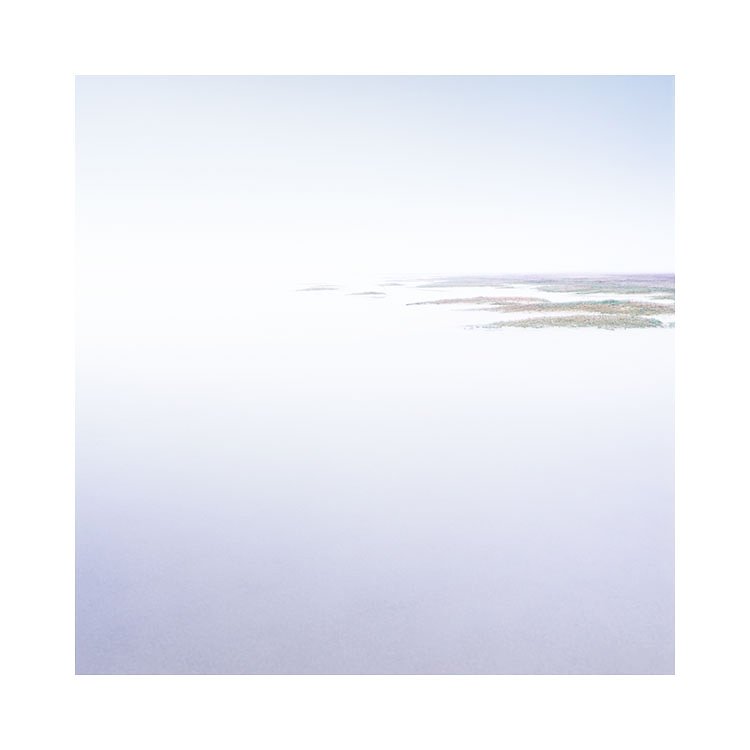
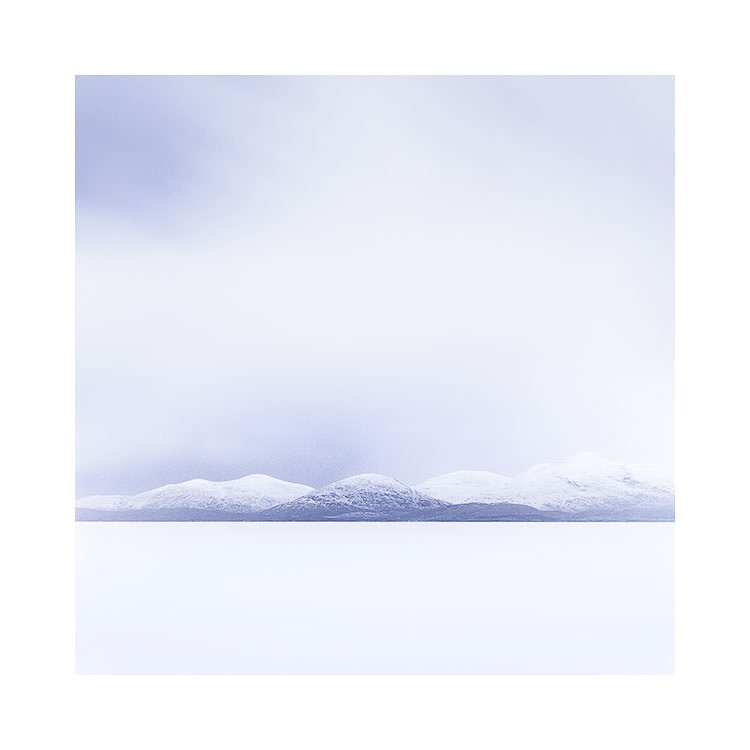
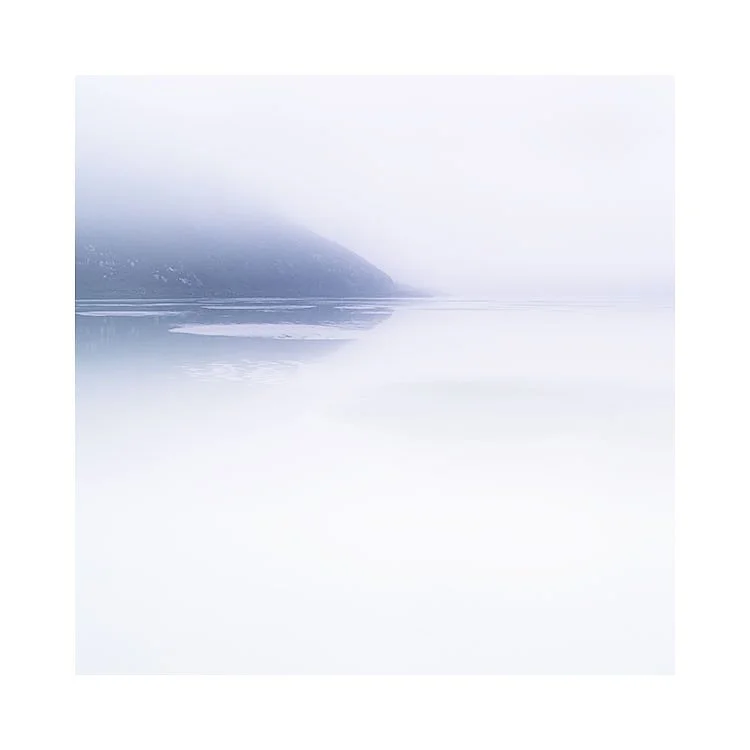
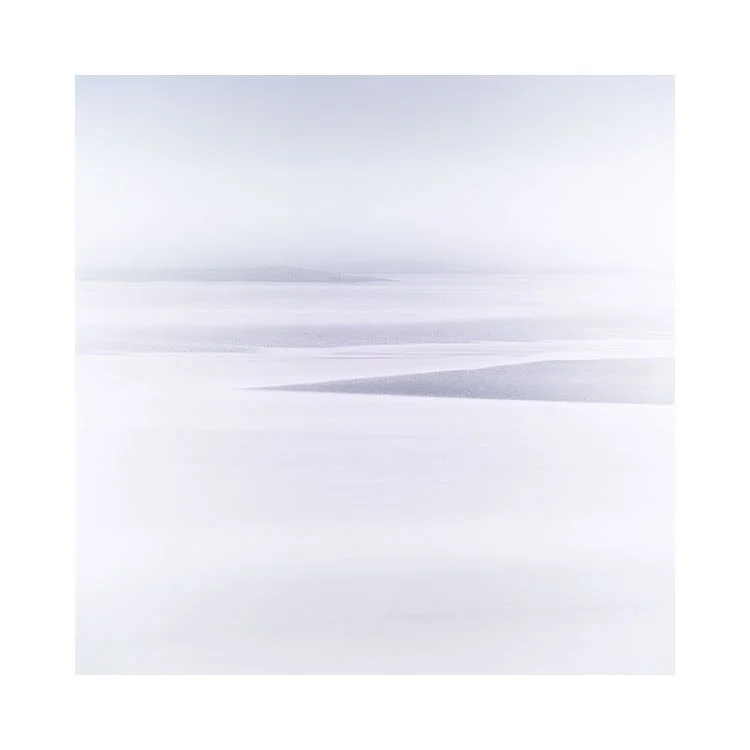
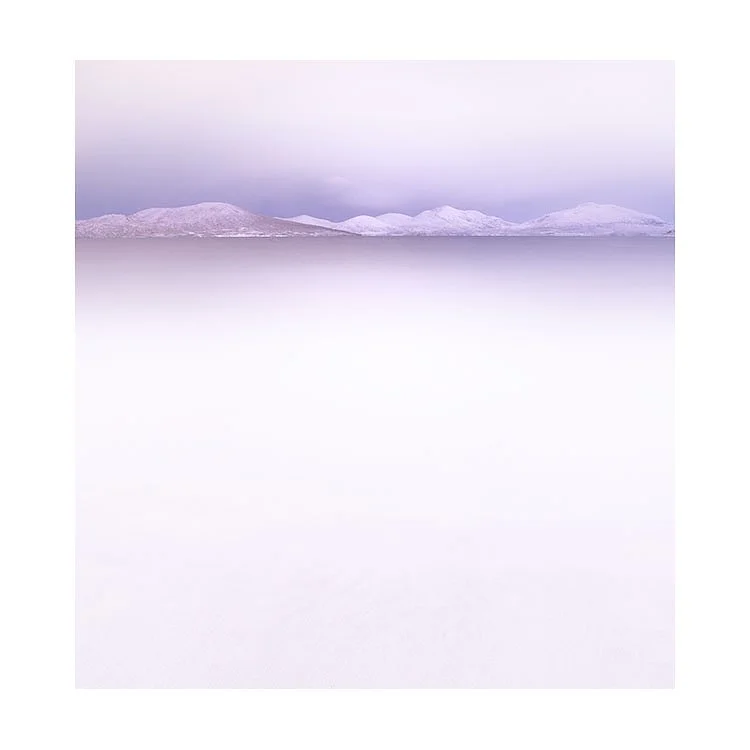
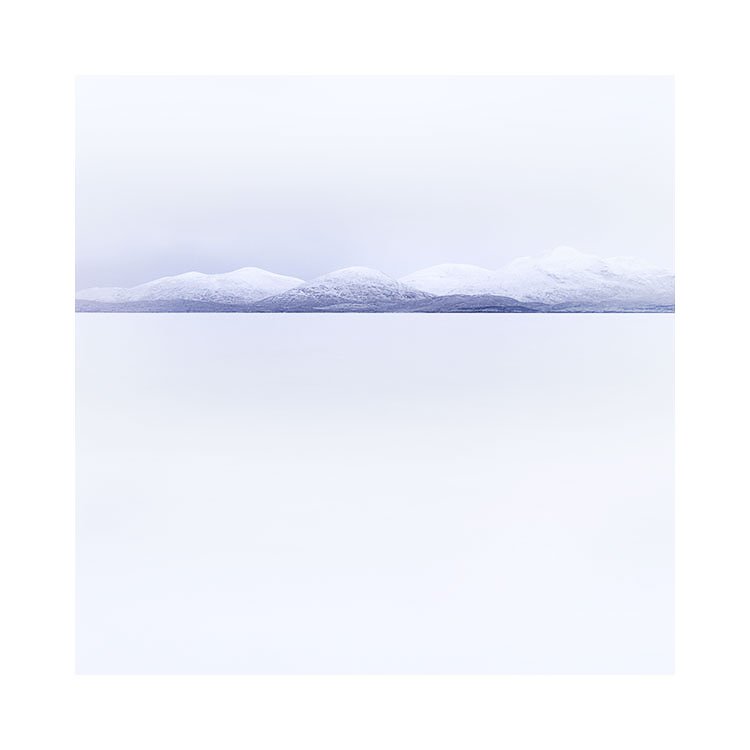
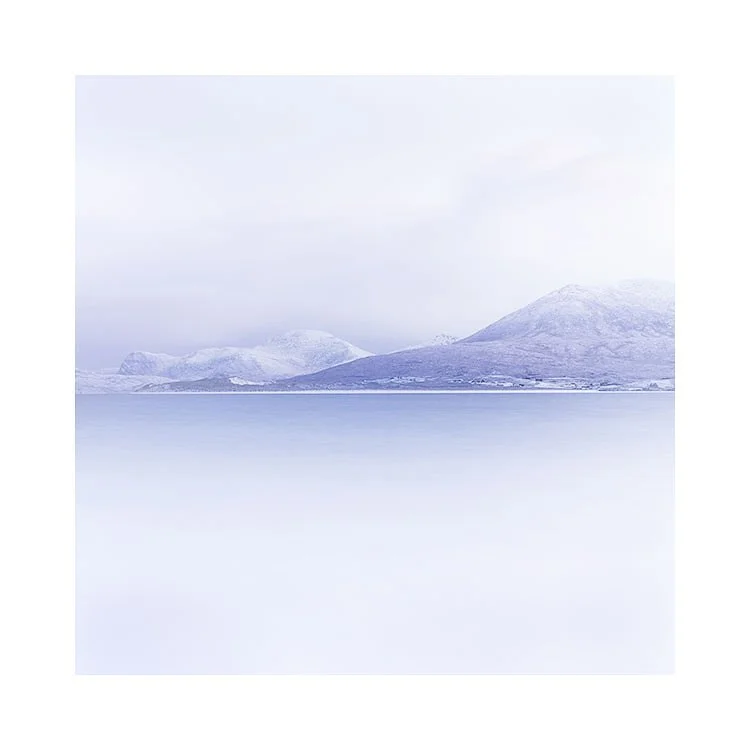
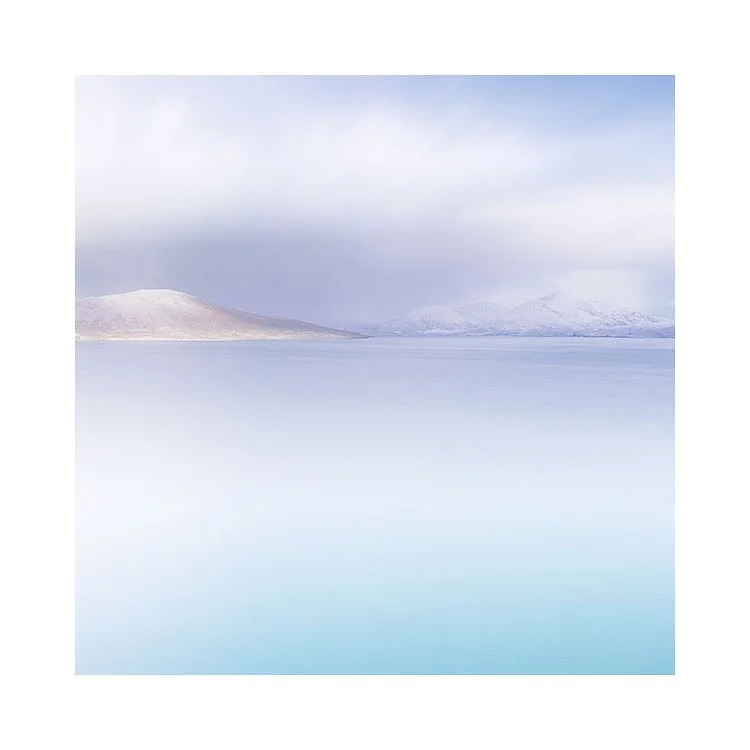
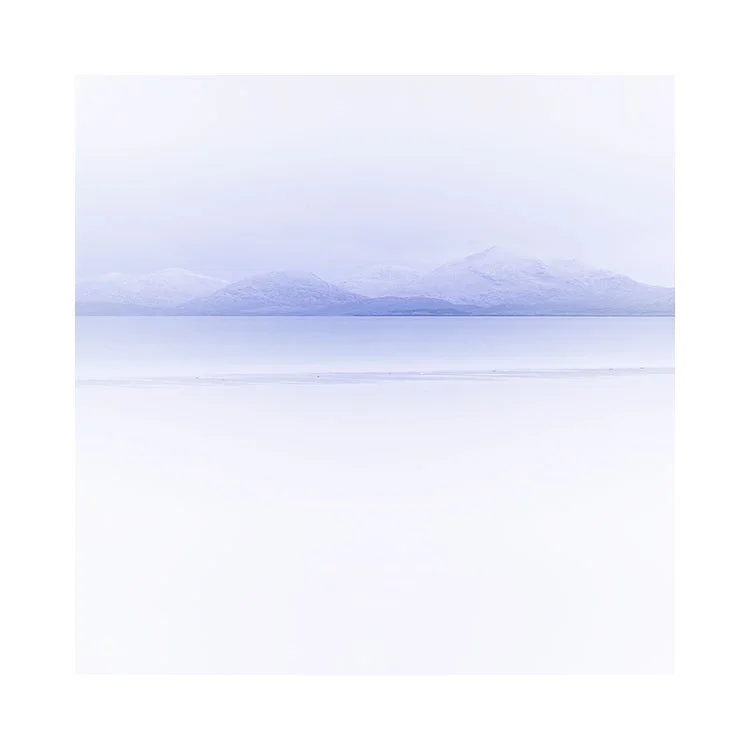
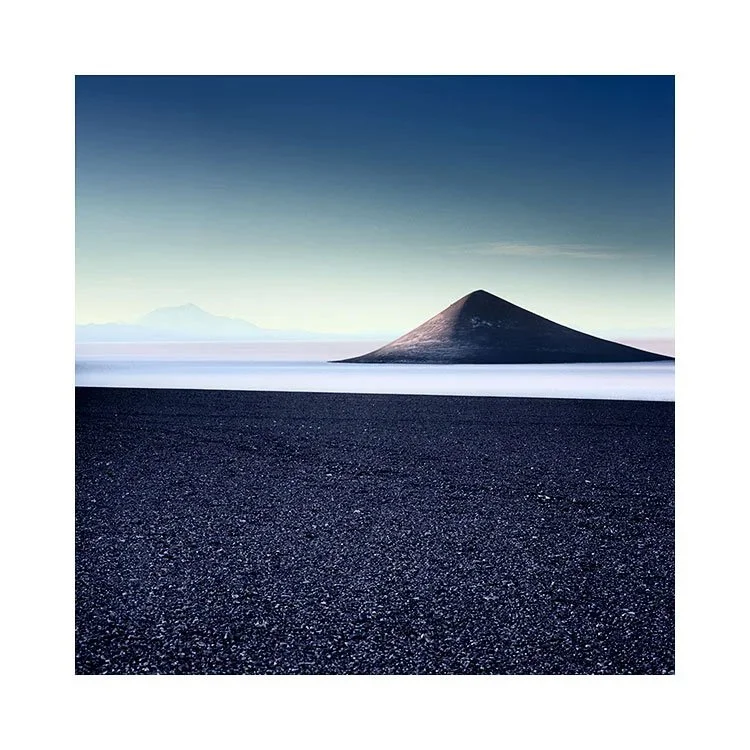
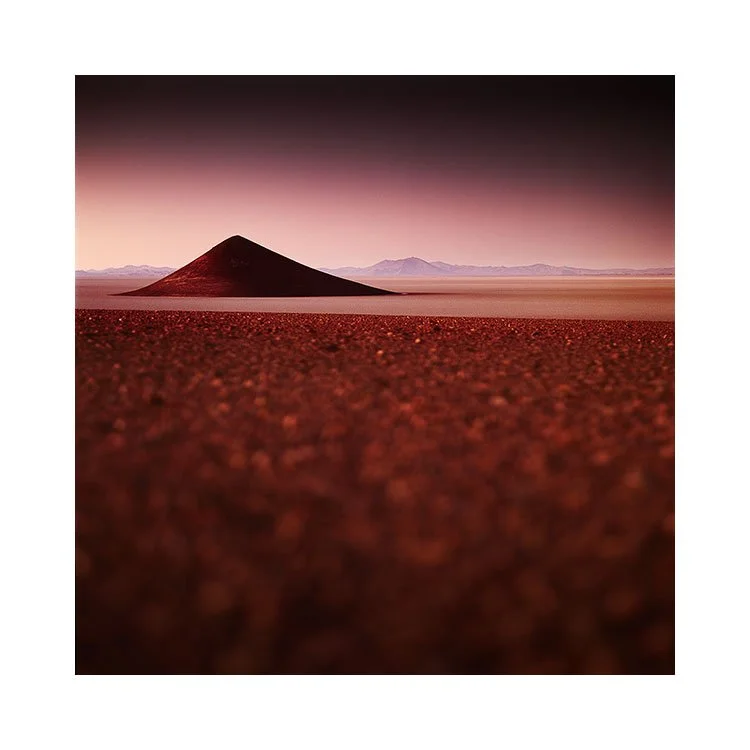
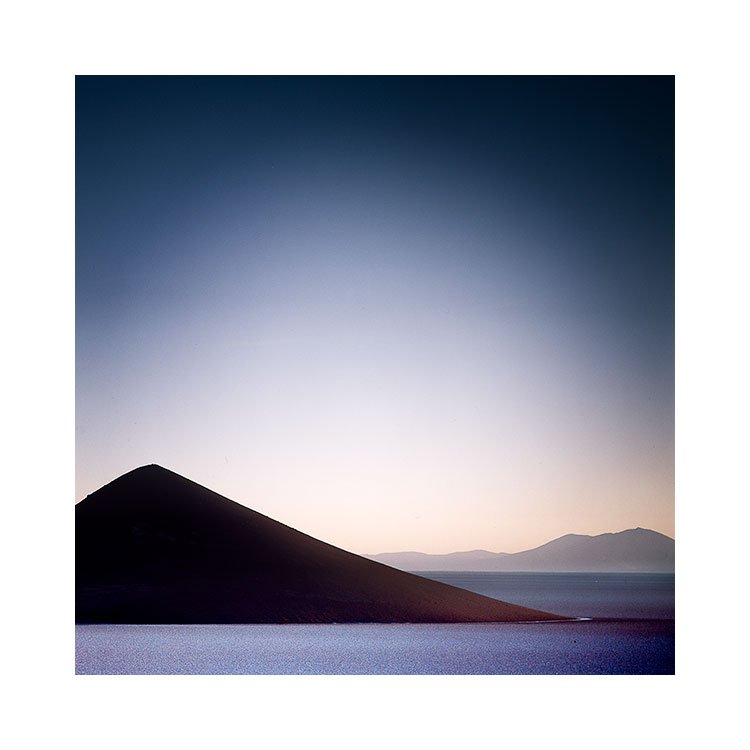
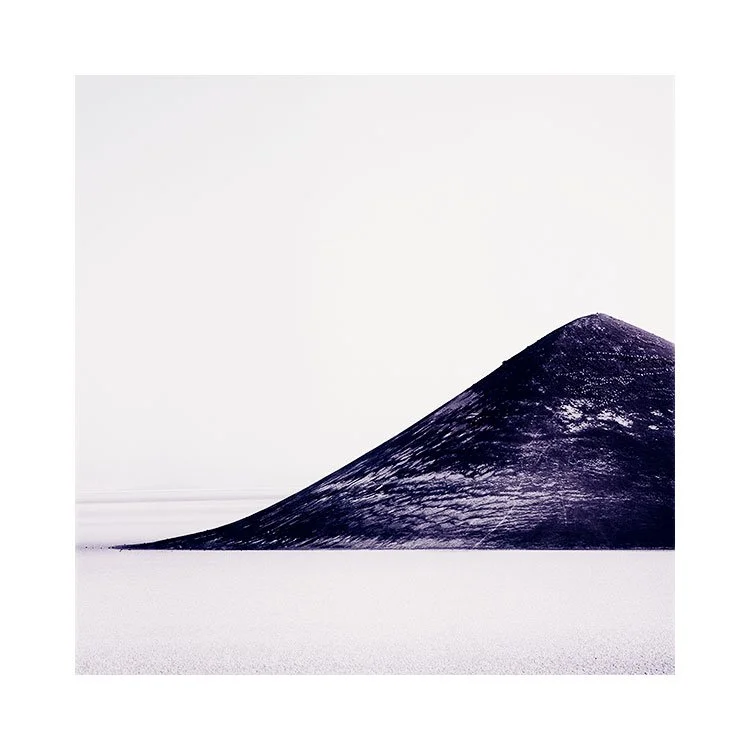
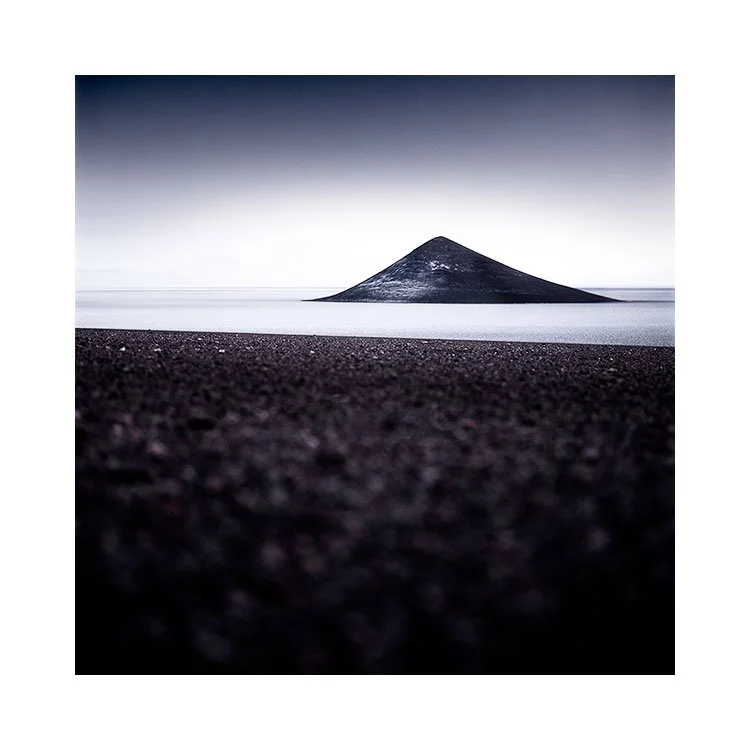
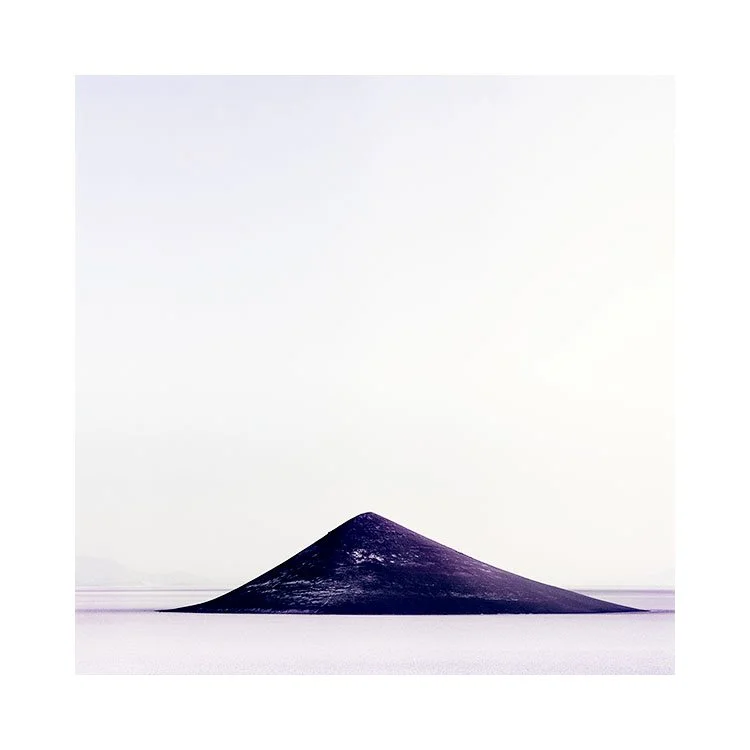
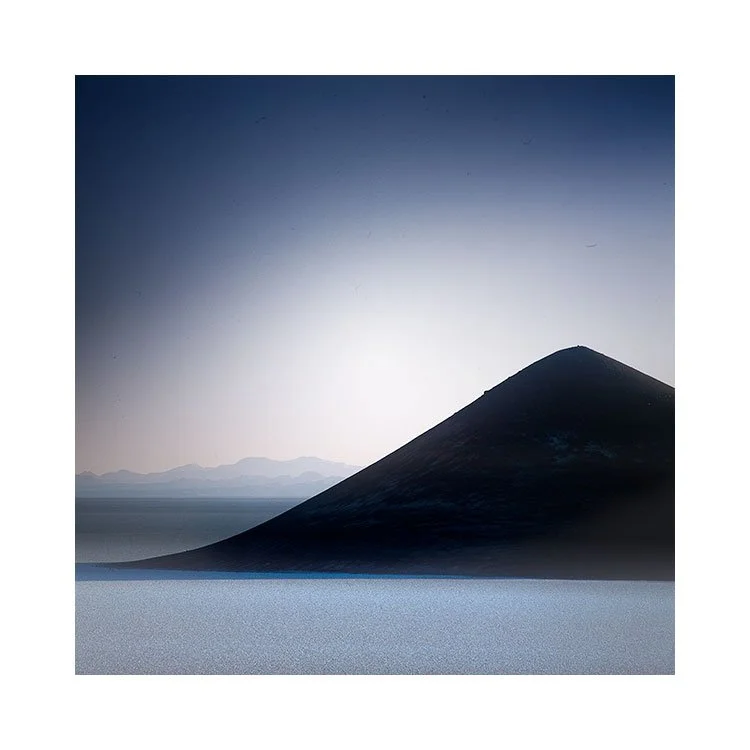
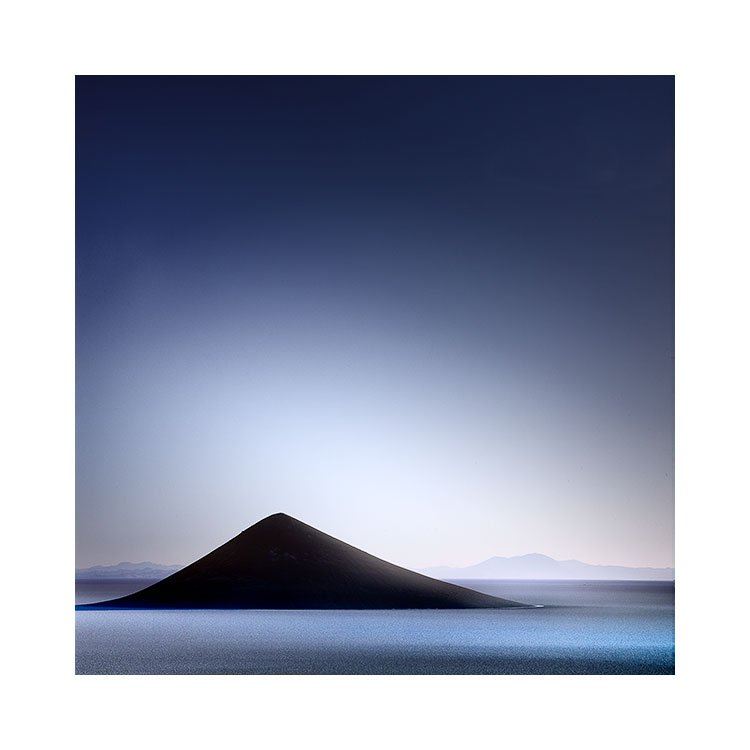
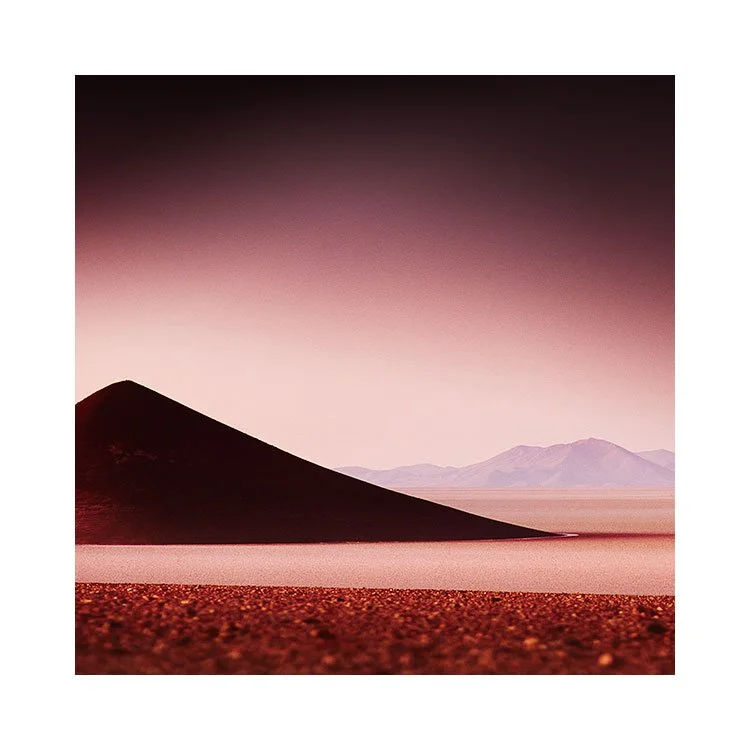
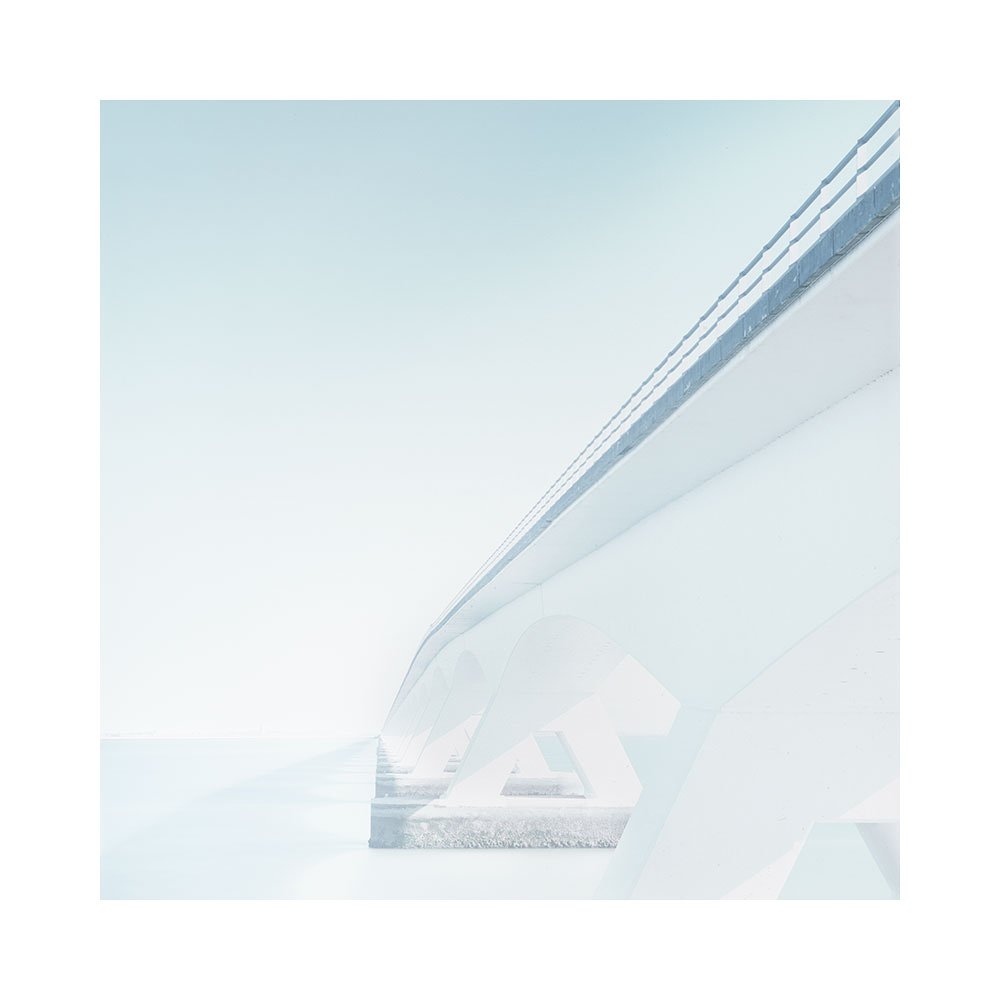
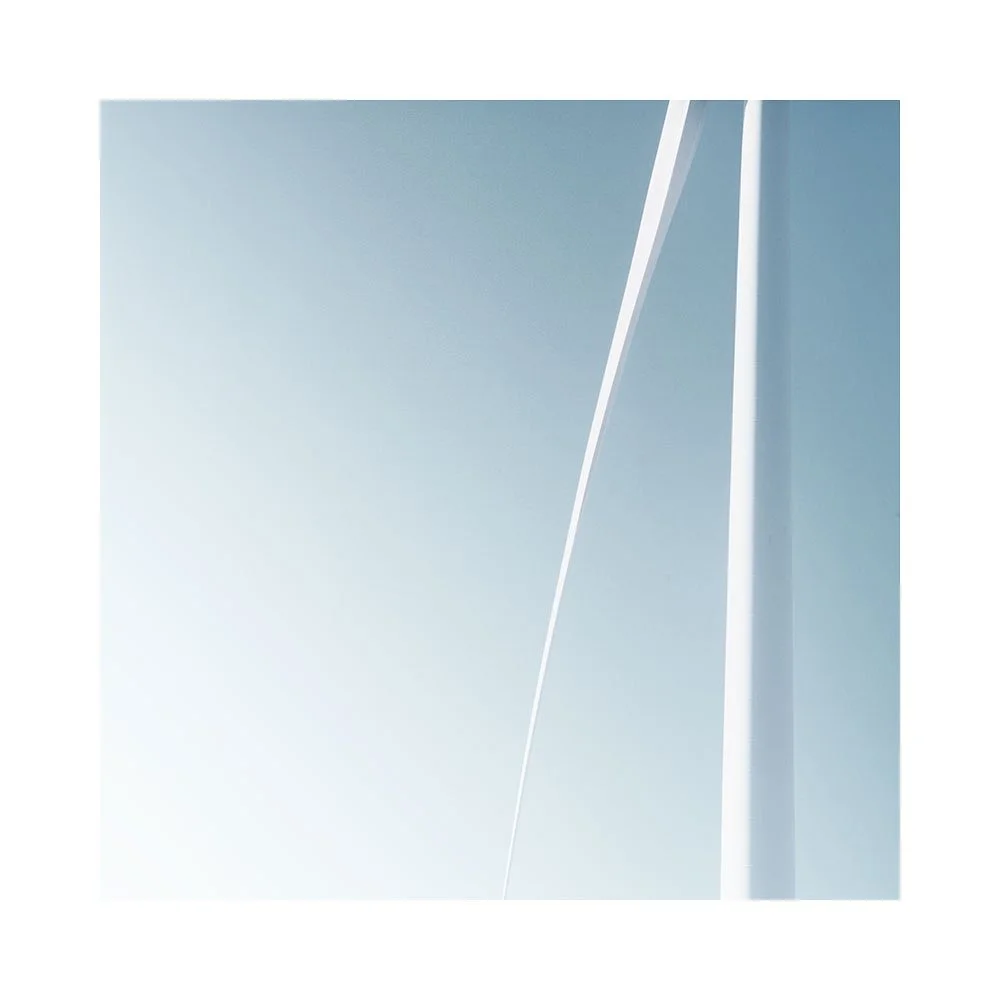
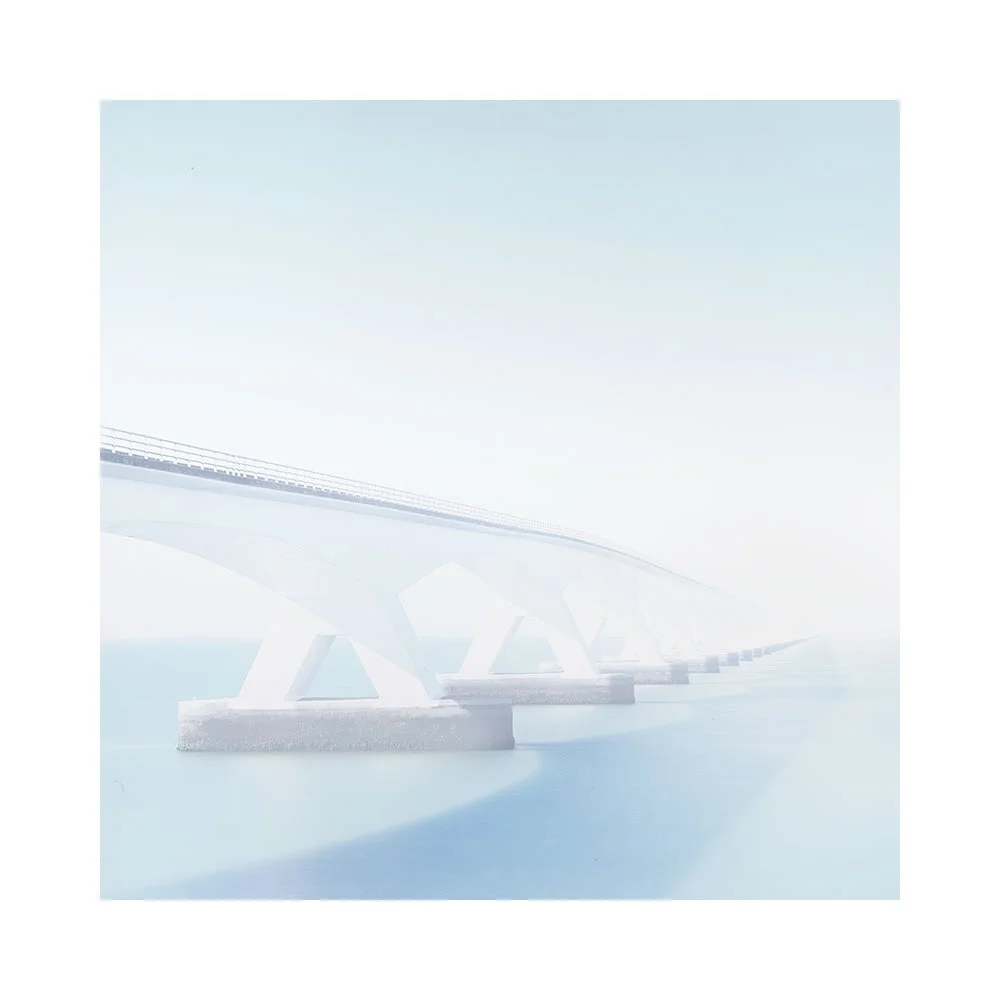
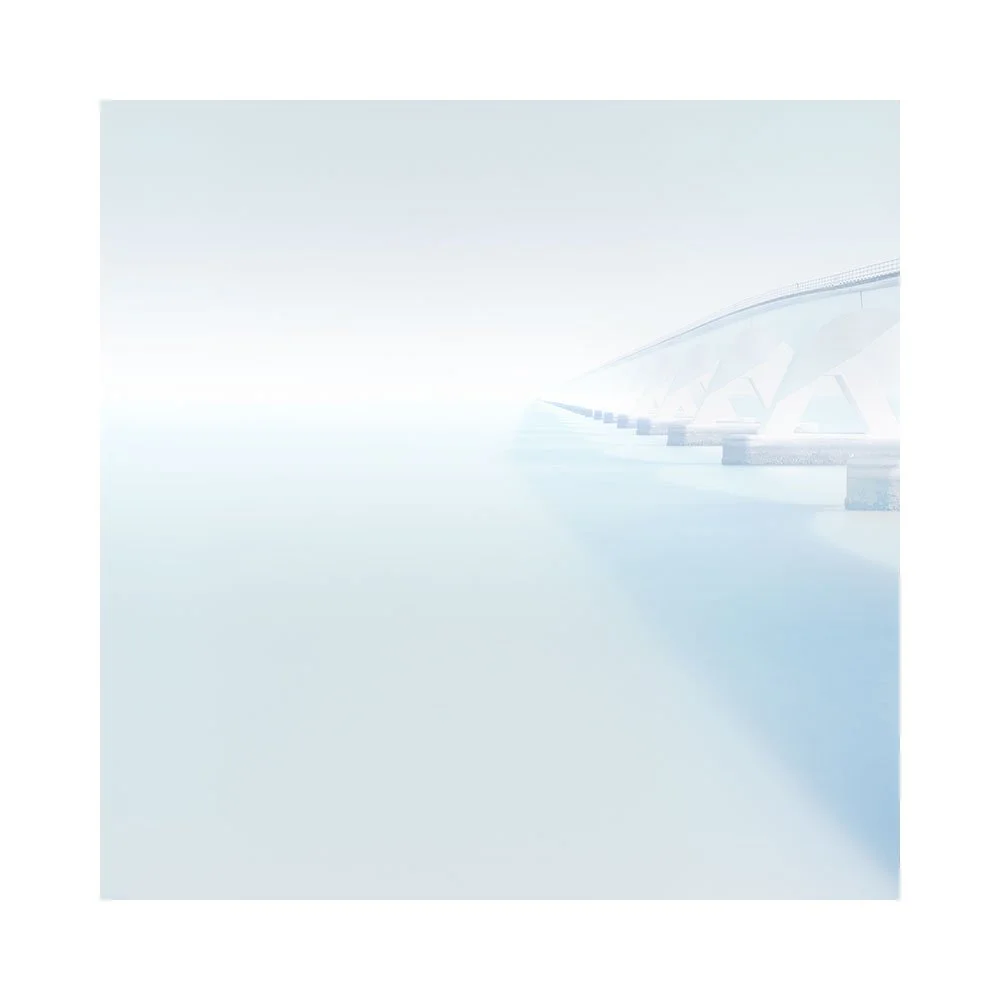
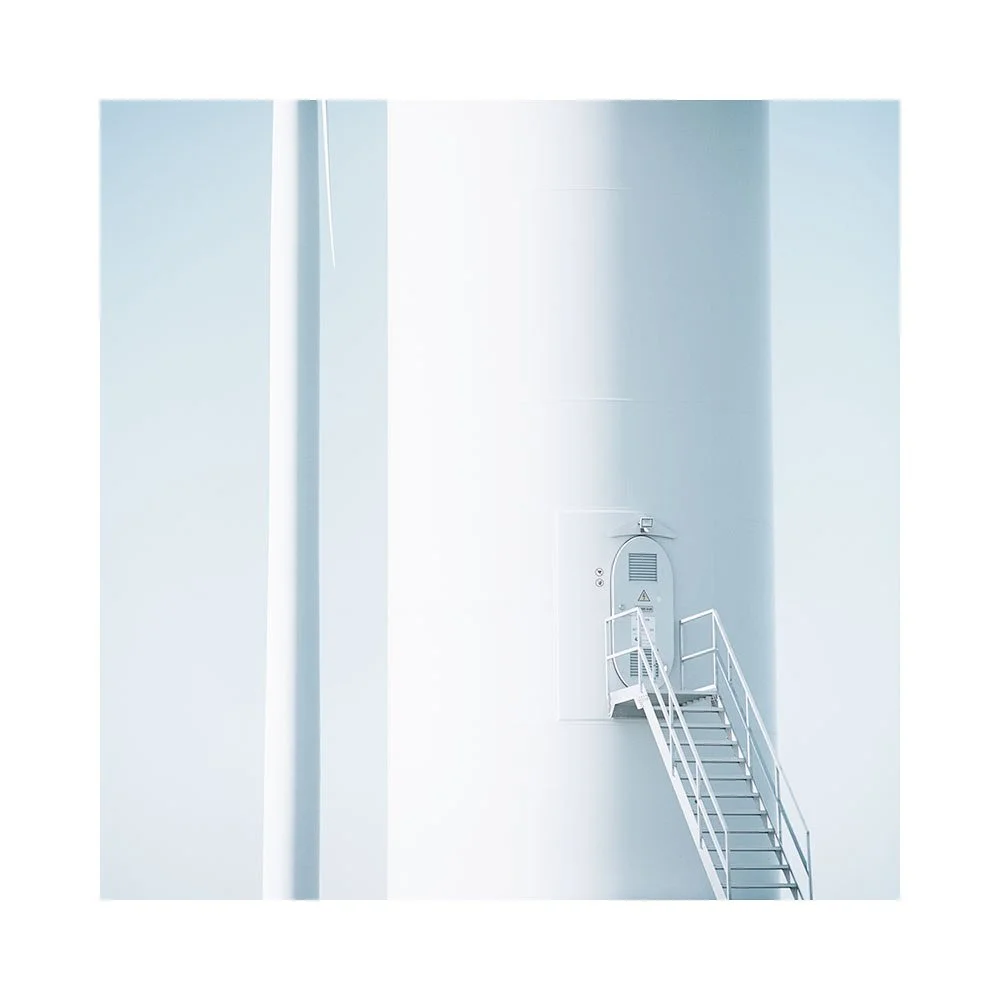
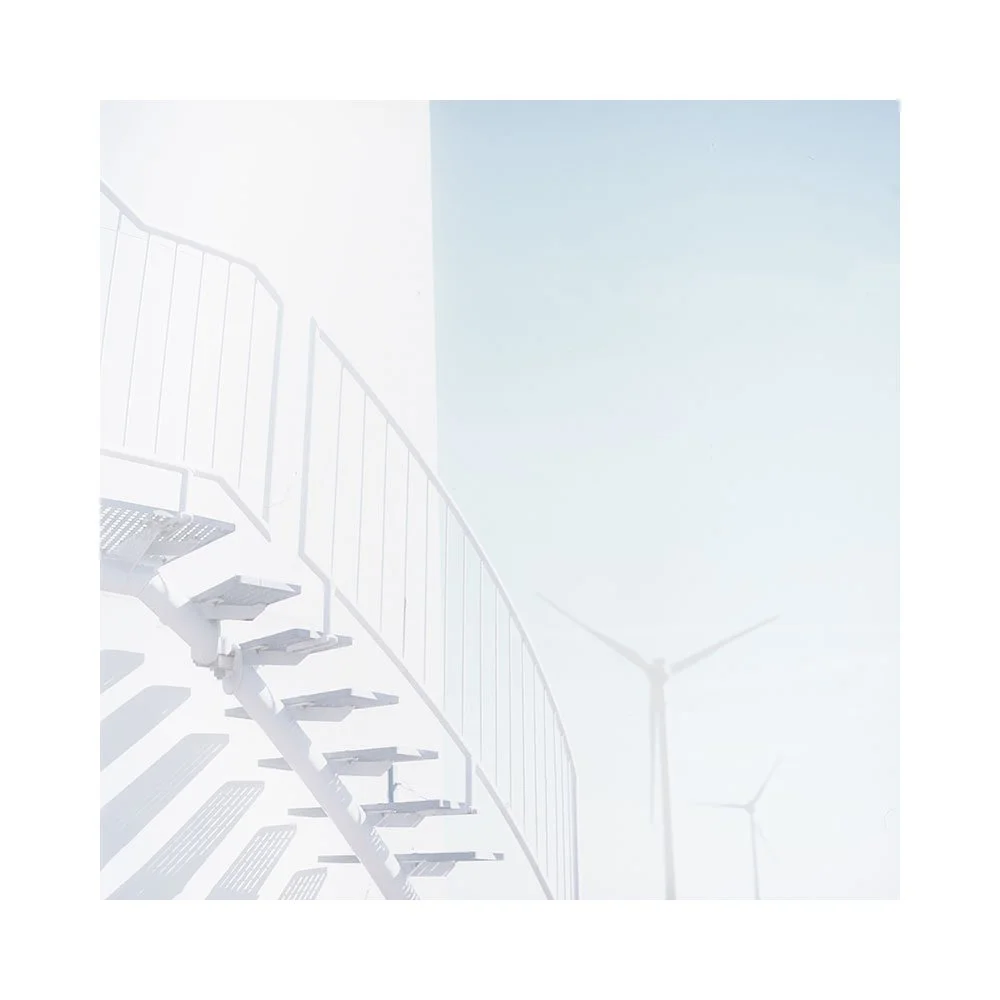
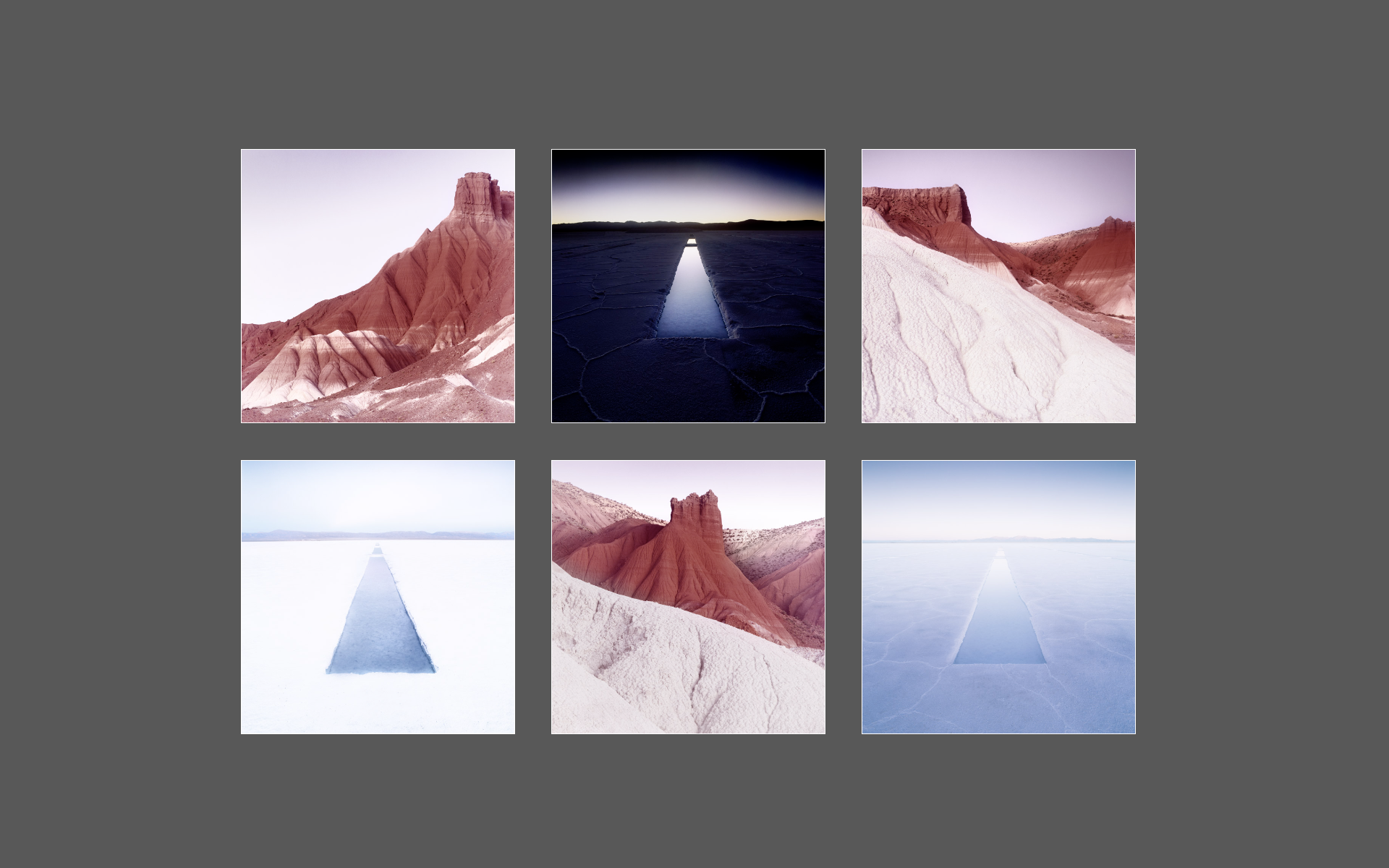
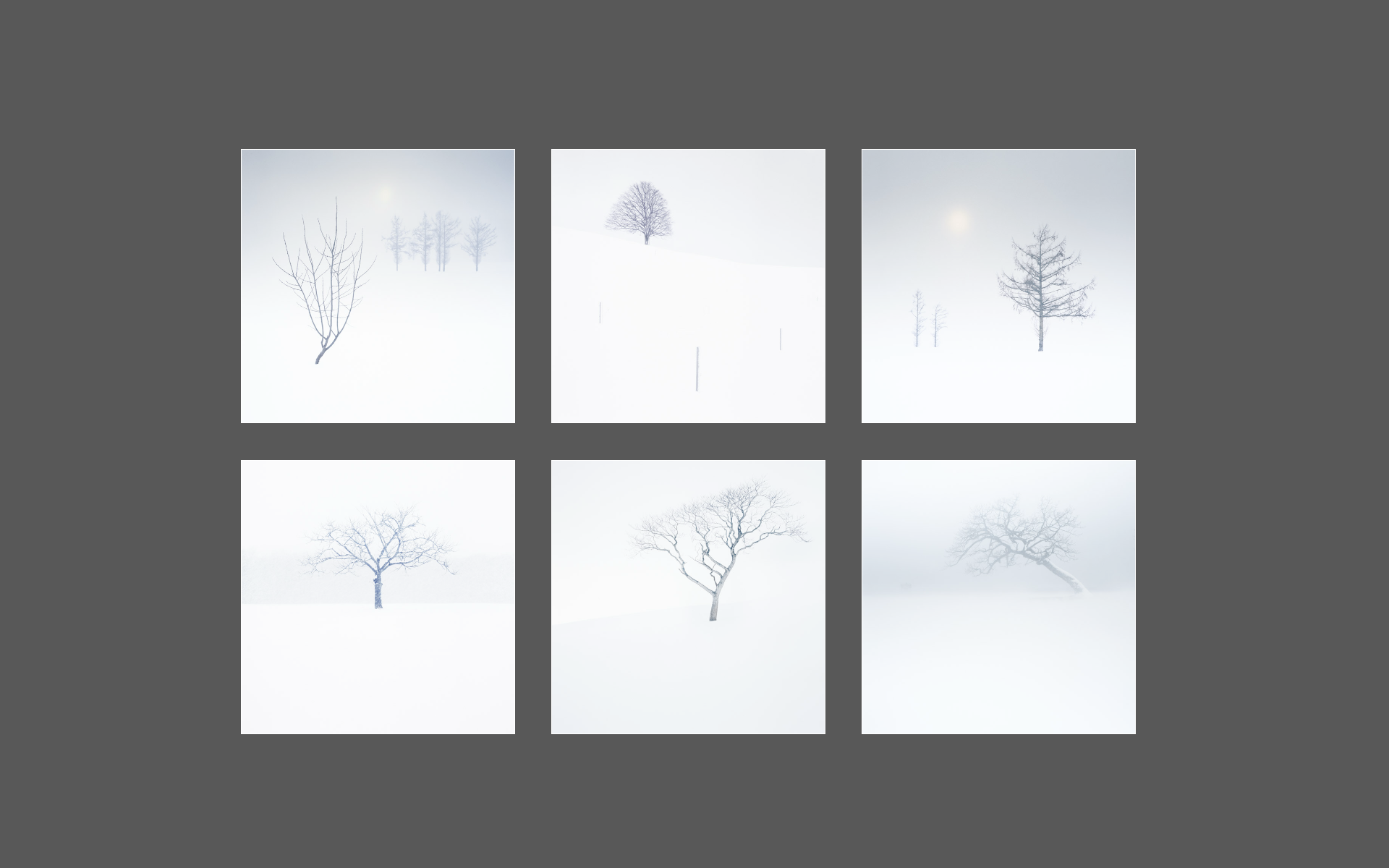
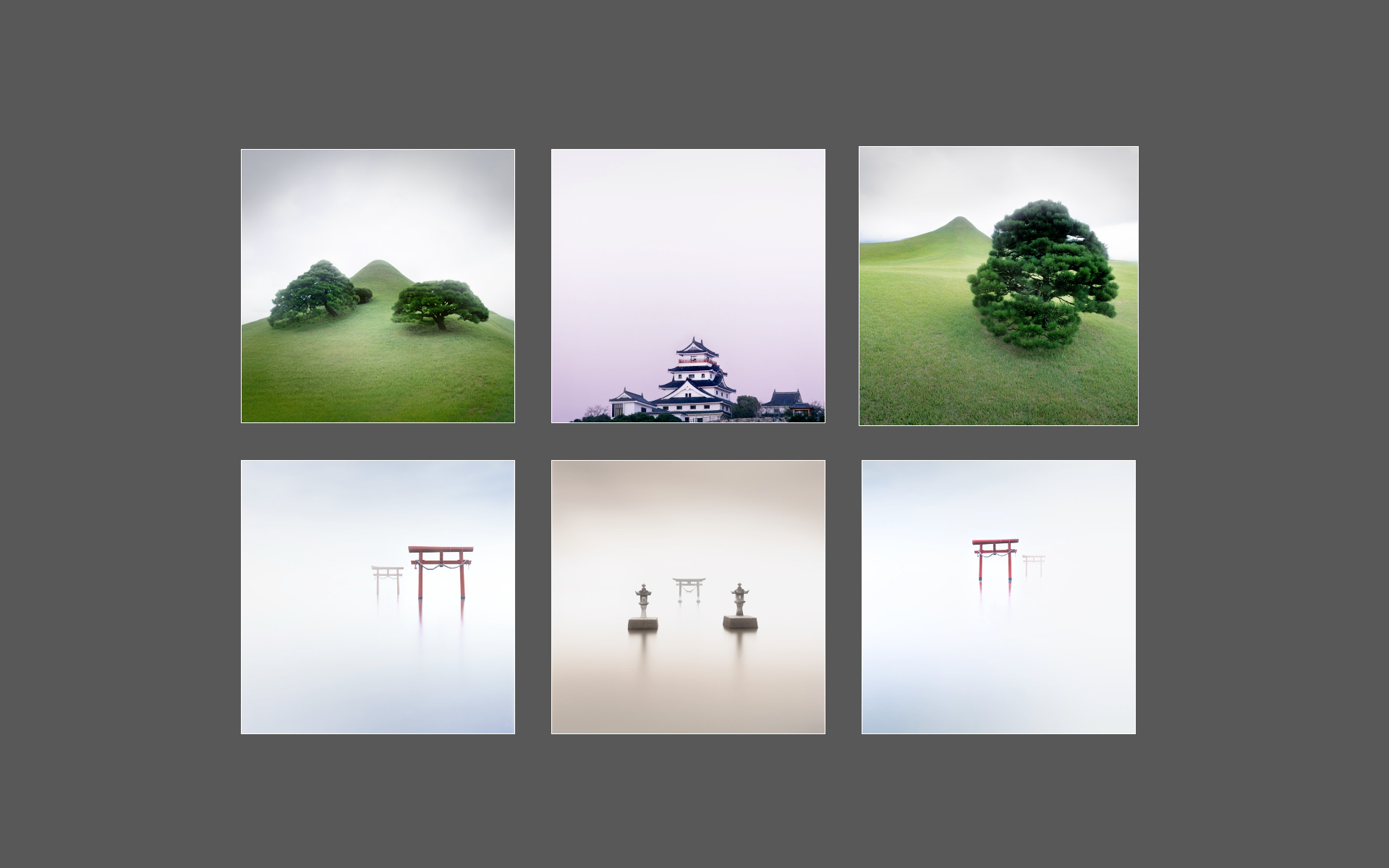
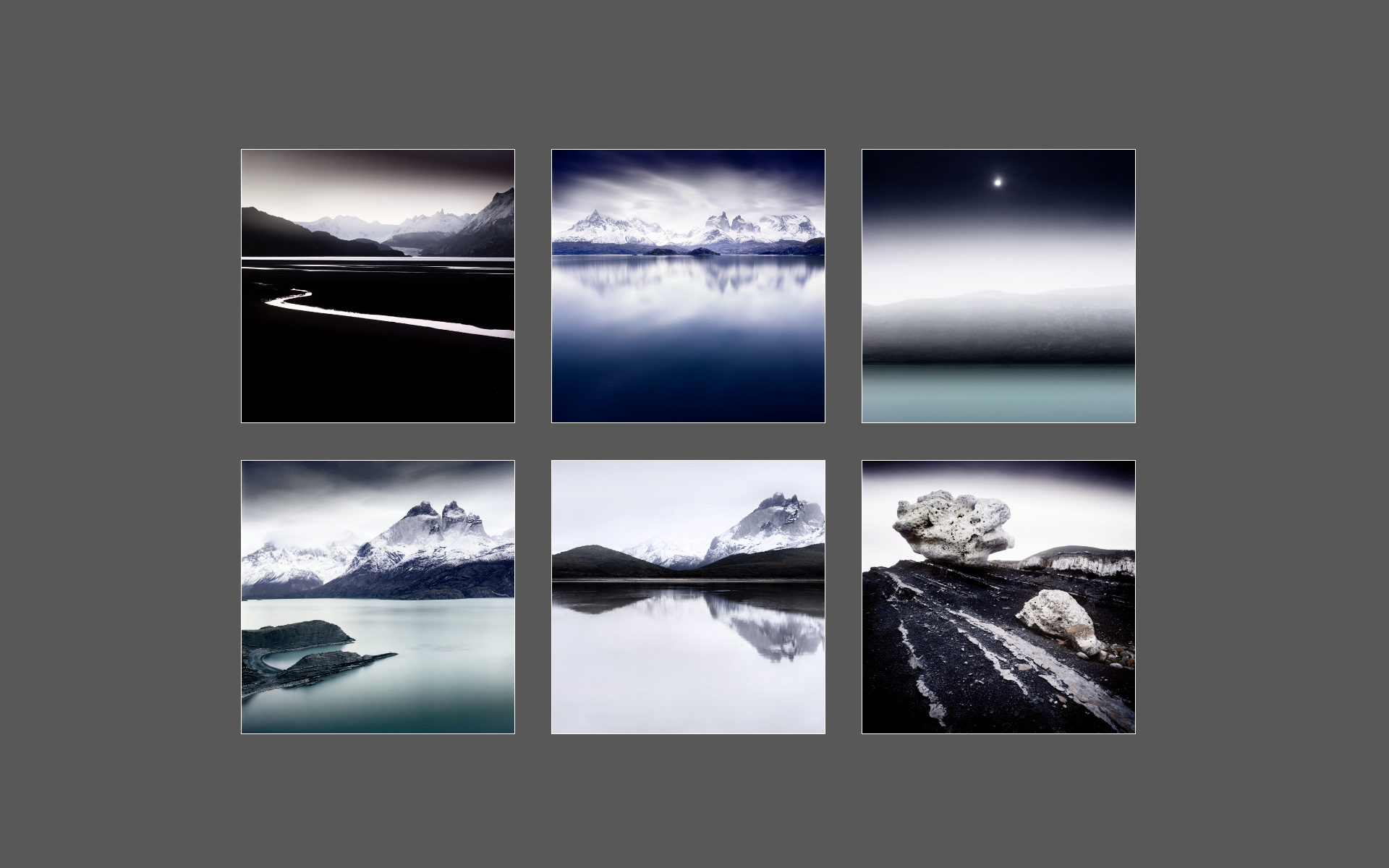
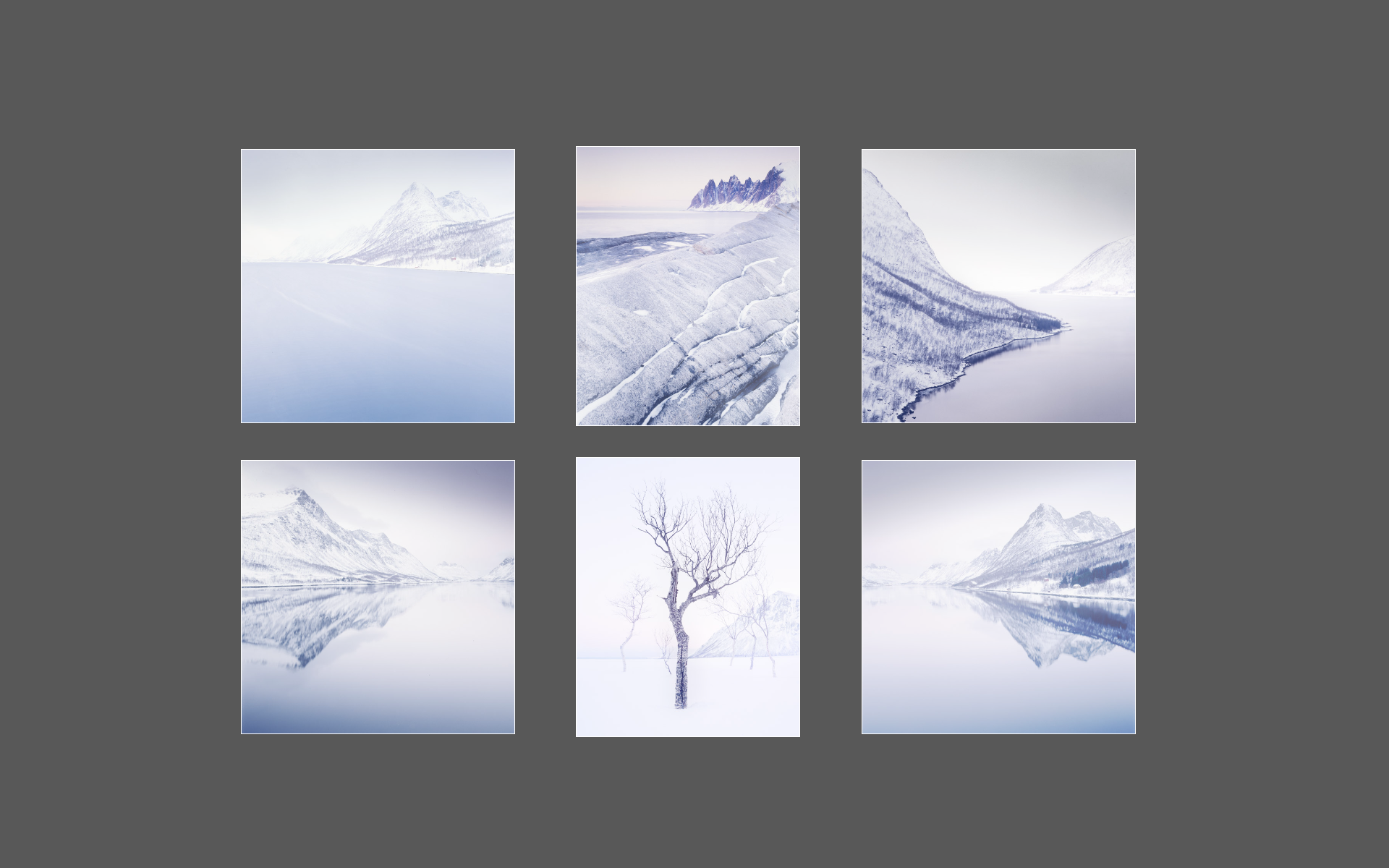
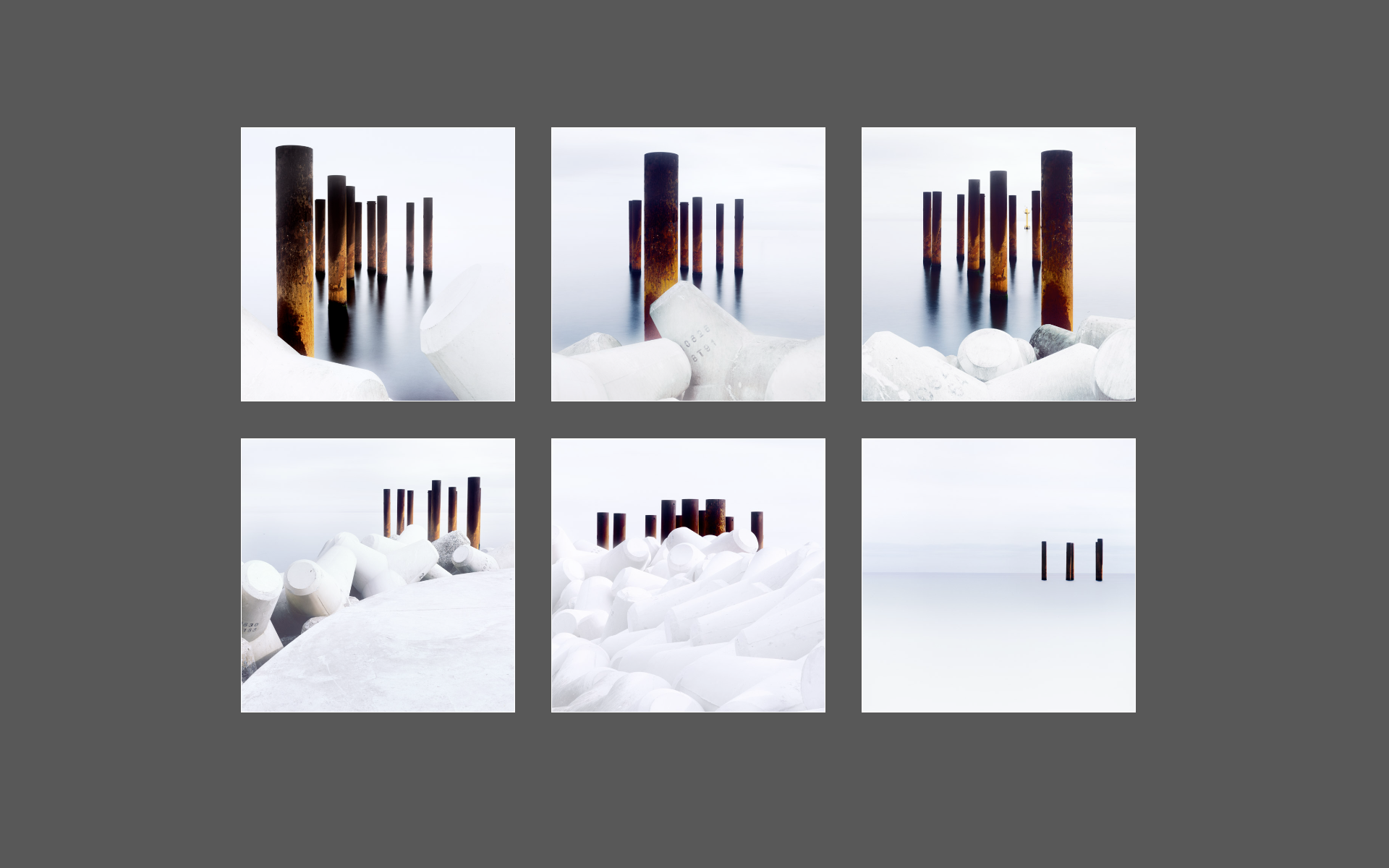
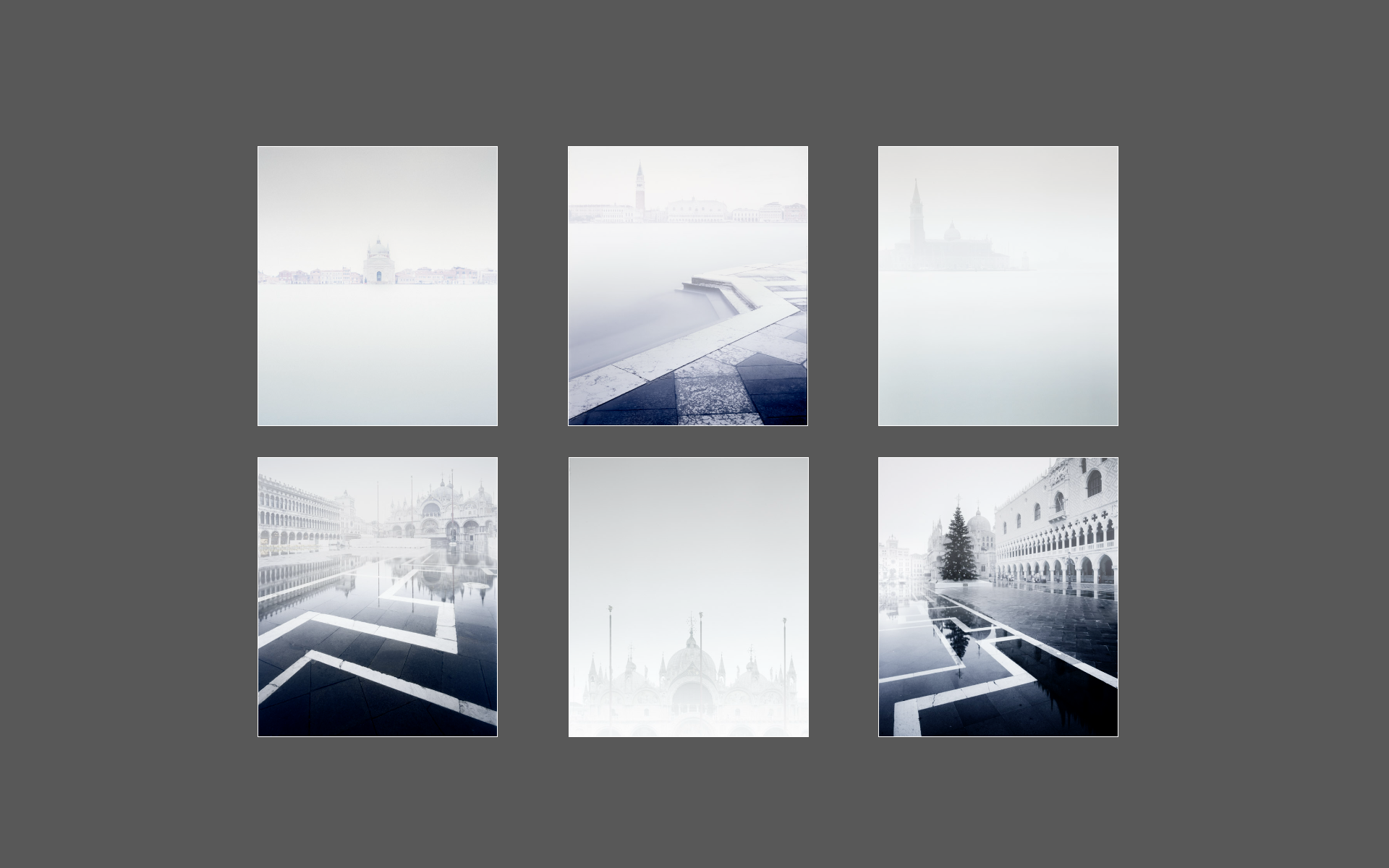
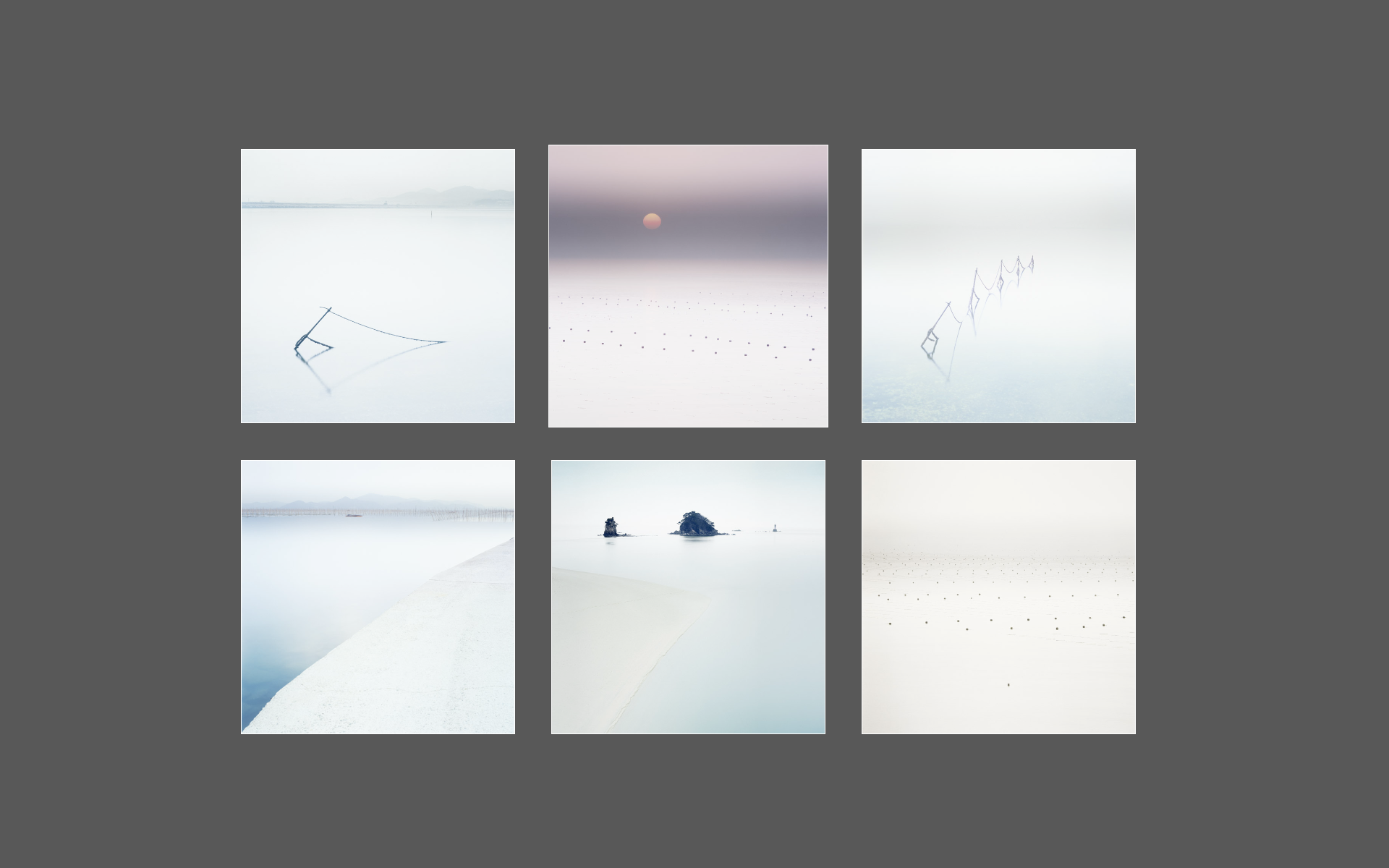
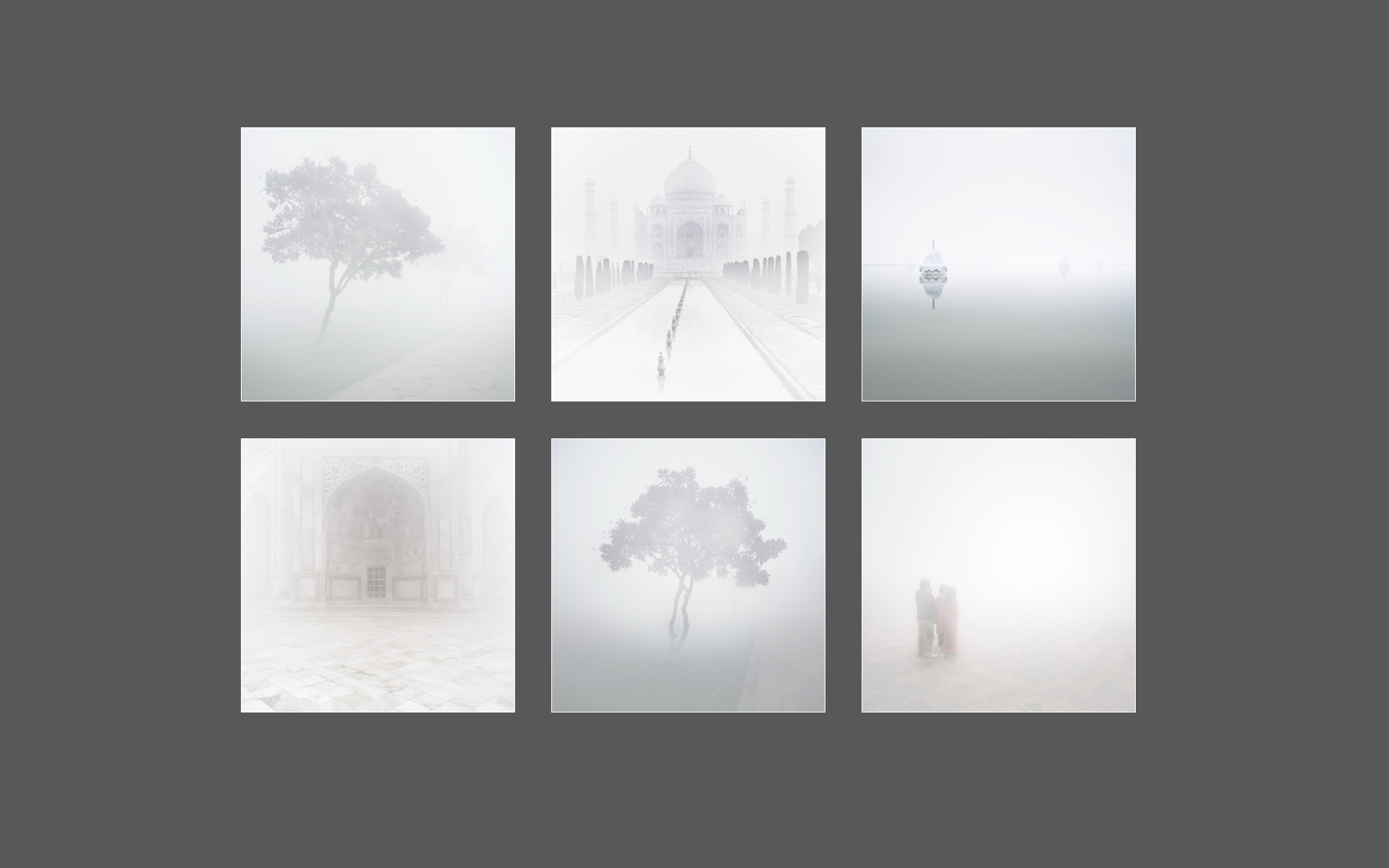
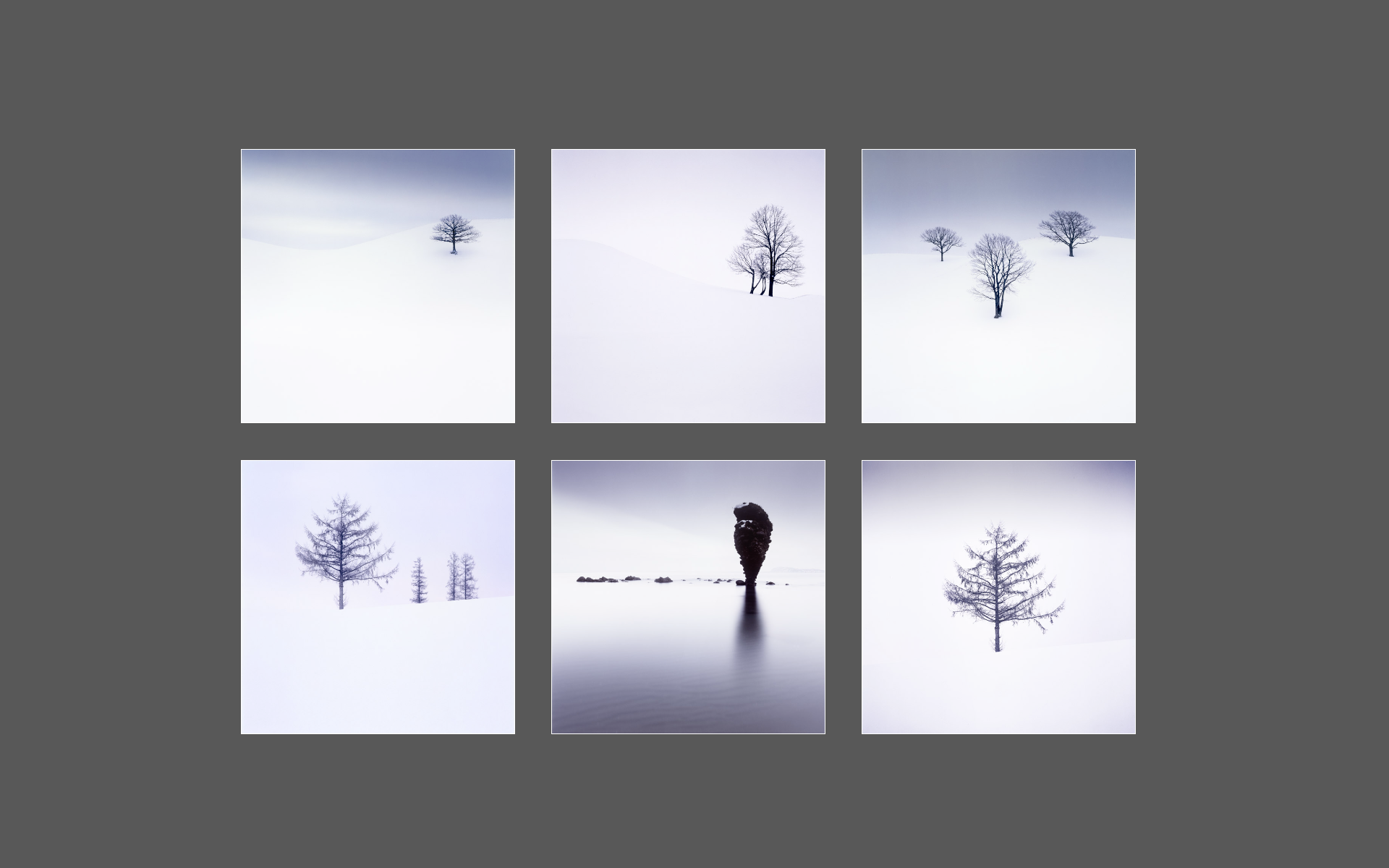
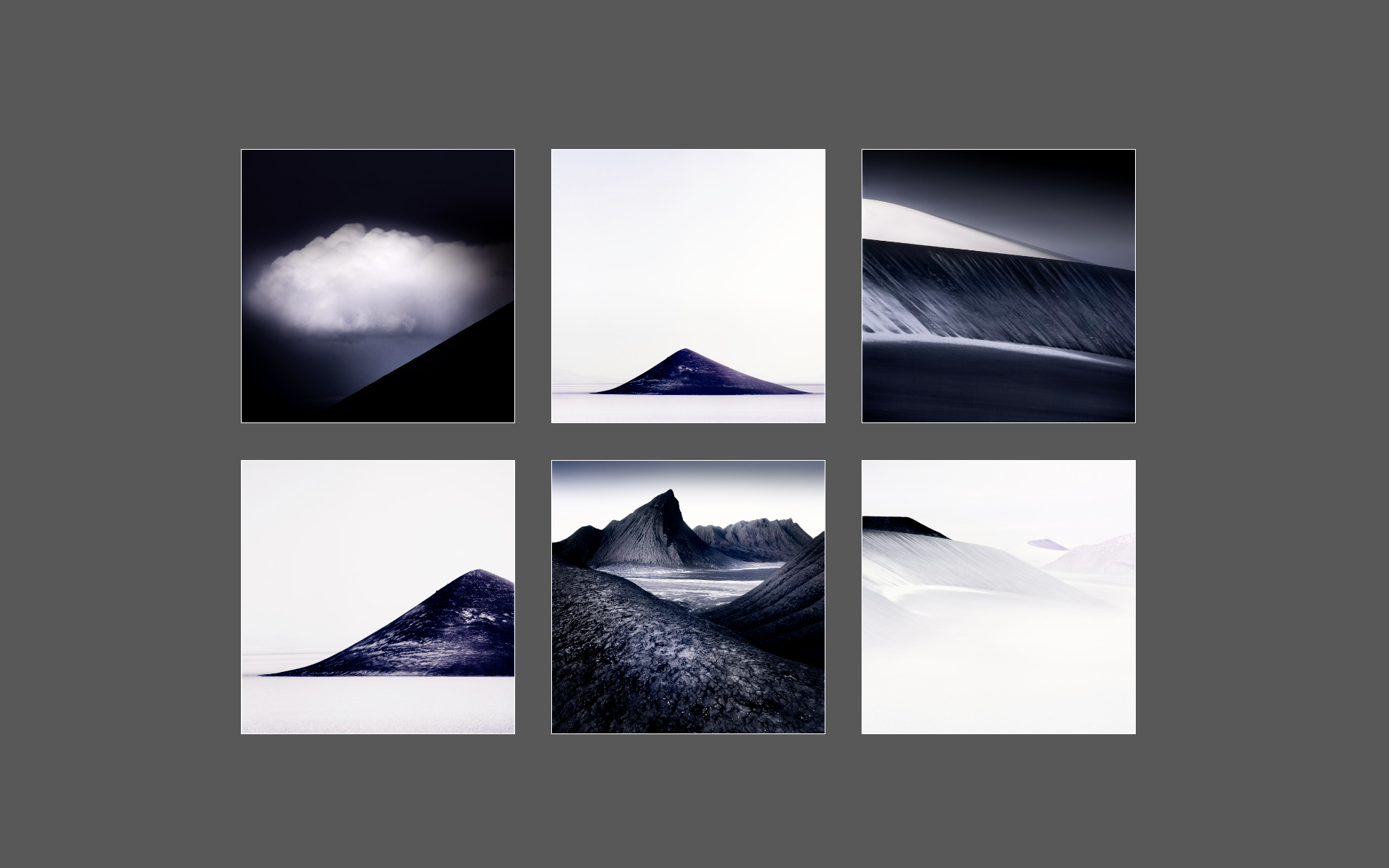
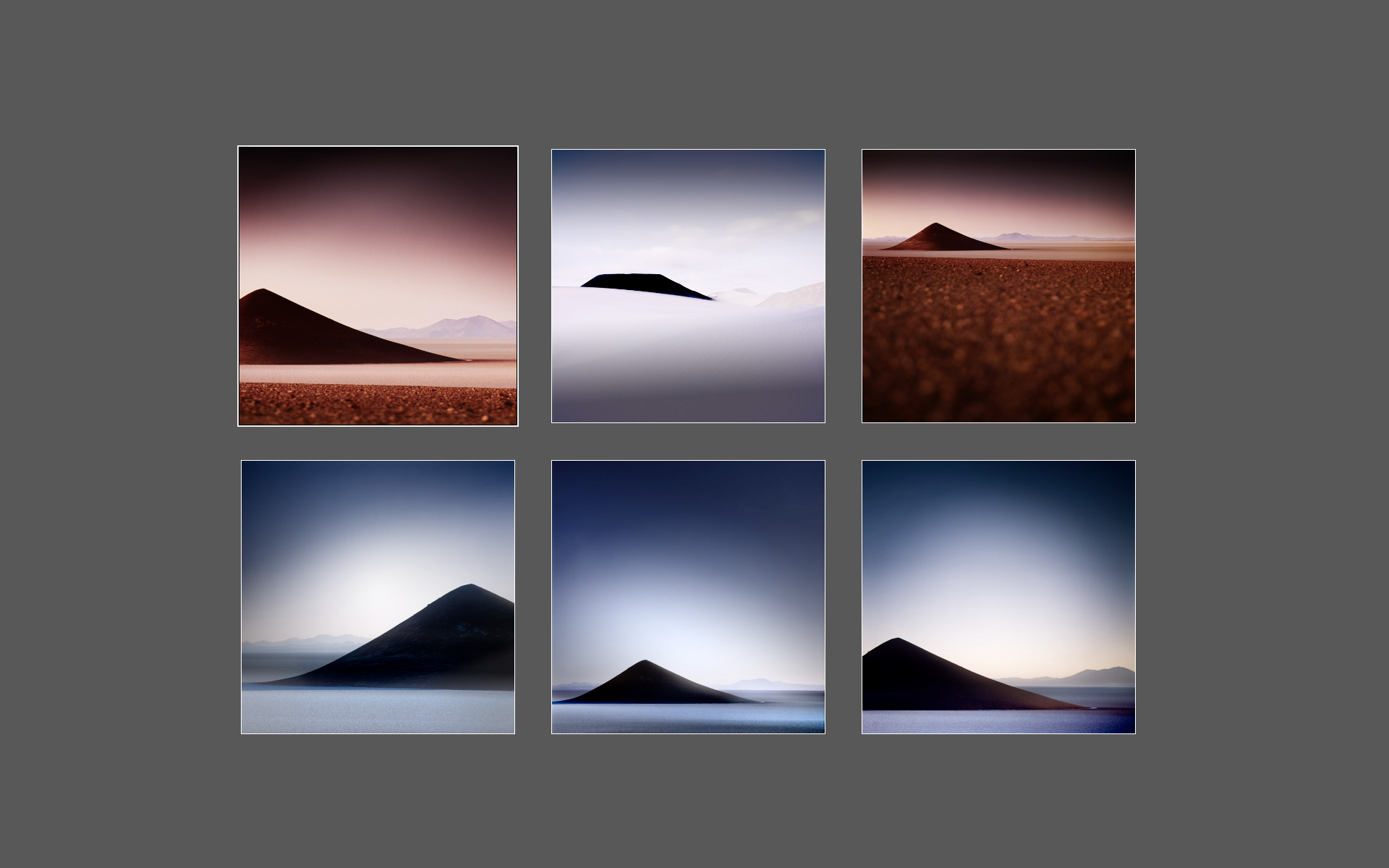
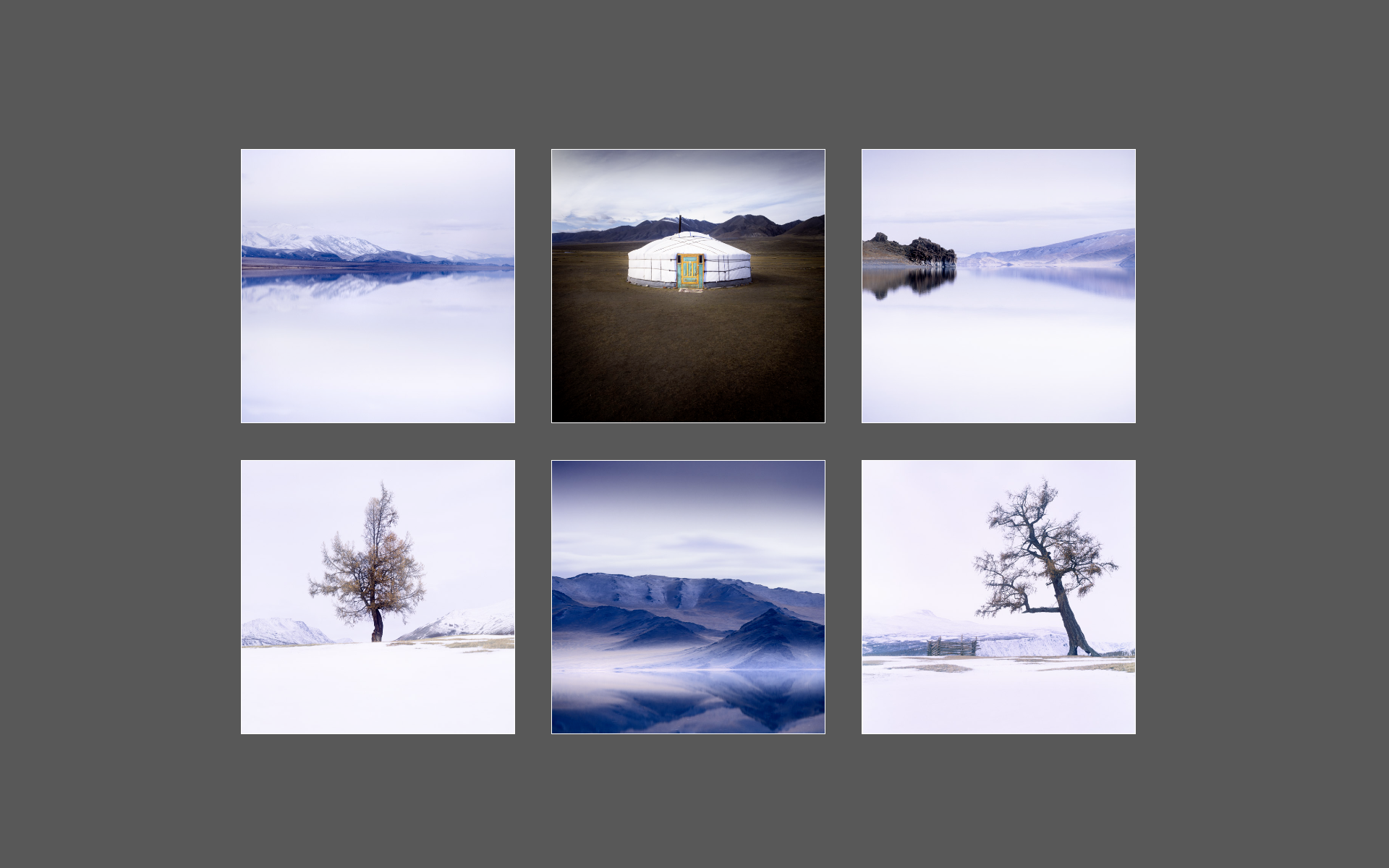
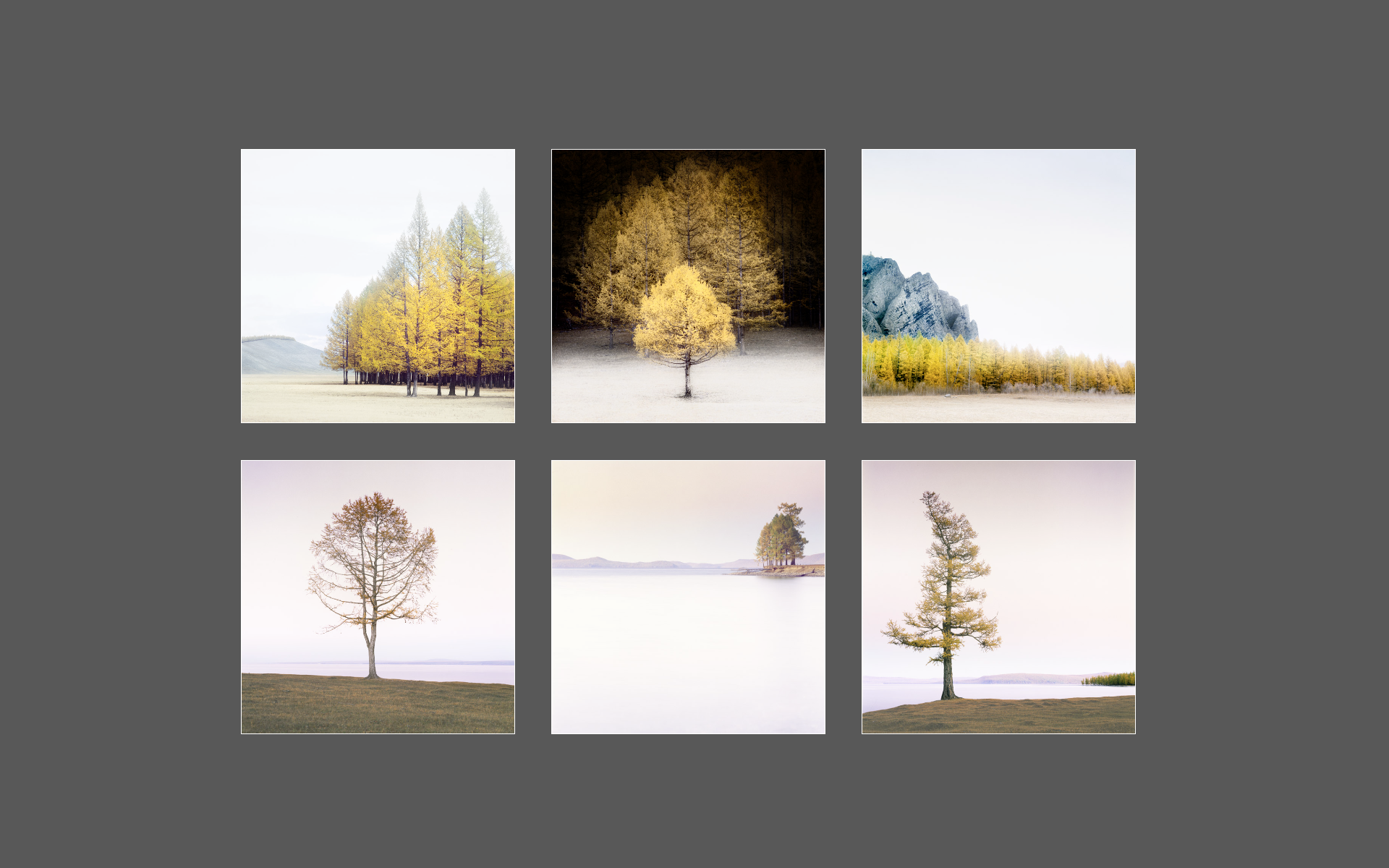
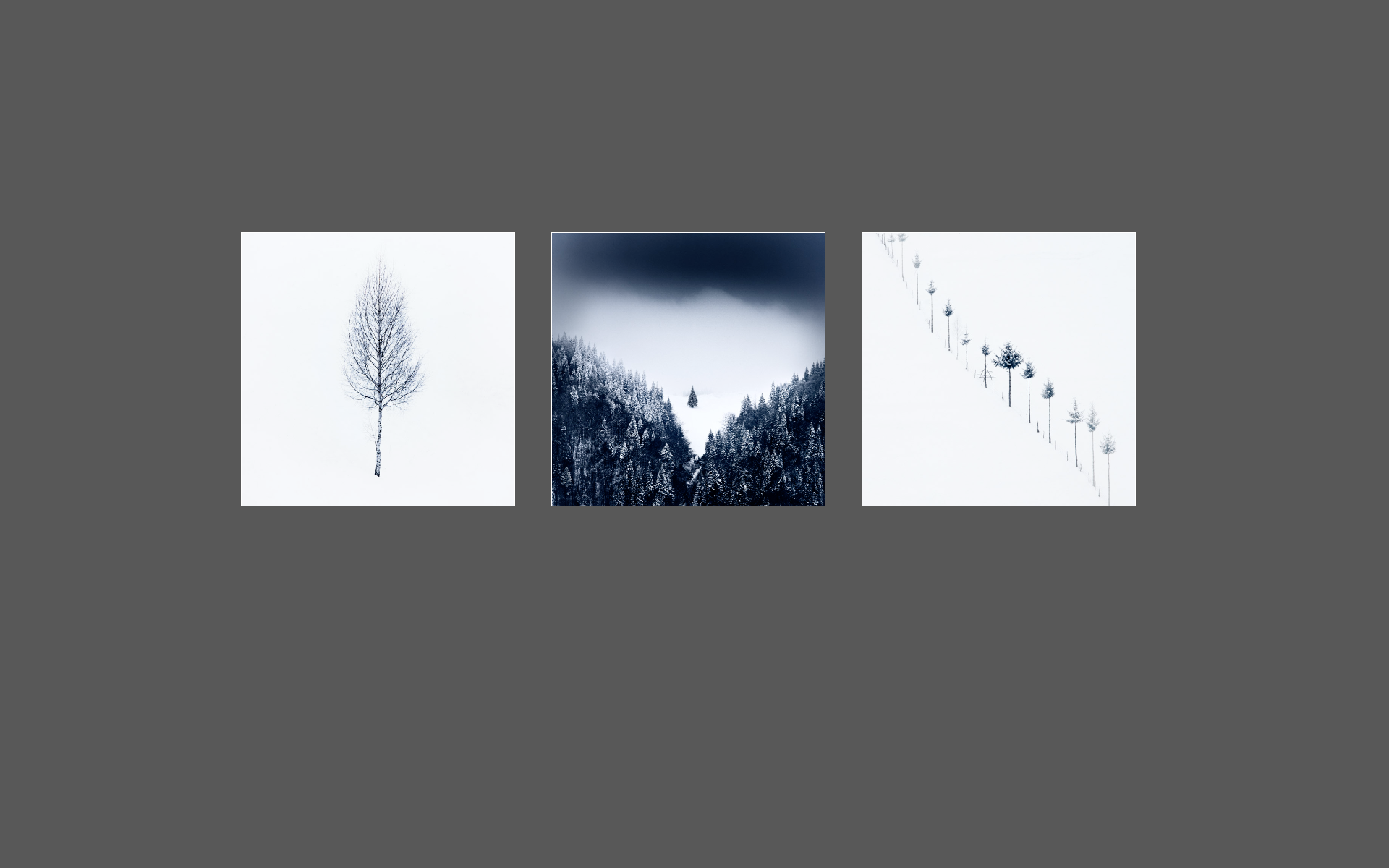
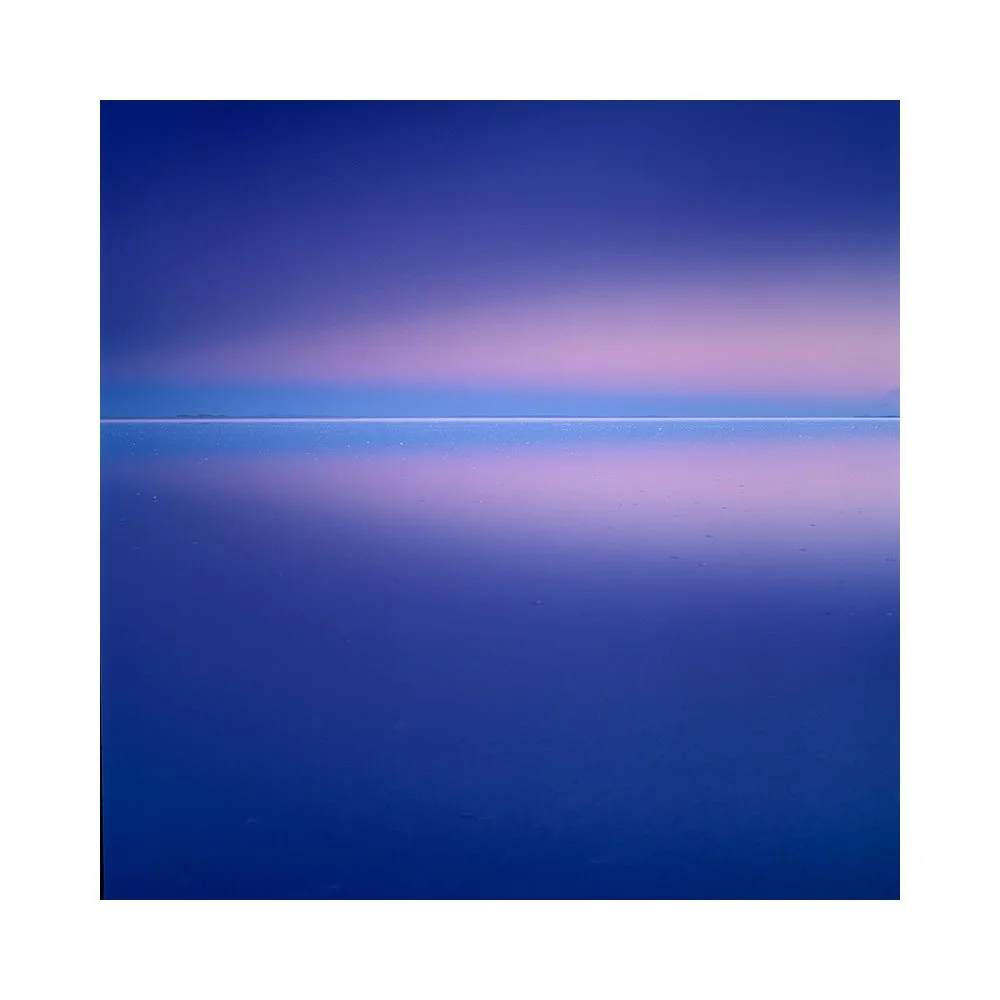
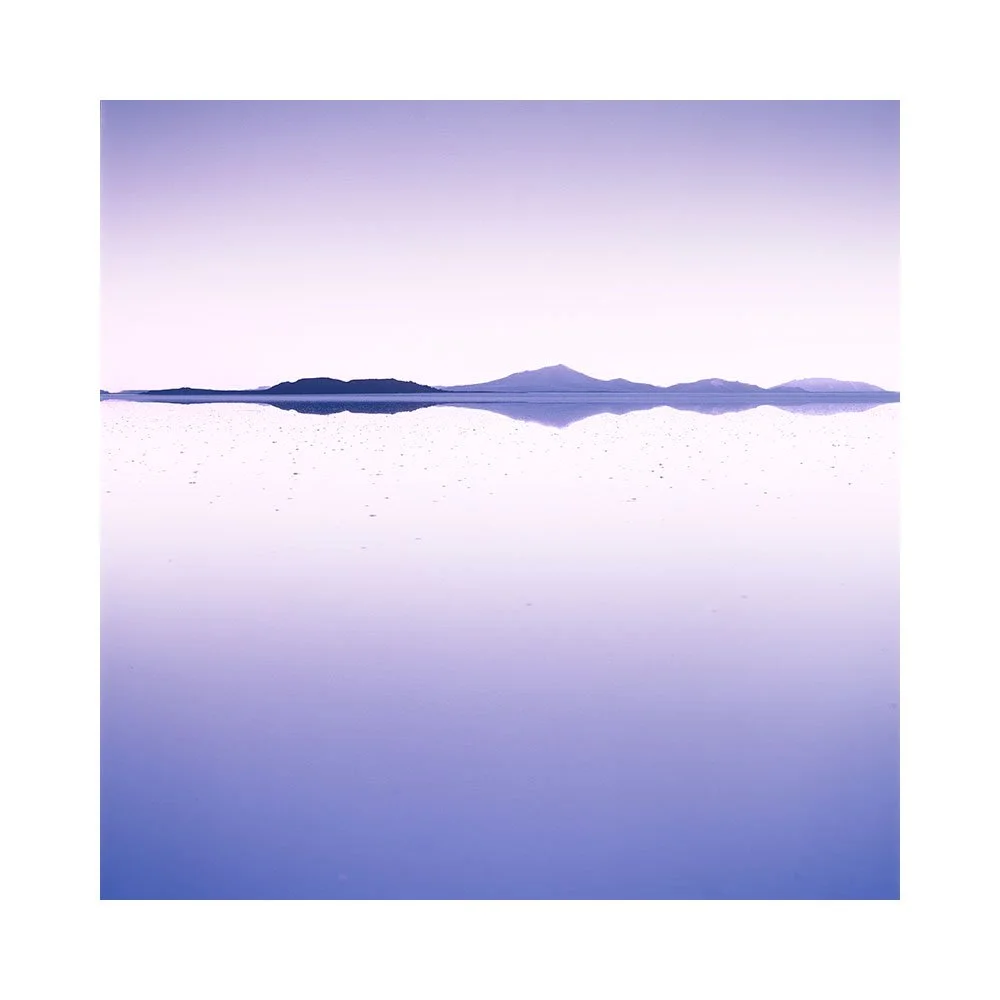
In addition, the photographs they show you, should be an indication of what you’re going to shoot. If you like minimalism, then the workshop leaders work should show this. Choosing a photographer because you like their work and think it’s representative of what you will see and photograph is key.
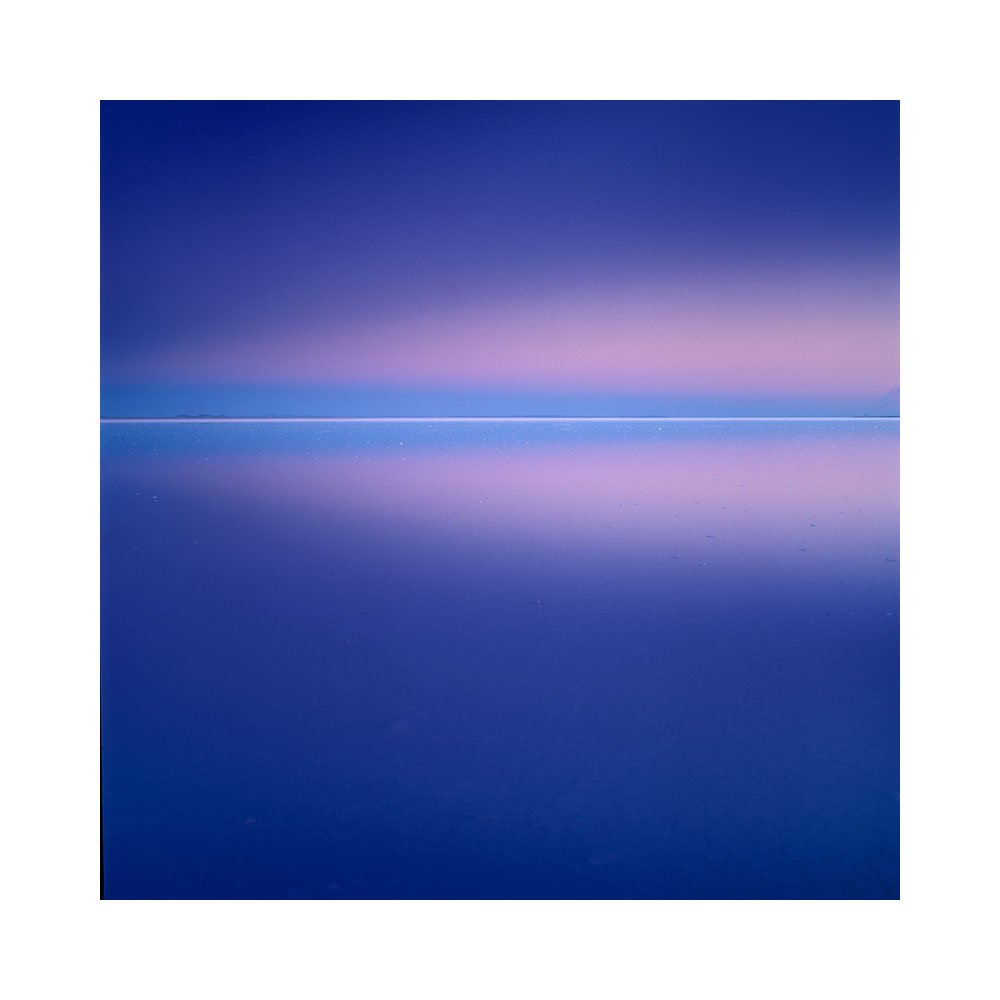
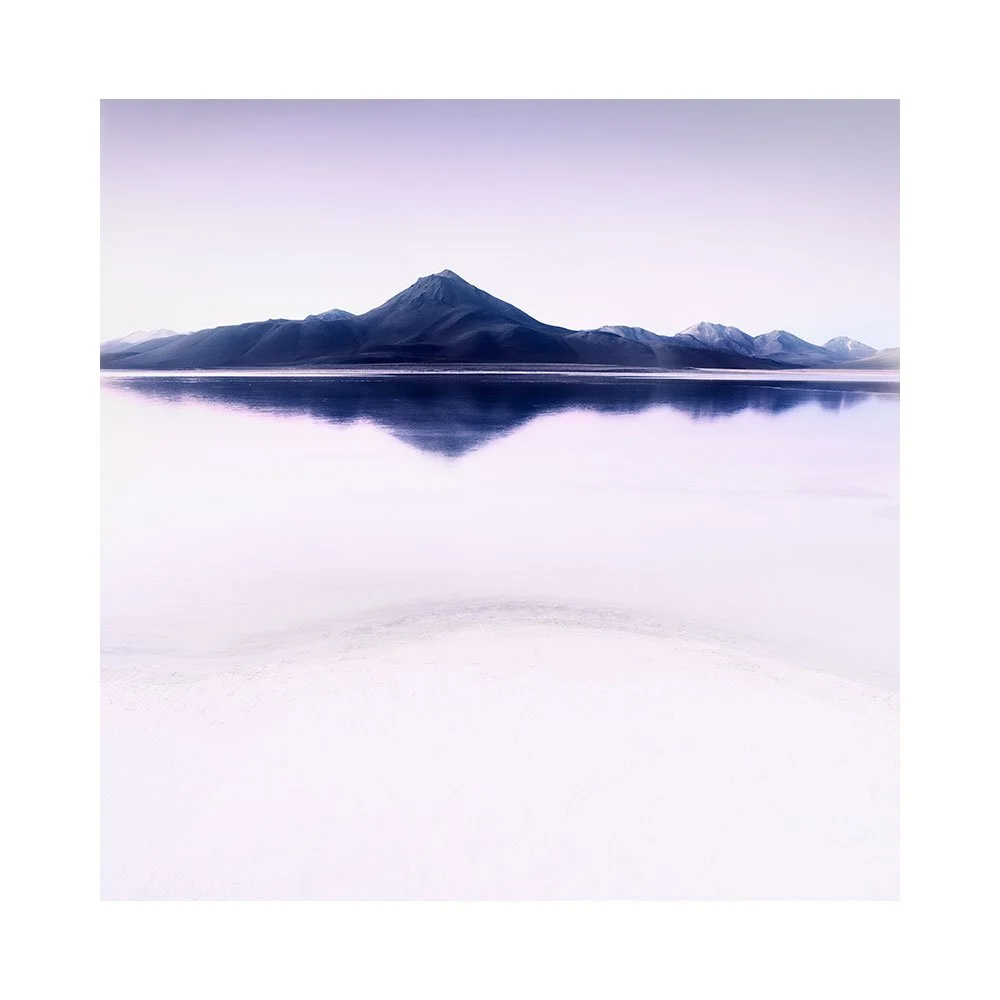
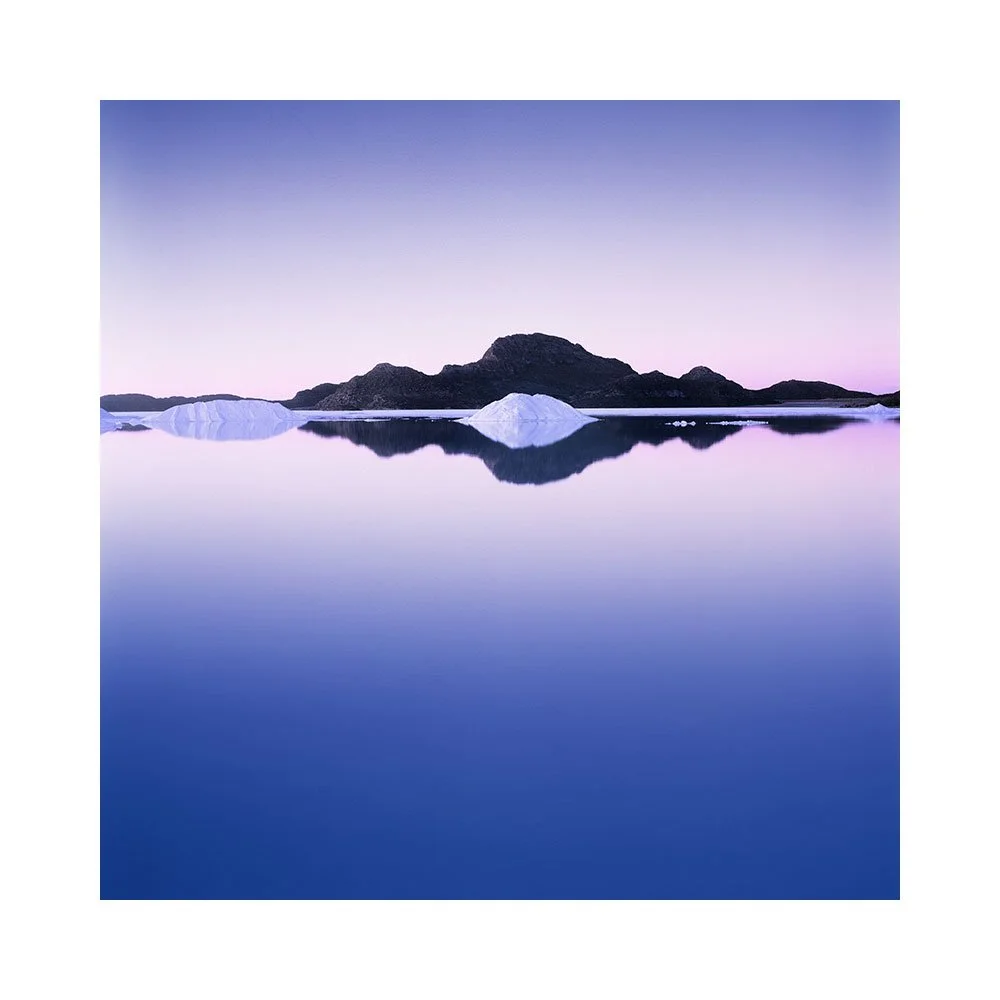
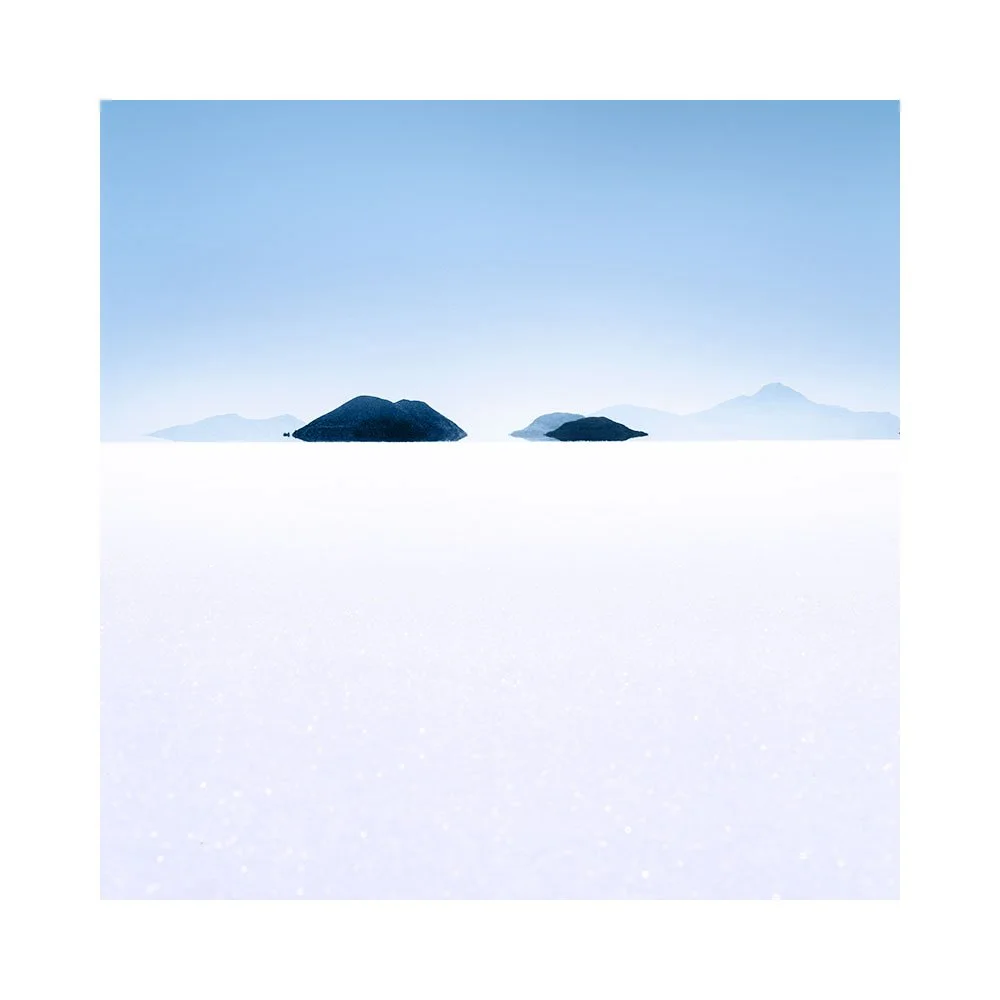
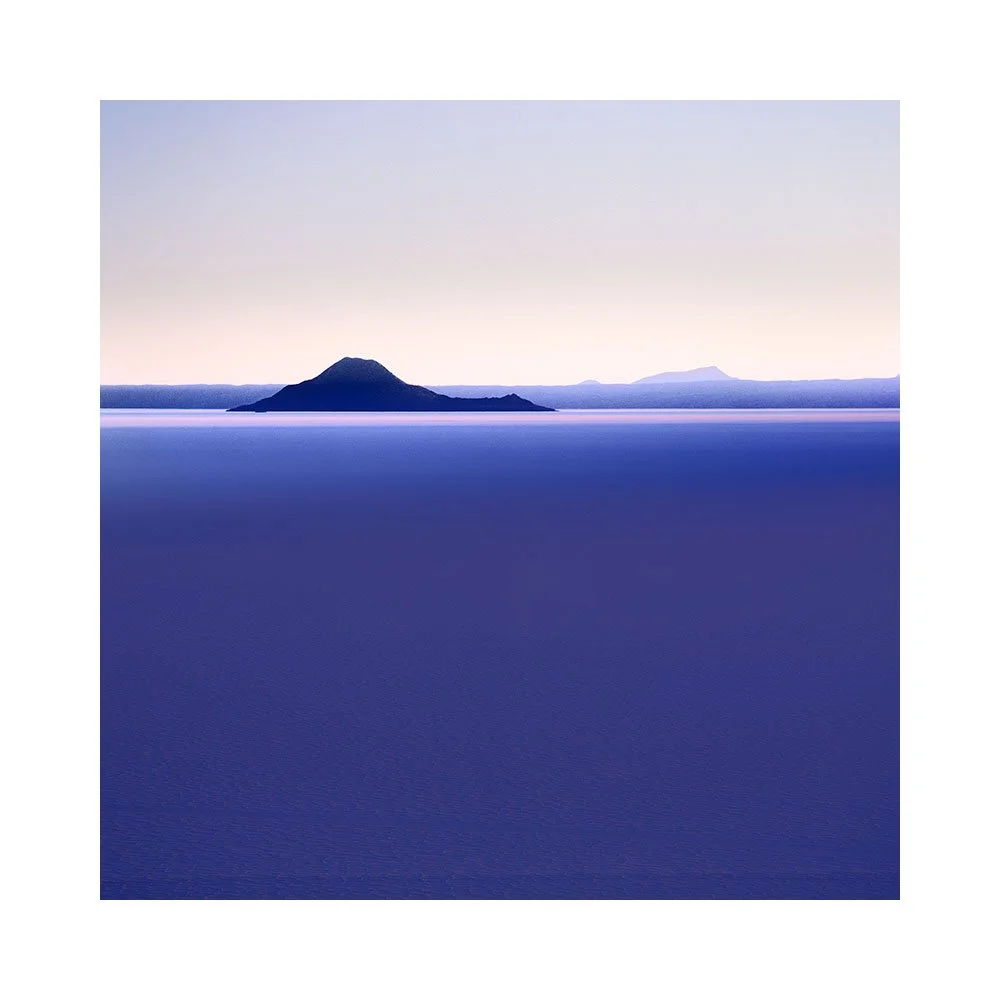
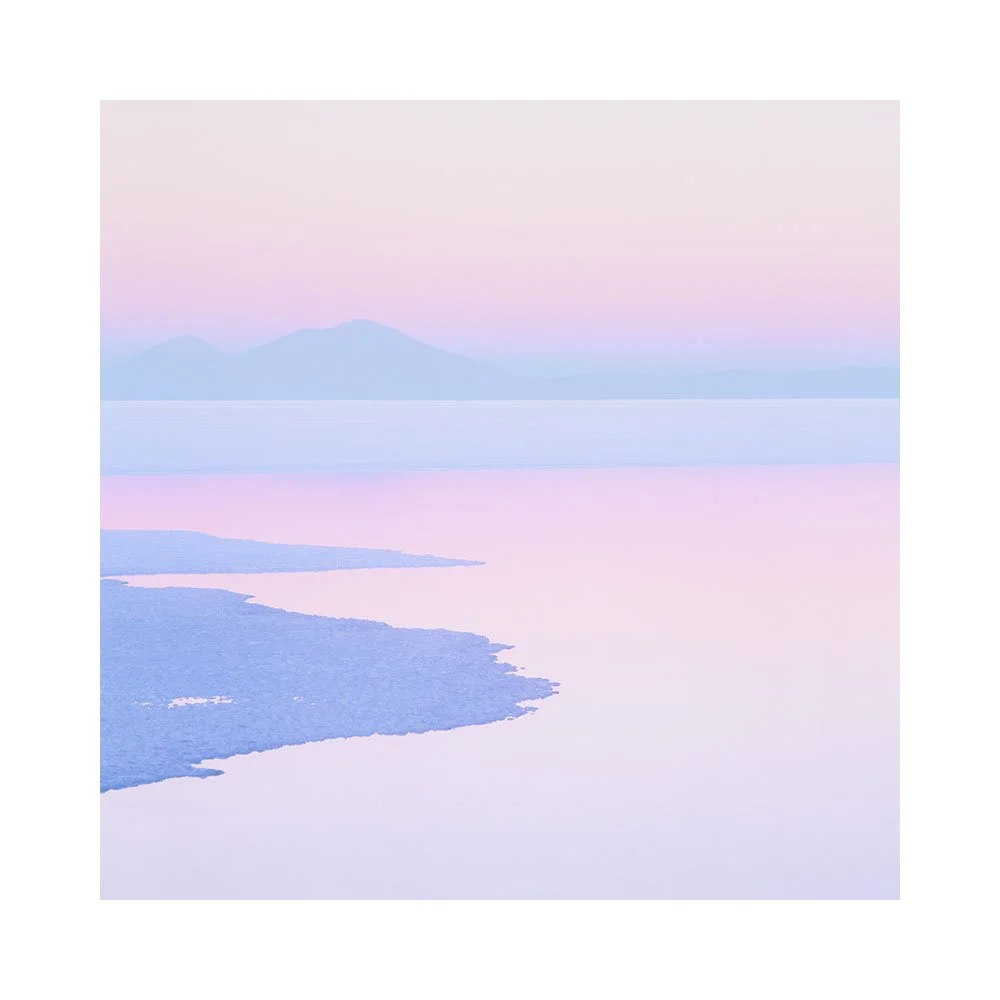
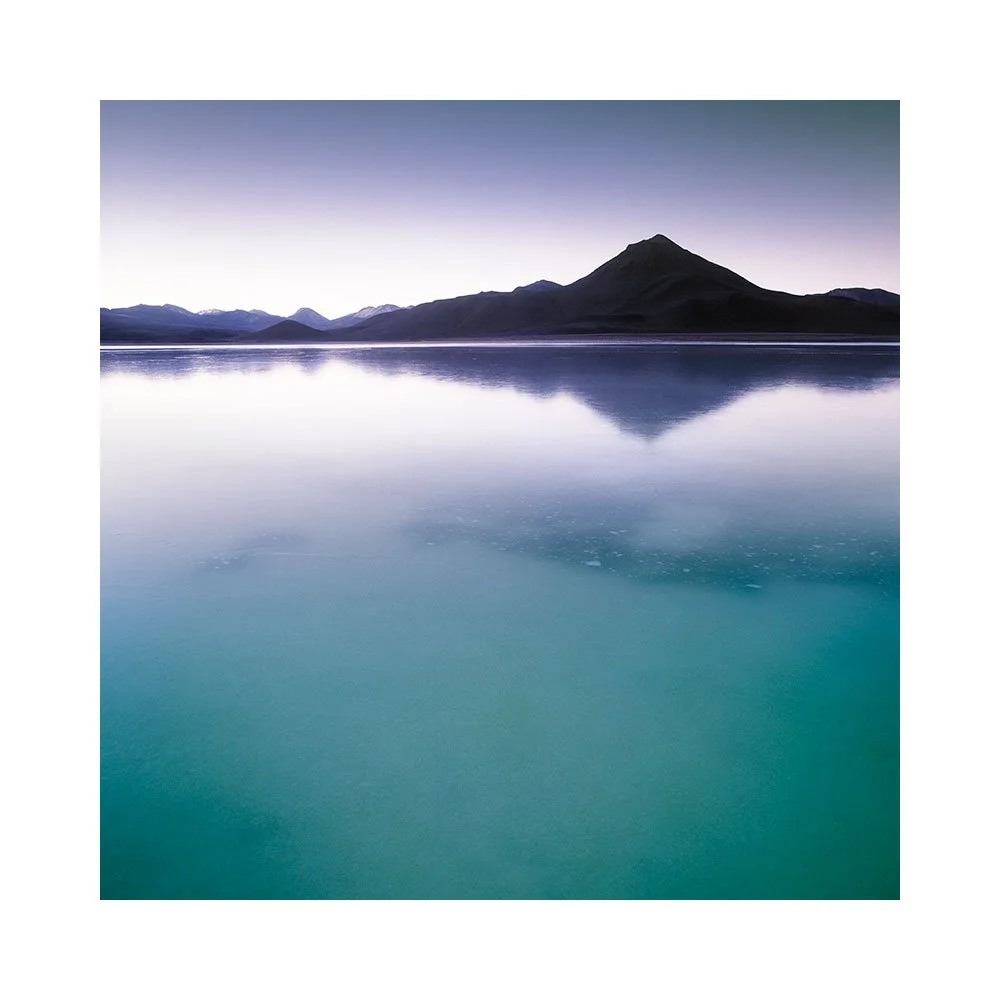
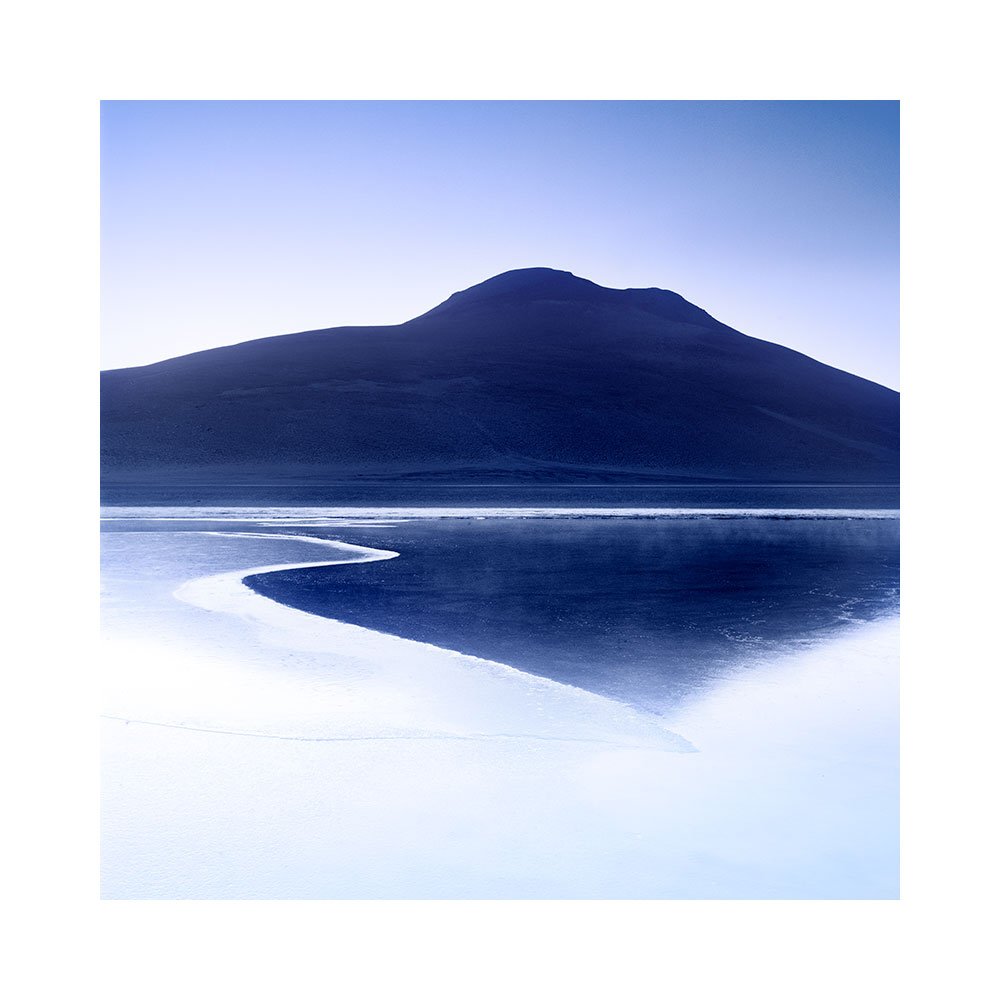
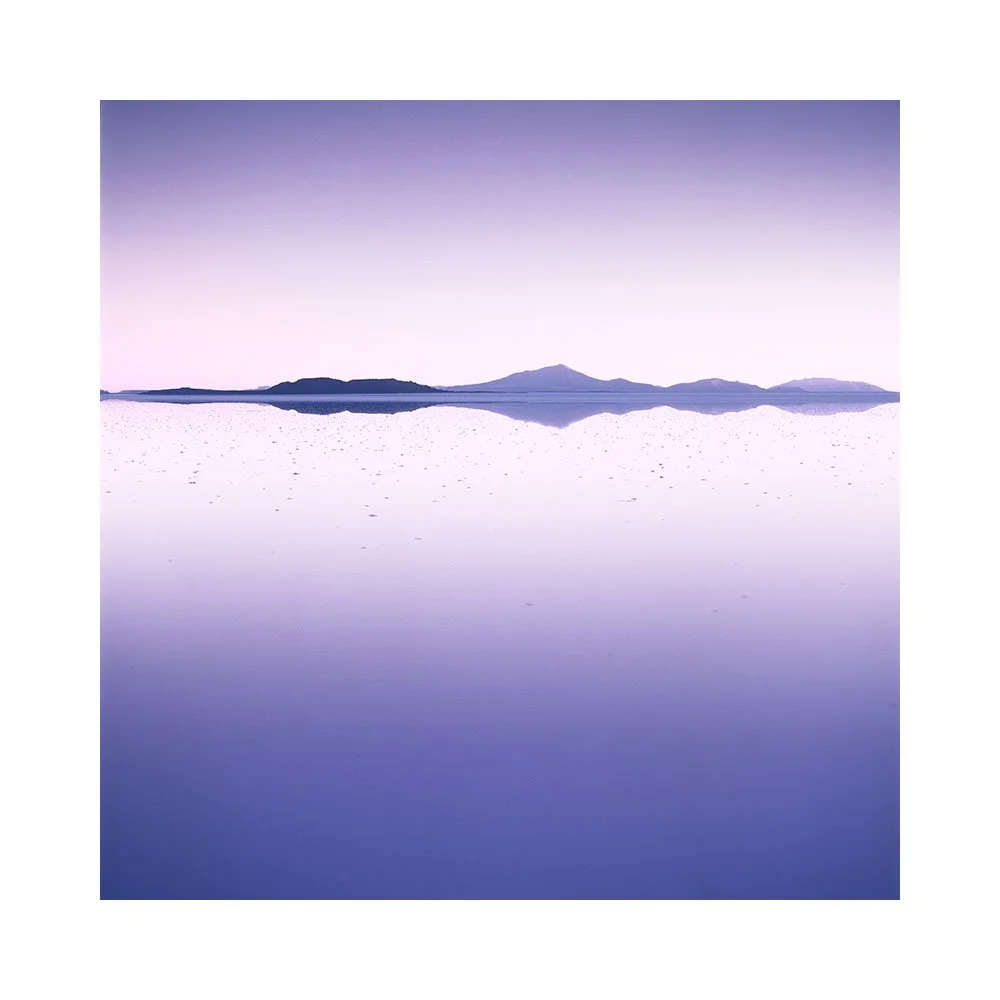
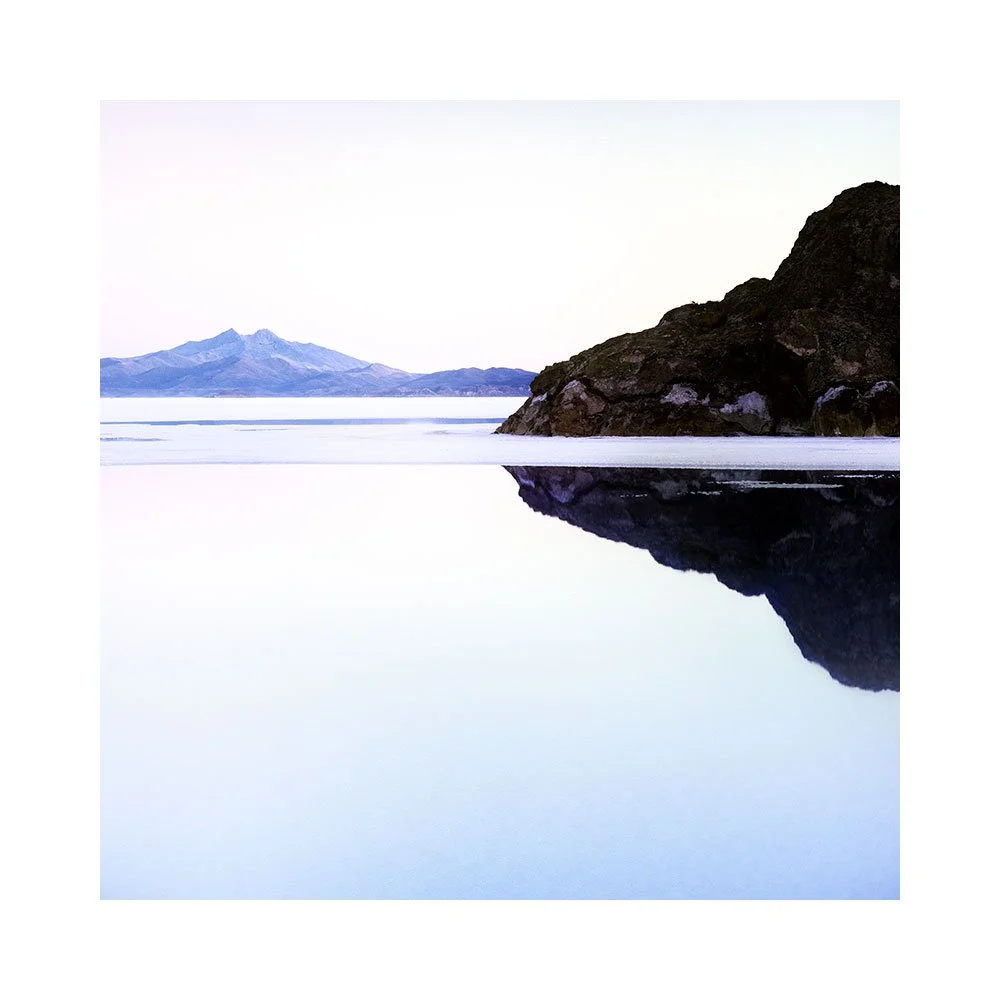
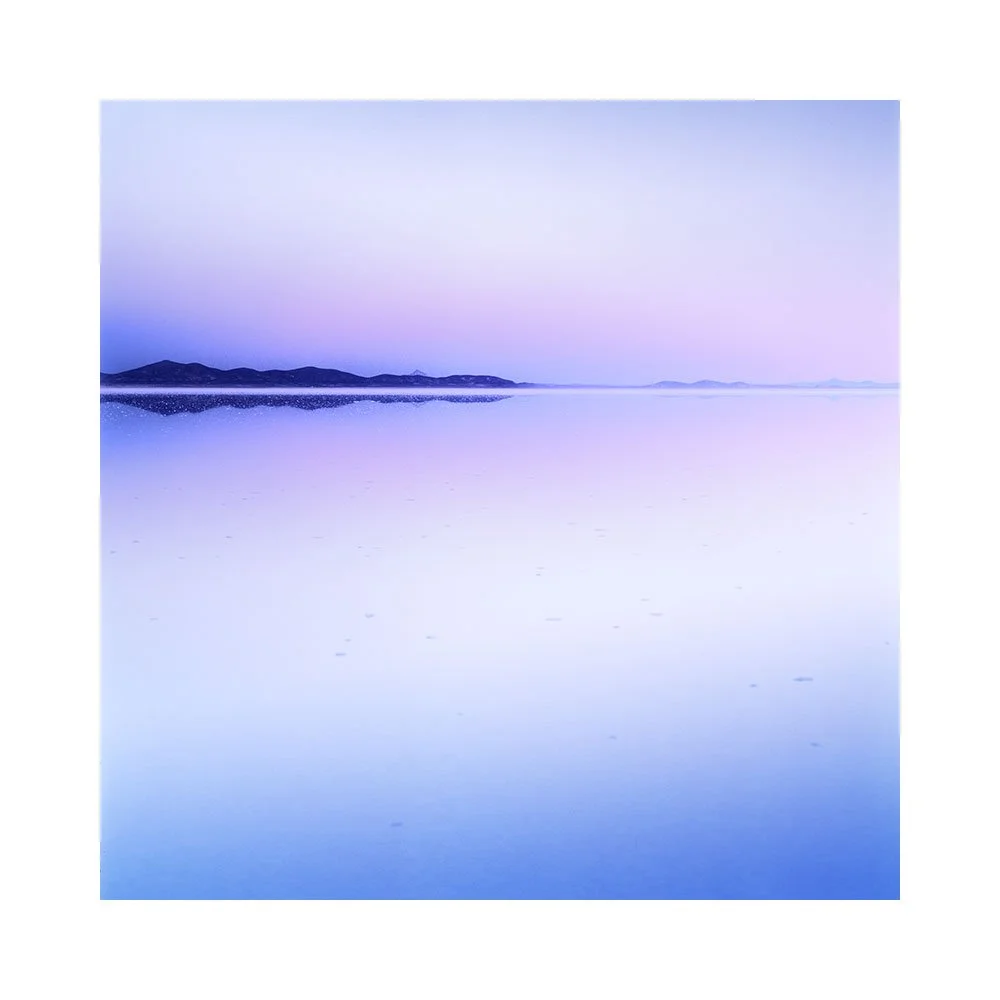
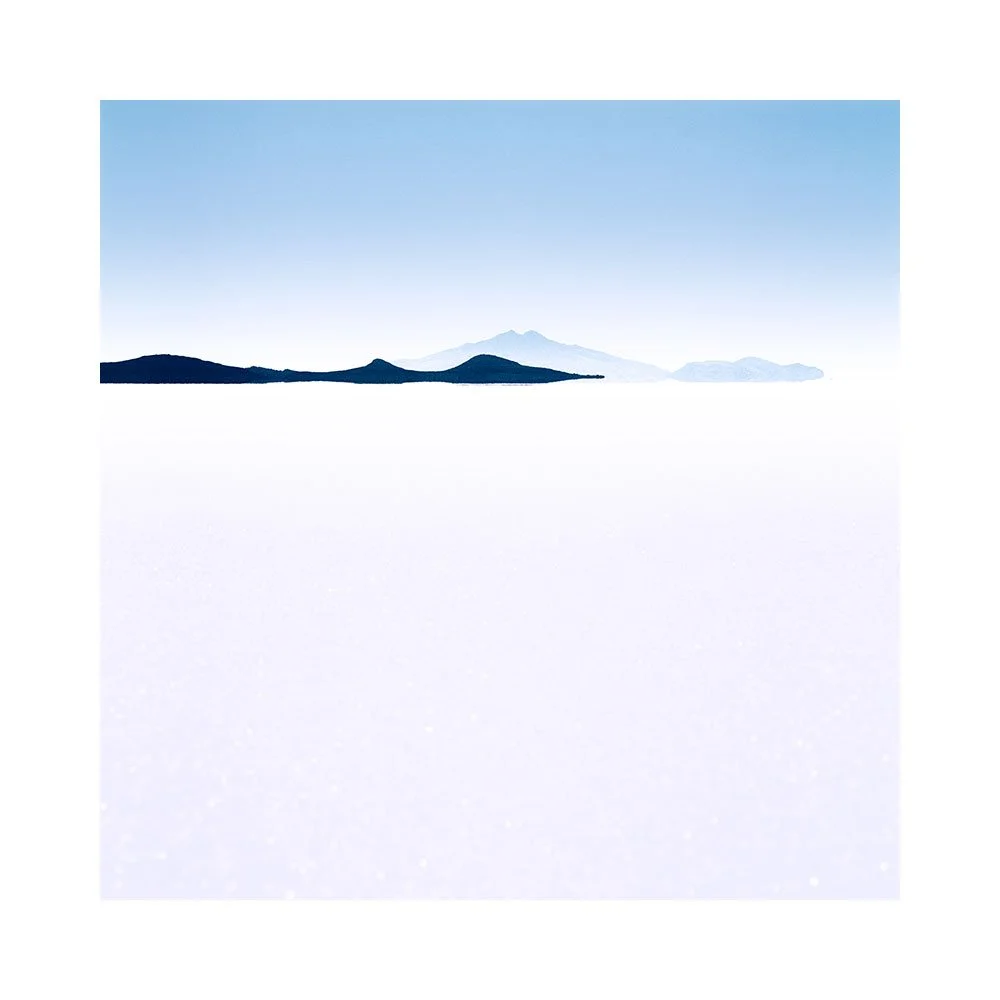
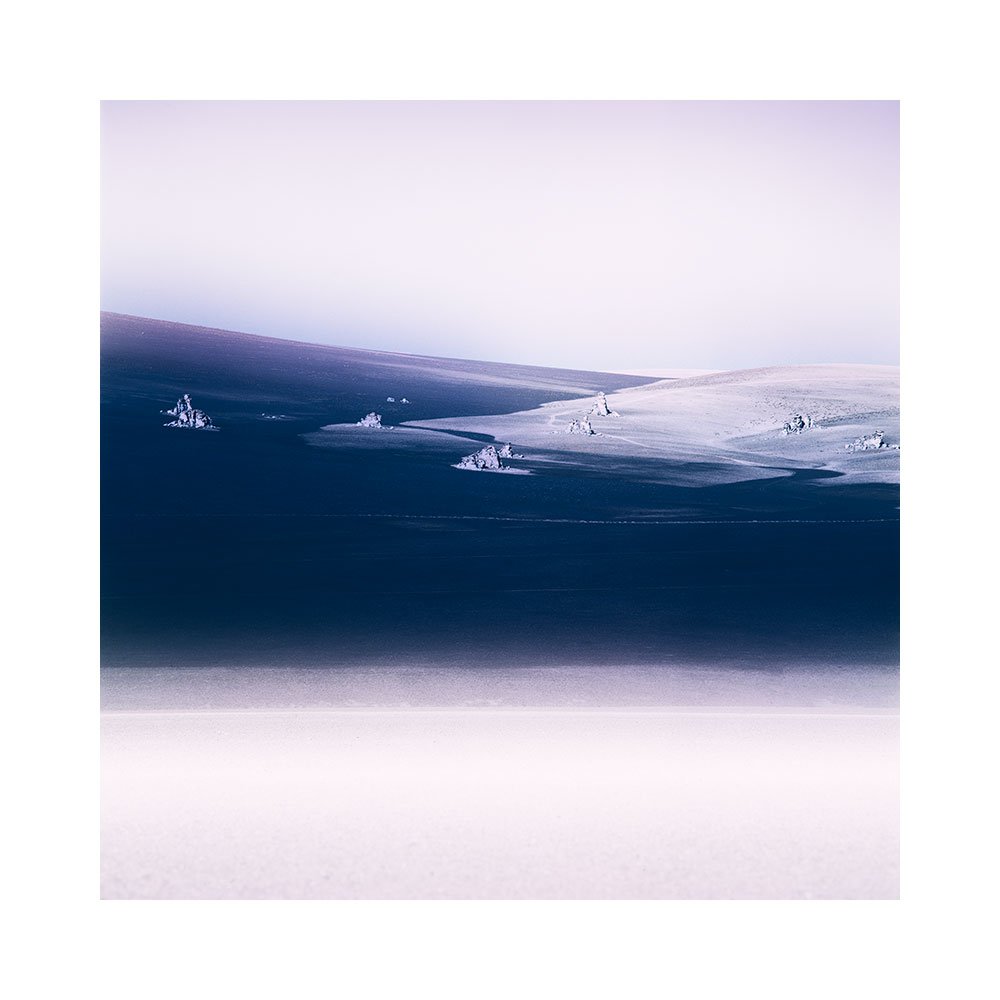
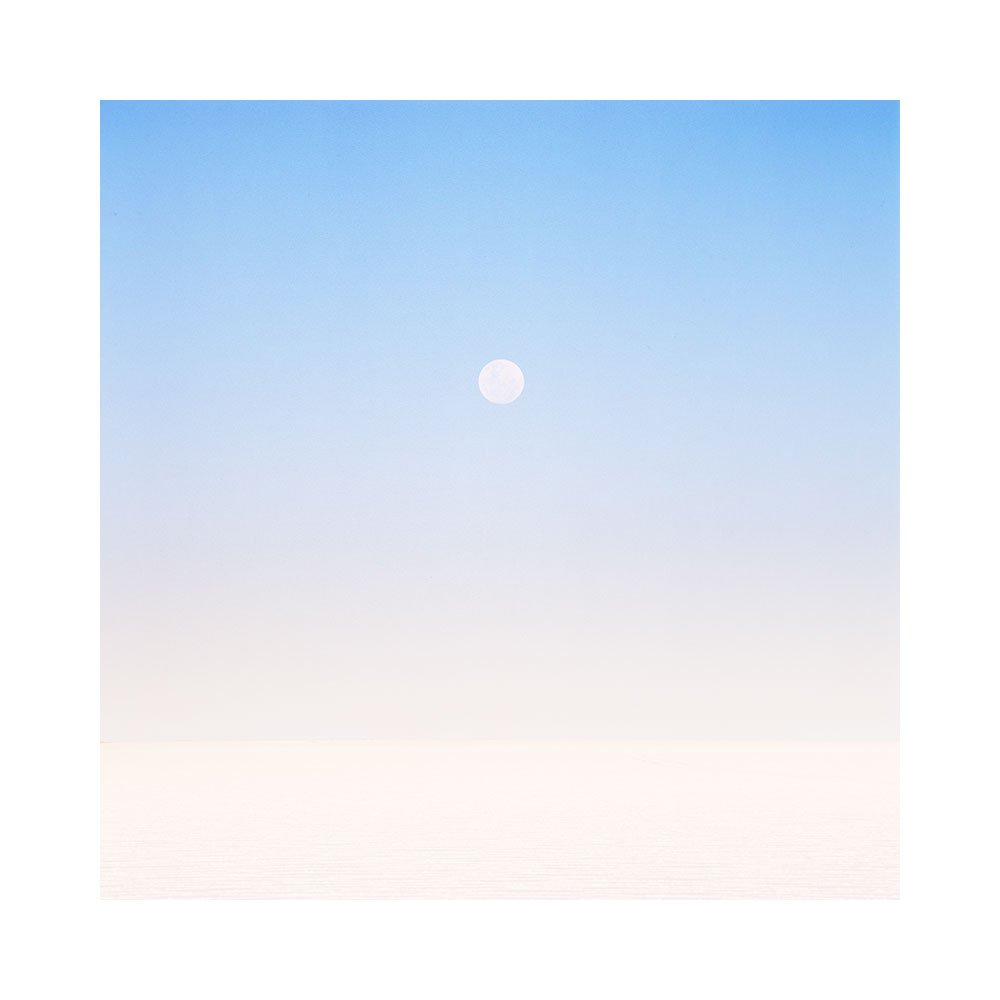
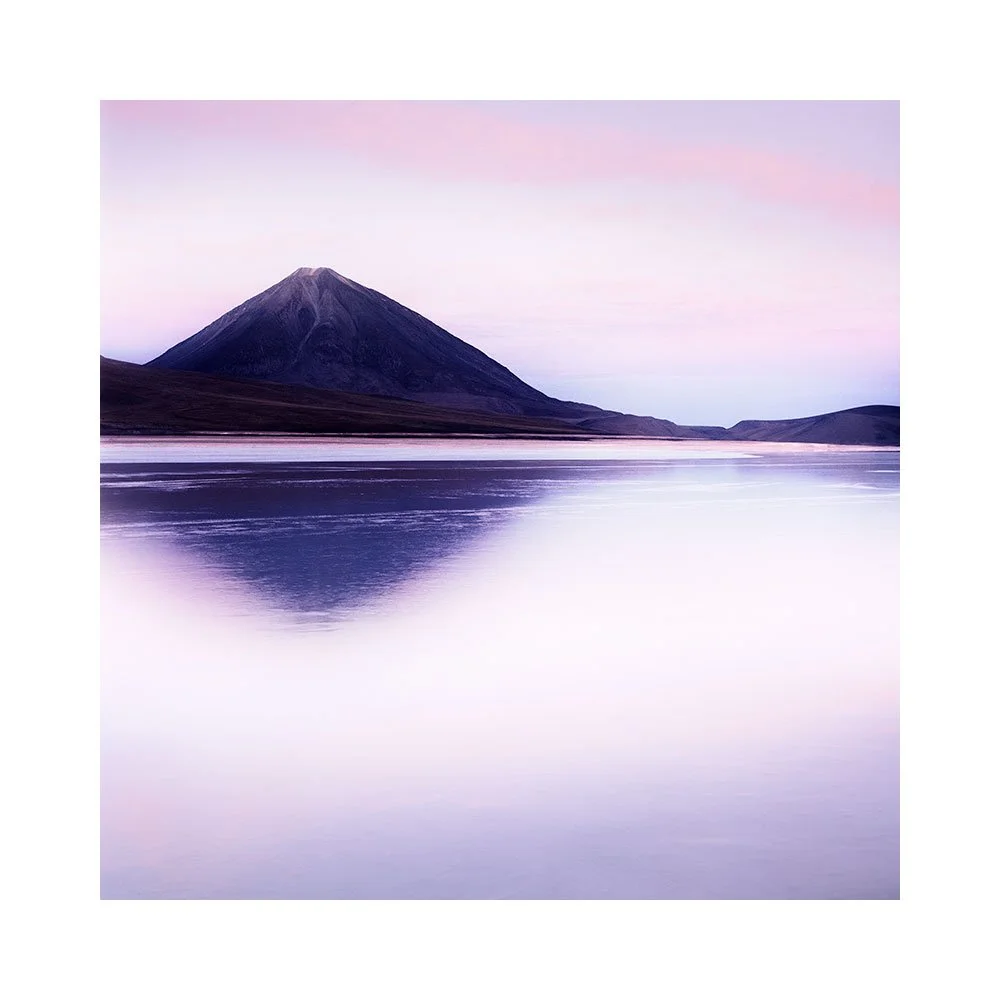
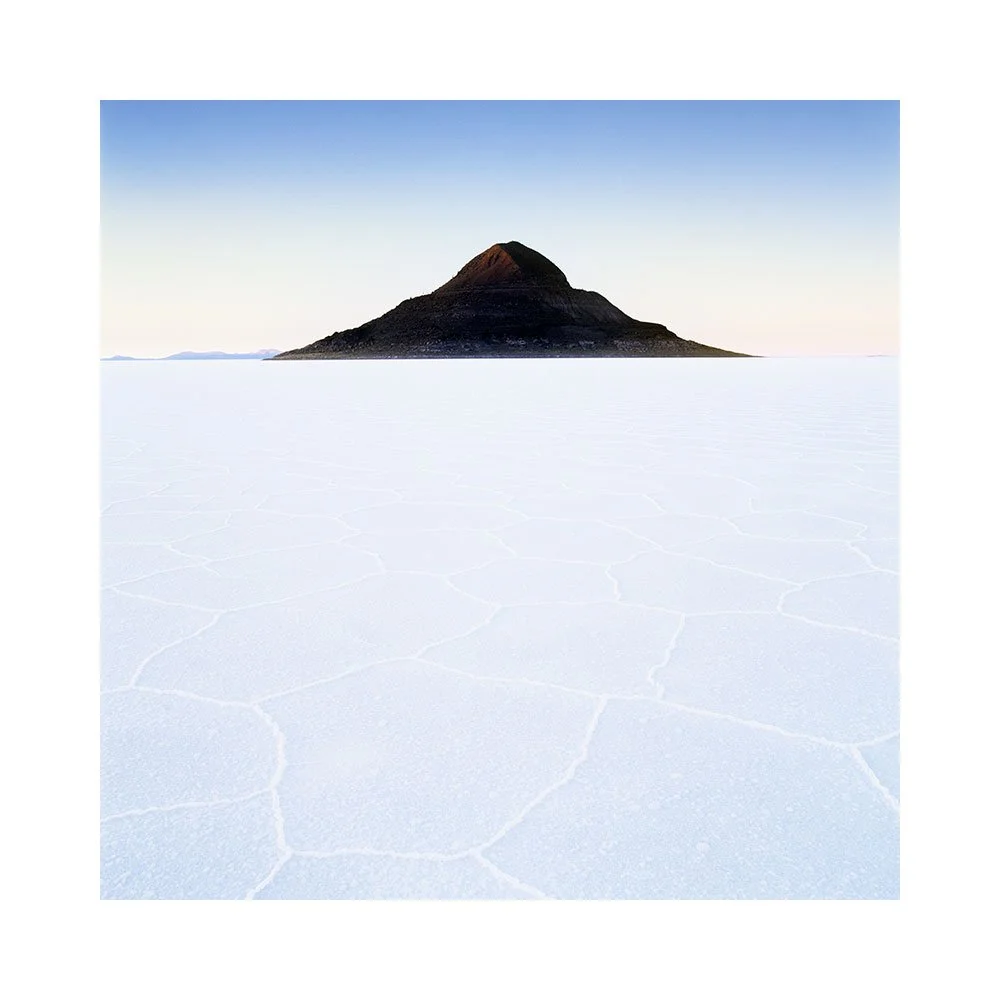
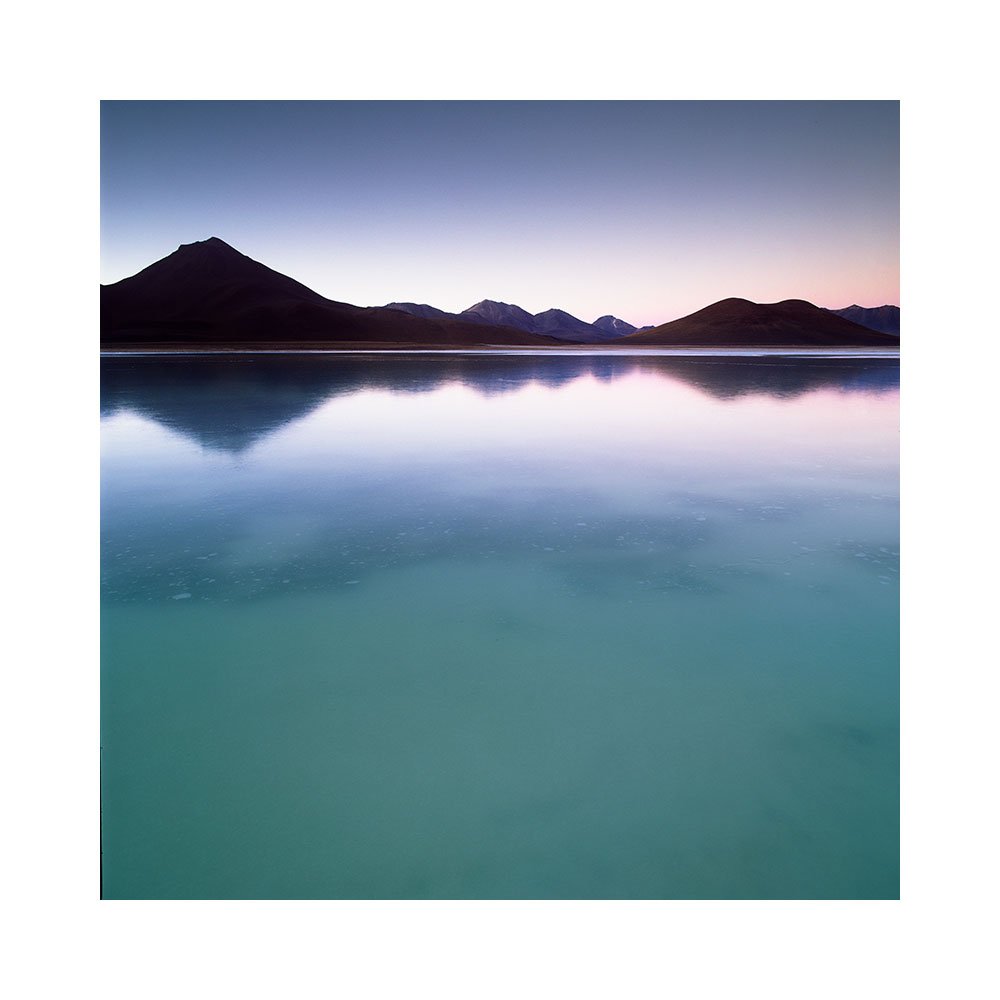
So in essence : the workshop / tour leader should have an intimate knowledge of the place - experience of shooting there, and of knowing the logistics. If he doesn’t, then he should at least have a guide that knows the place well to help him run the tour. And of course, his images should give you an indication of what you’re going to see and shot. That includes style of photography and locations.
—
In terms of actually running a trip, I’ve learned that it takes a while to figure out how best to run a trip. The obvious one is knowing the landscape well, and knowing what places to take people. But the less obvious points are the logistics. Not every place is easily accessible. Hotels aren’t often in remote areas and the sunrise and sunset do not wait for anyone. Working out a daily schedule to make sure you are on location on time, get decent locations throughout each day, with sufficient time (there is never enough time, but I think around 1 to 2 hours per location is a good yardstick), while also getting sufficient rest, and fed can be a juggling act. It takes experience of the location to make a tour or workshop work very smoothly, and as I say, to work around problems or issues when they come up.
It is also one of the reasons I work with 3rd party tour operators in foreign countries. I essentially have a local with me on the trip, and they often know how to fix a problem when one is encountered, or who to contact if they don’t.
Building up relationships with the hotels, with the guides I use is also paramount. Learning to understand how they work, and respecting their experience and knowledge is key. This is why I like to keep working with the same guides and drivers when I can.