
I have long considered the editing stage to be just as creatively important as the capture stage. For those of you who have been following me for a long while, you know that I like to work in the digital editing domain much like a traditional black and white printer would in the darkroom: I like to dodge and burn the images to bring about my own visual aesthetic.
I also use these techniques to help lead the eye around the frame and to enhance the main subject, while maybe trying to subdue less important areas of the scene.
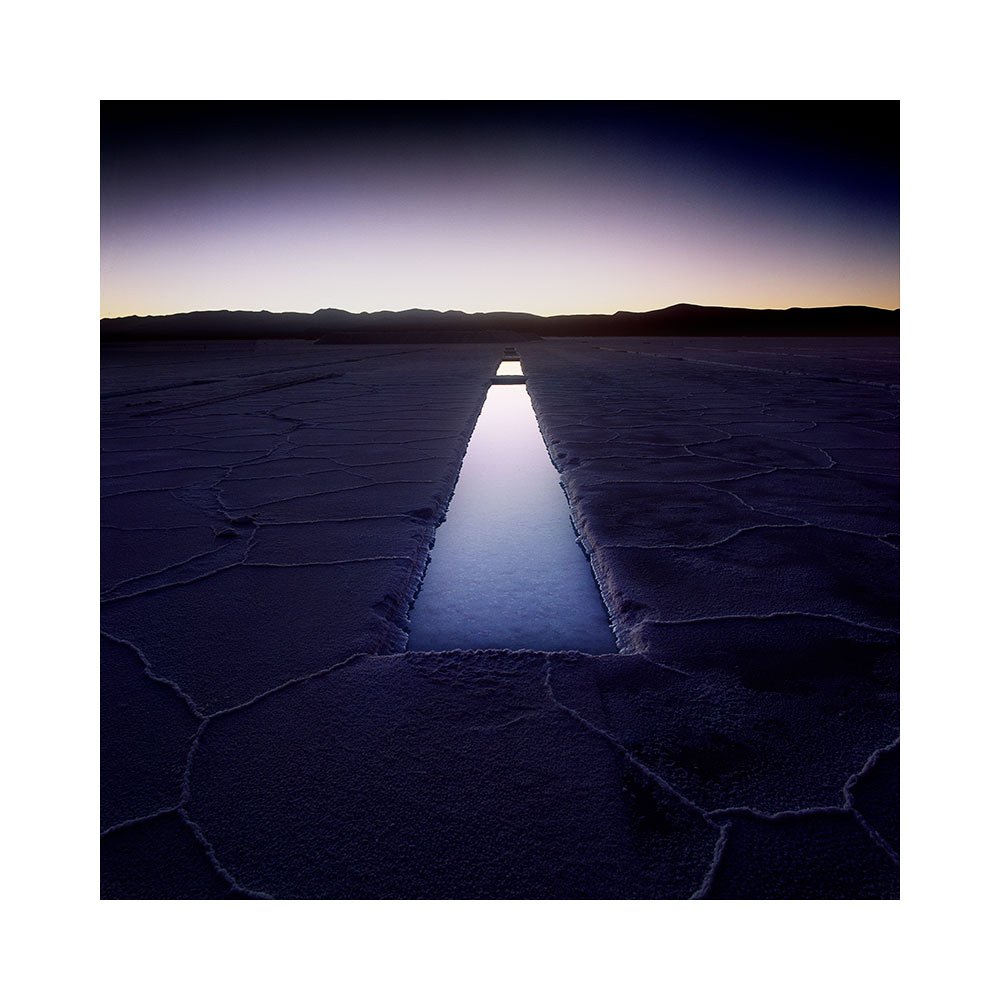
In my view, most folks focus their attention on the capture stage and have the belief that this is where the majority of their improvement in photography will be made.
I have long held the view that editing is not cheating and that it is a creative area where we have more of a chance to express our own unique vision. But perhaps more importantly, it’s where we learn about what works and does not in our compositions. Editing is much like working on a puzzle: as we work through the edit, we are learning how the image is constructed and how it fits together. And more importantly, where it doesn’t work and why it doesn’t work.
Paying attention to the things that don’t work is important. But there’s a tendency to reject and discard failed images without asking oneself ‘why’ they didn’t work.
Editing teaches us to find good source material. By that, I mean good compositions. Scenes where the tones do not clash. Scenes where the edits will ‘flow’. Bad compositions tend to make one struggle to work with them when editing: If the source is broken, then you cannot repair it. Get the source right, and everything else will fall into place. But one can only learn what kinds of source images work best while trying to edit them.
So editing is a skill that needs to be learned, and it is just as important as our fieldwork.
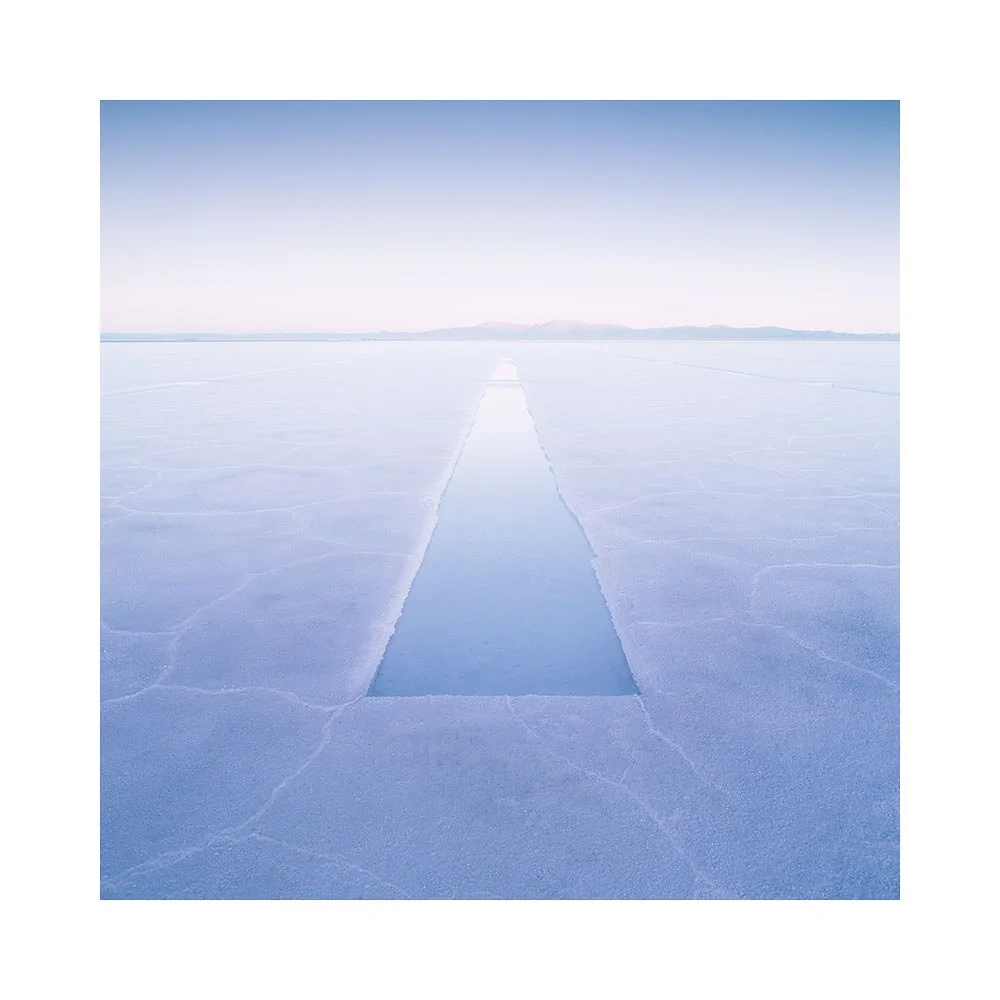
However, editing is a skill that cannot be learned overnight. Or within six months or a year. Much like we are never finished learning to compose out in the field, we are never finished learning to edit.
It is a continual move forward with improving one’s eye. Because if one cannot ‘see’, then one cannot edit well.
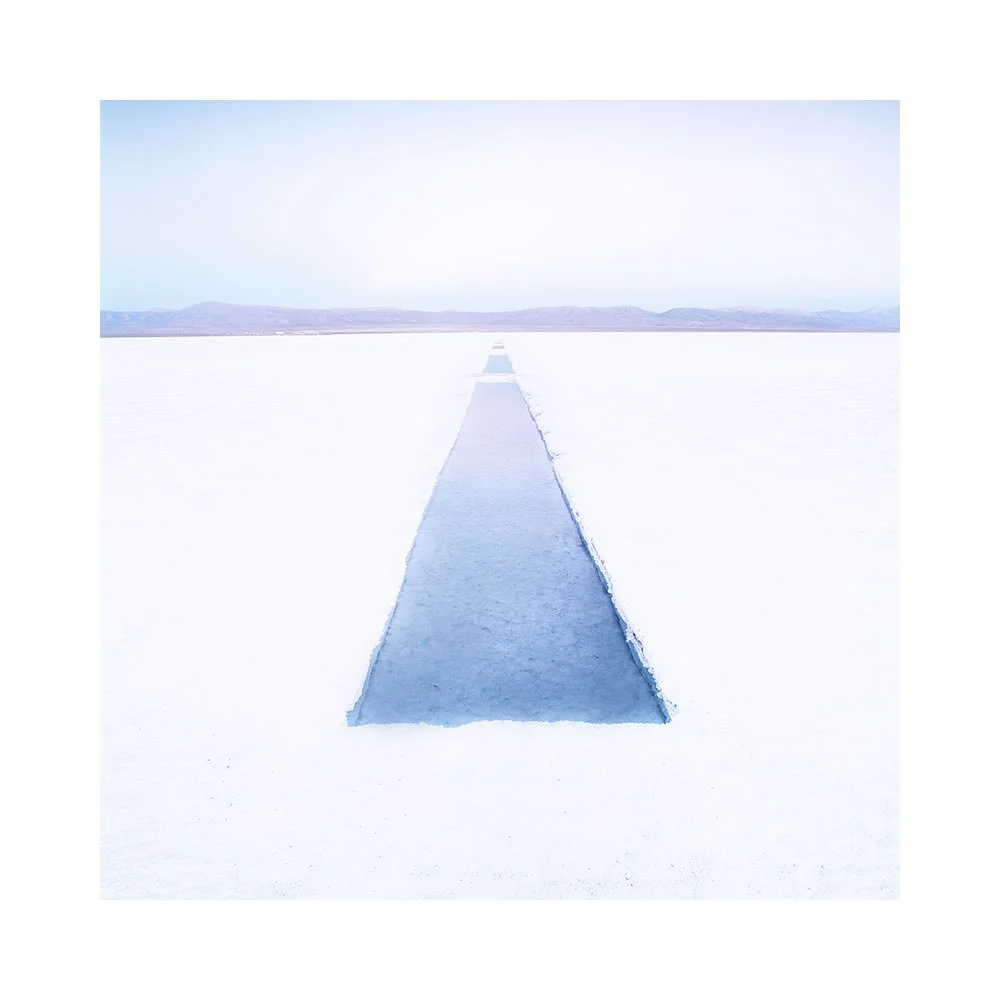
Boundaries are important. If you do not know you have boundaries, then my suggestion is that you haven’t pushed your work far enough yet. Everyone has boundaries, and if one is not aware of them, it’s because you haven’t found them yet, and you are more likely working in safe, familiar ground all the time.
To me, one of the biggest skills I have had to learn, is ‘how far I can push the edit’. It’s like stretching a muscle you didn’t know you have. Most of us don’t know what the limits are of our physical abilities, and the same is true with how far we can take our work.
We need to find techniques and tools to help us expand our work. For instance, I now know that the eye is lazy and will convince me that I’ve got a dynamic picture. But when I use a reference image to compare against, I can often see that I have not pushed the edit as far as it could go. Looking for things that take you beyond your own comfort zone is important.
I’ve got some techniques I use all the time, because I’ve learned over the years, that often when I think I am finished with an image, I can sometimes only be half-way there.