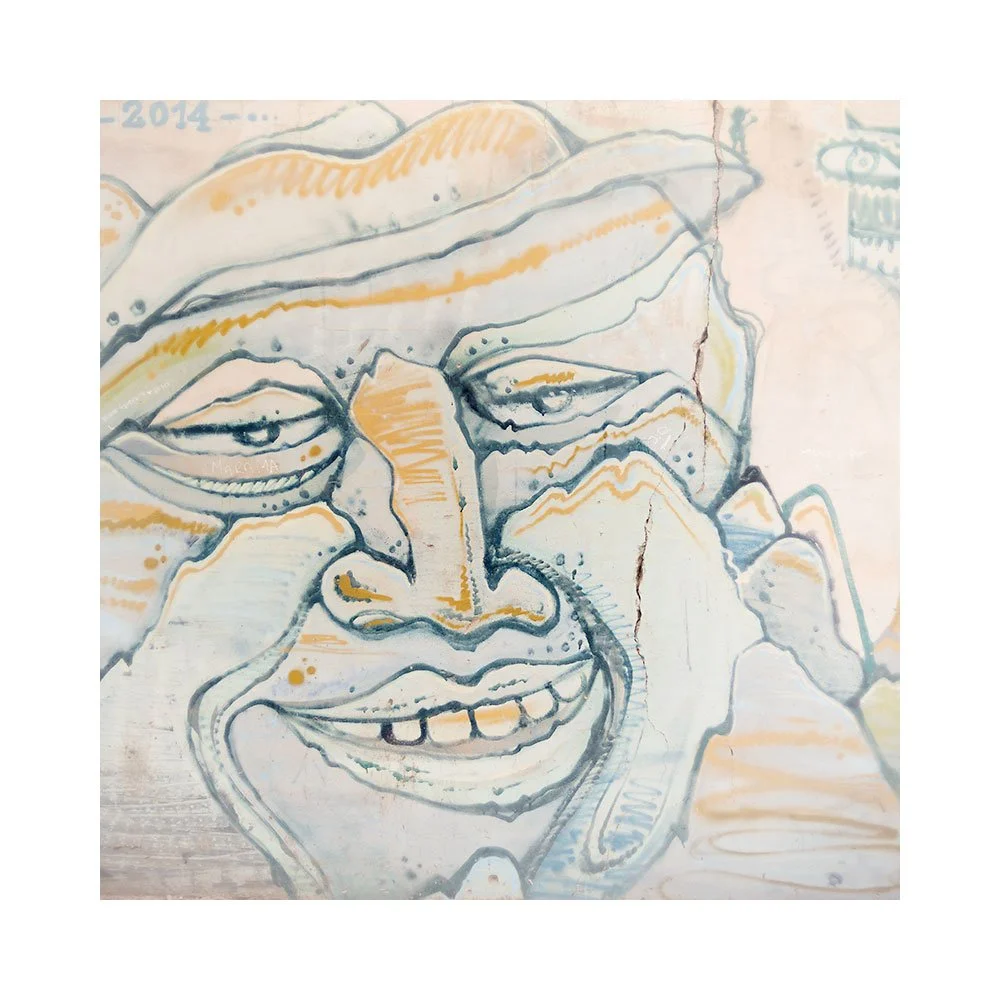
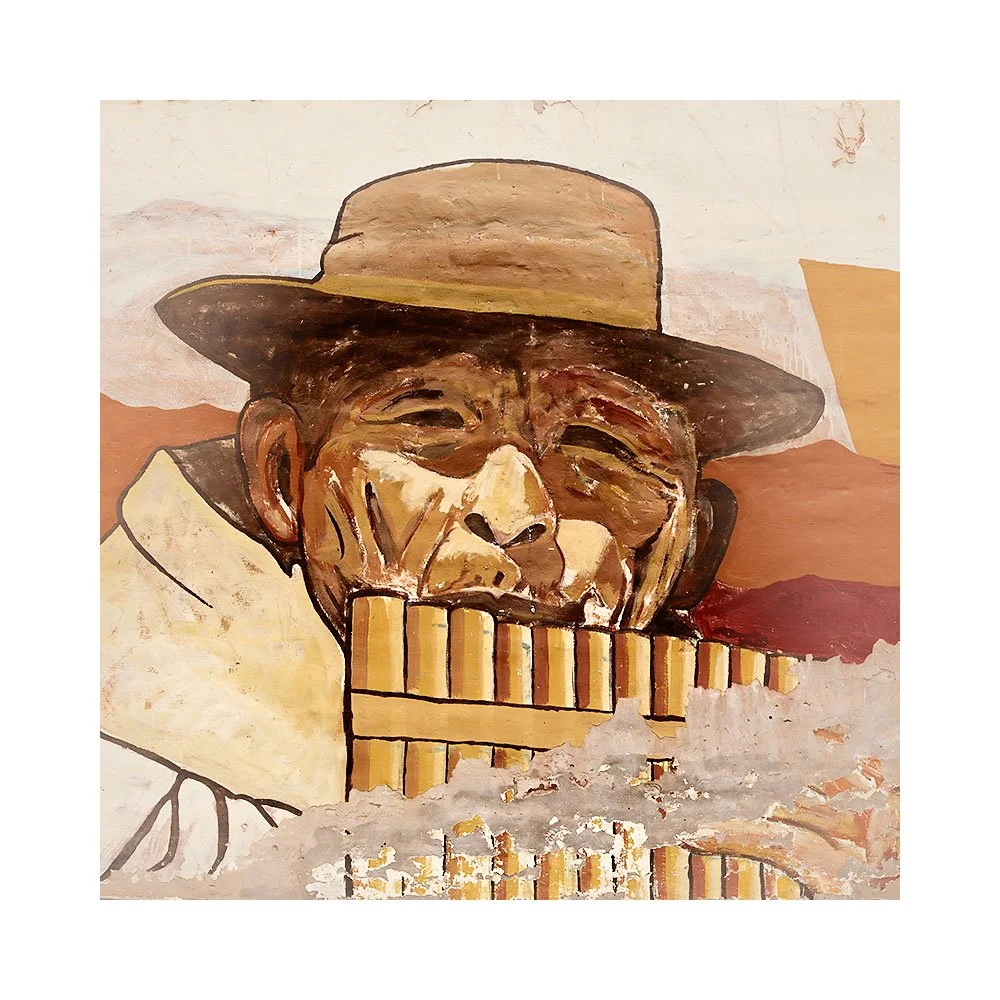
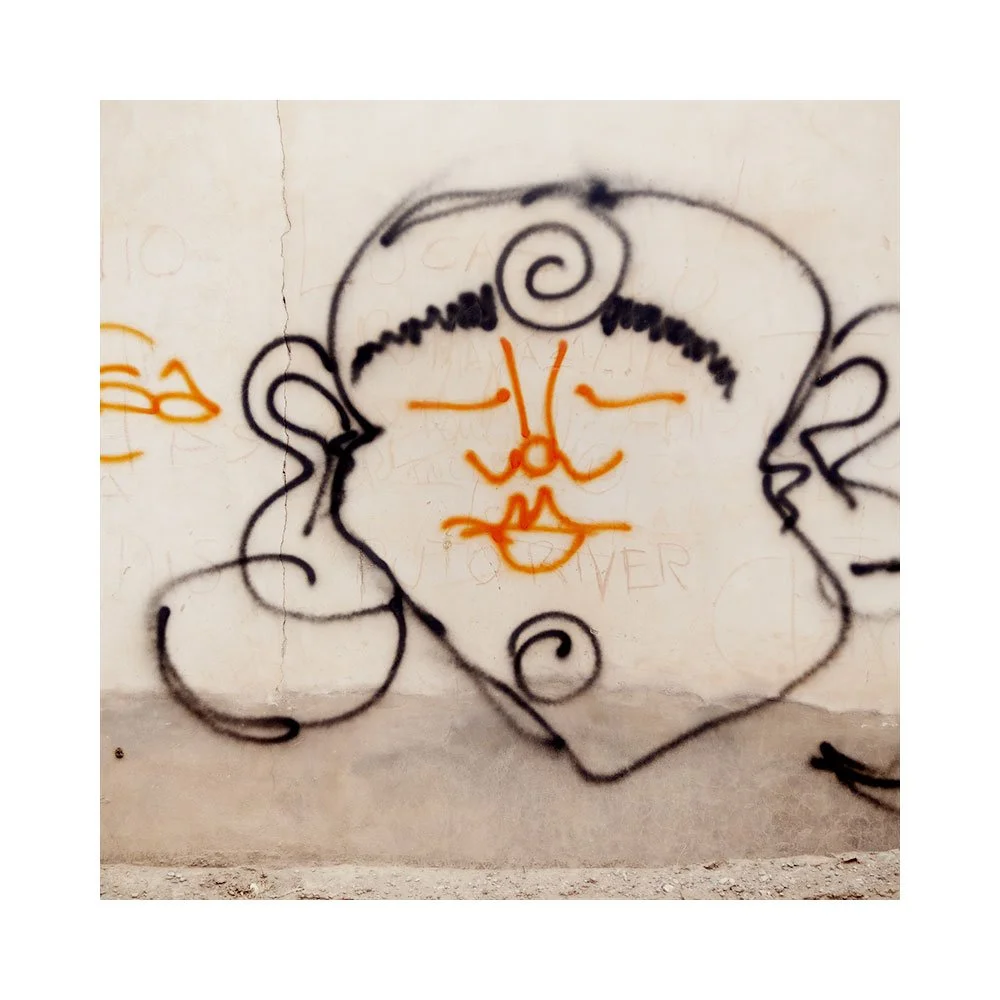
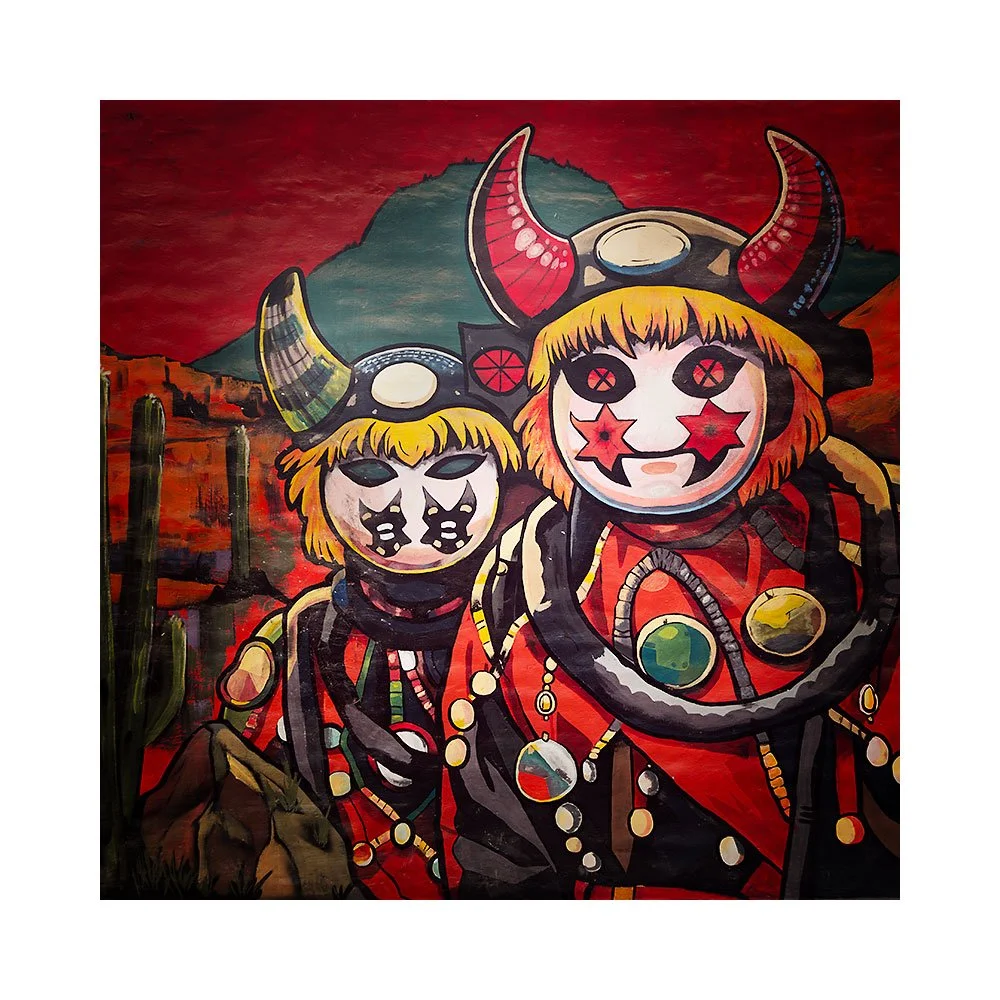
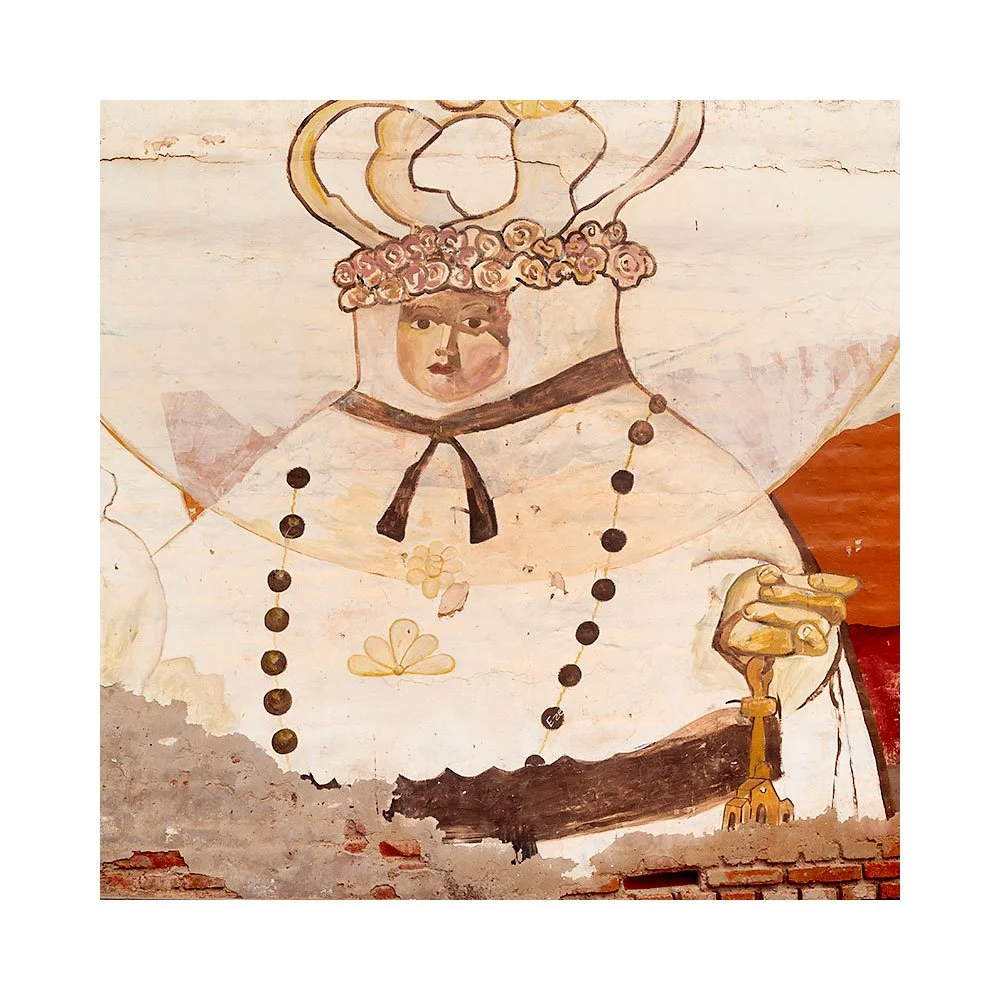
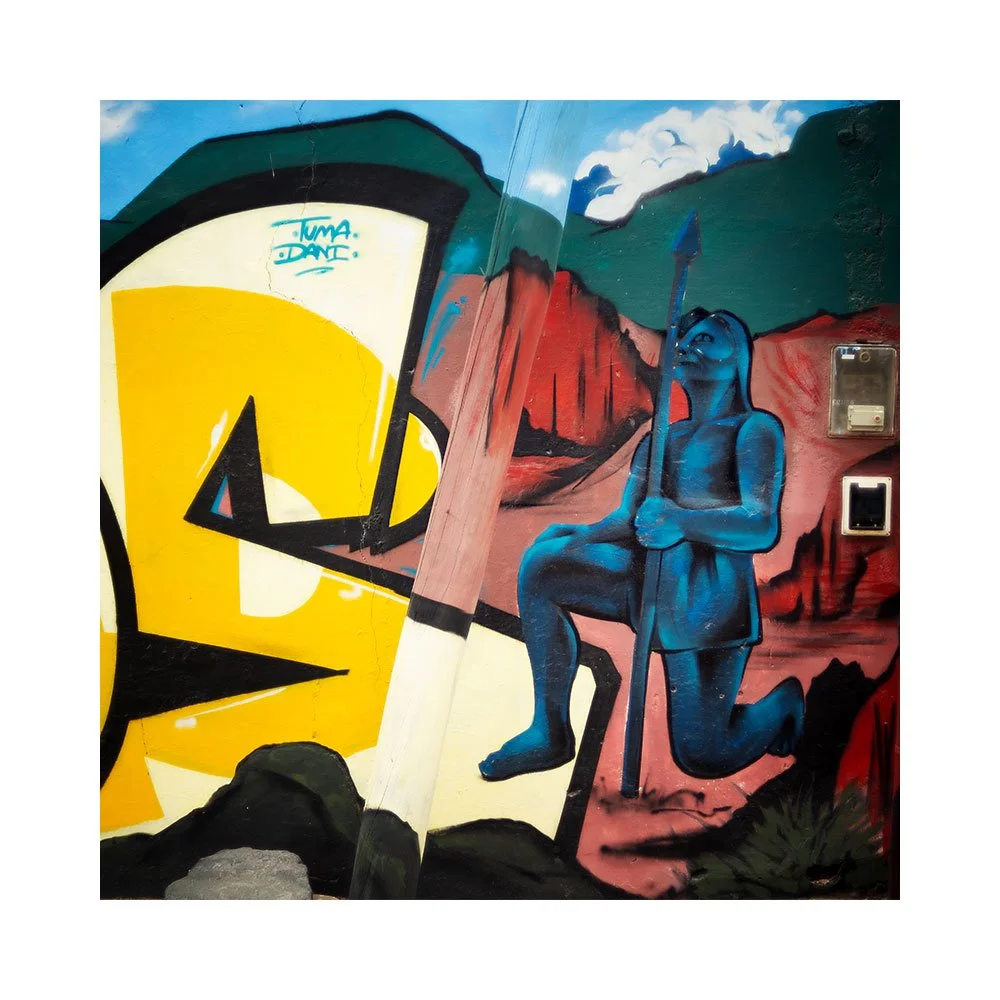
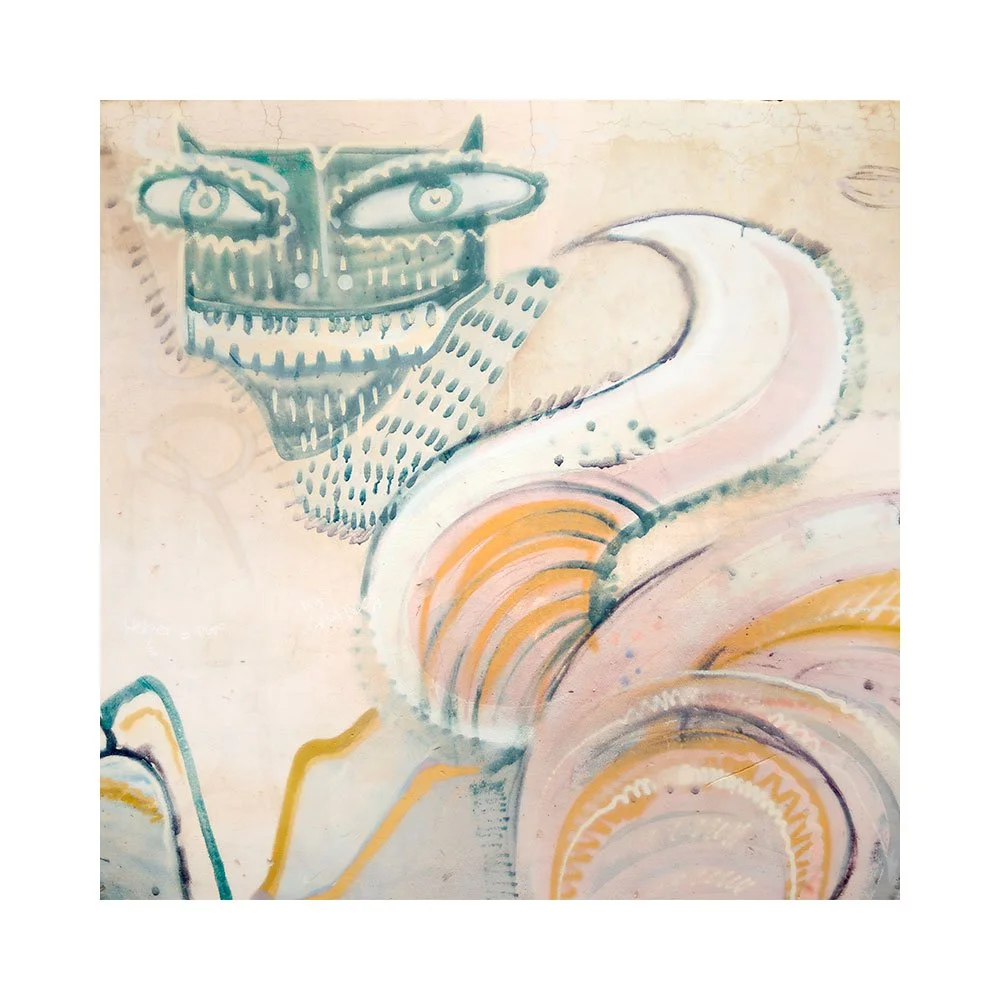
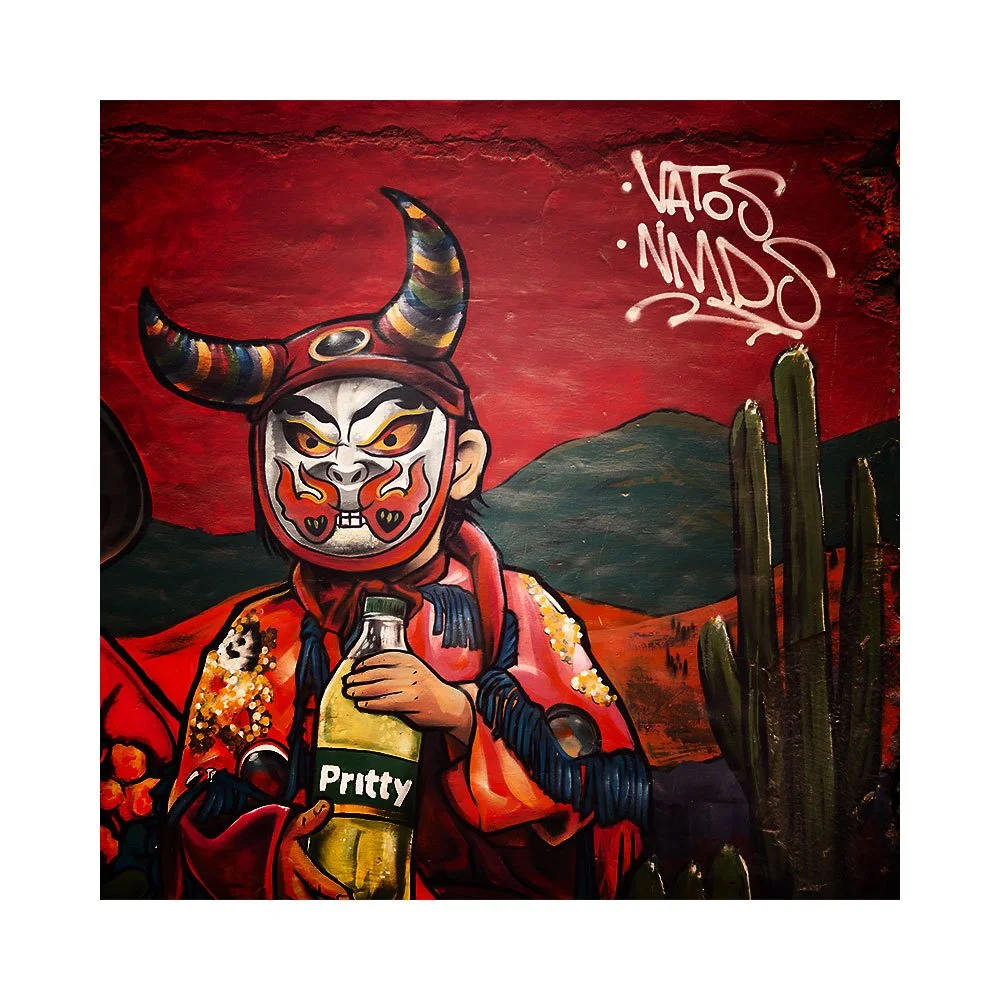
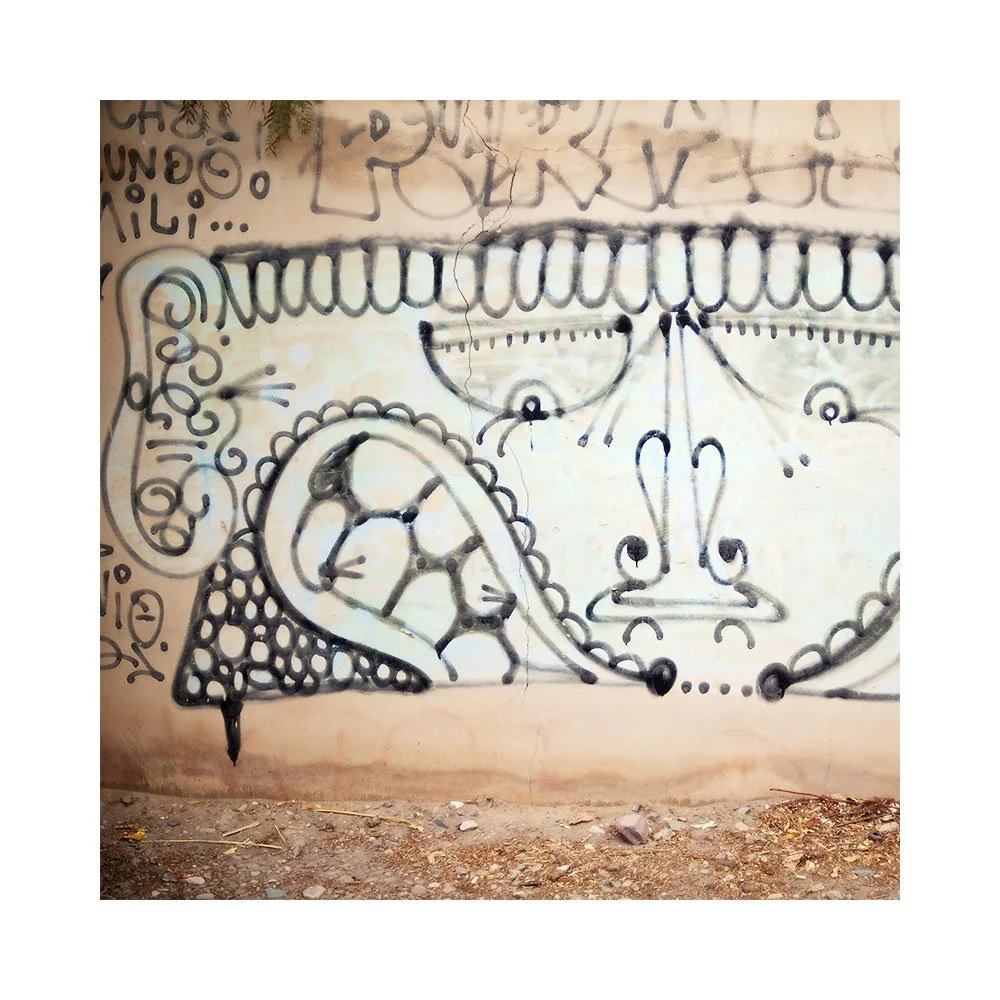
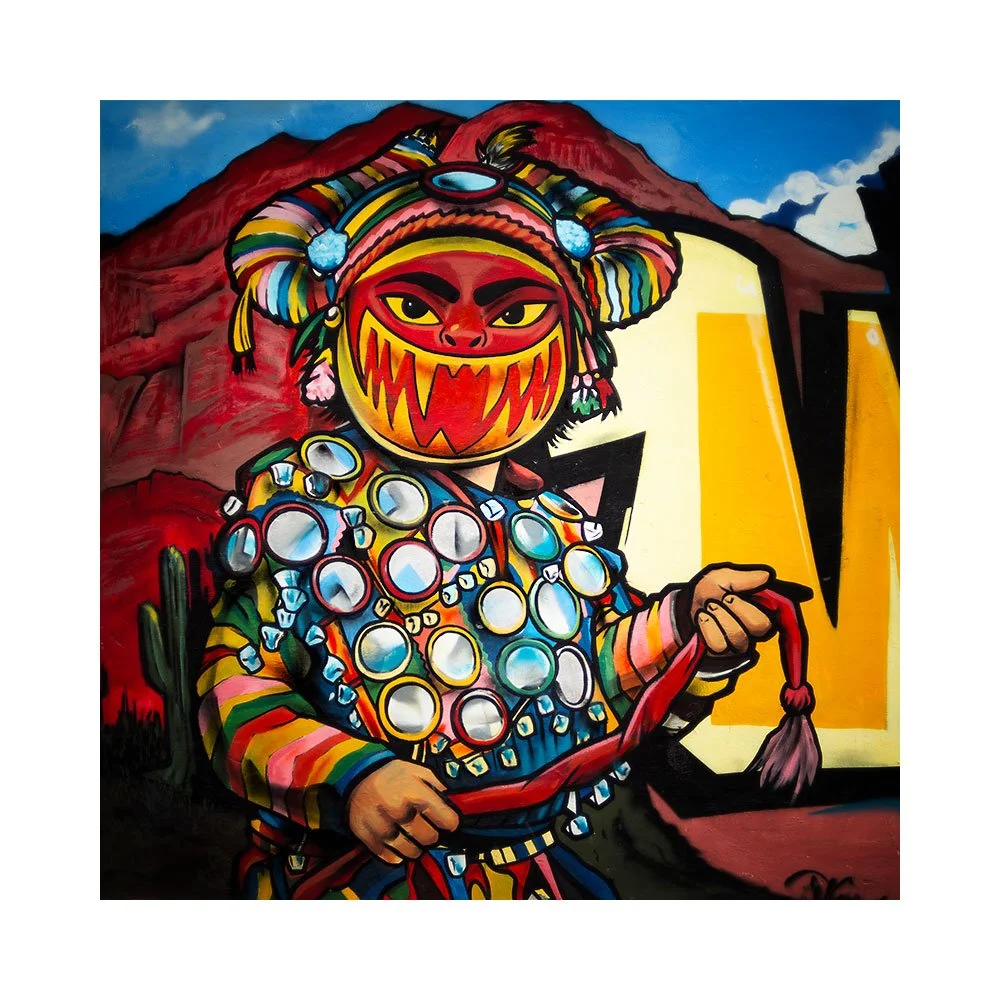
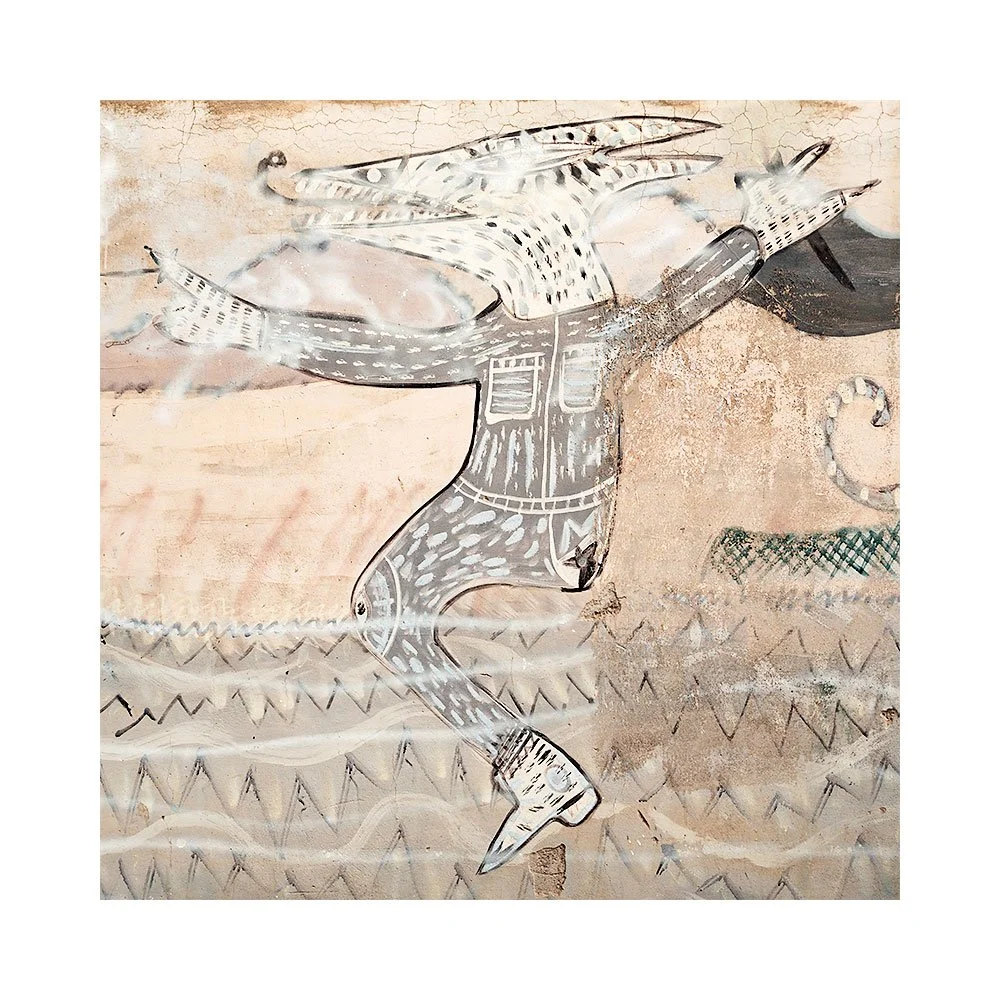
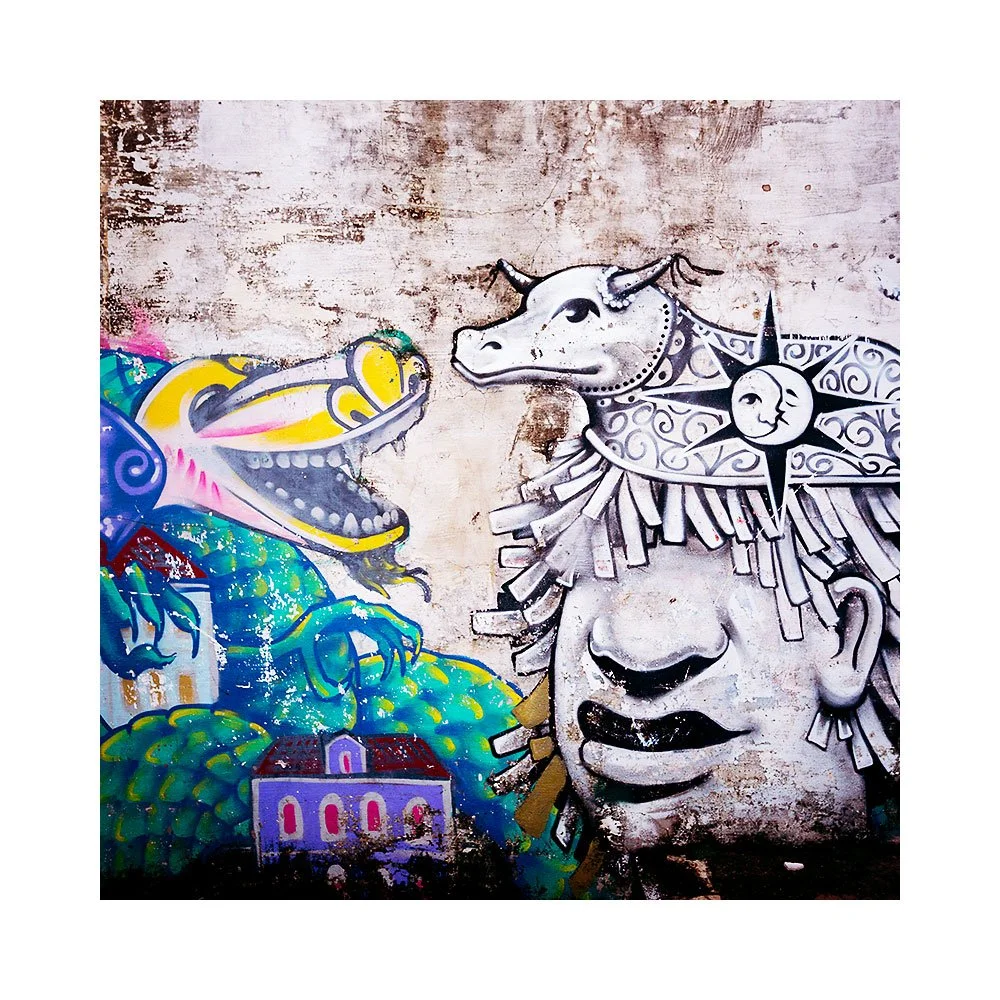
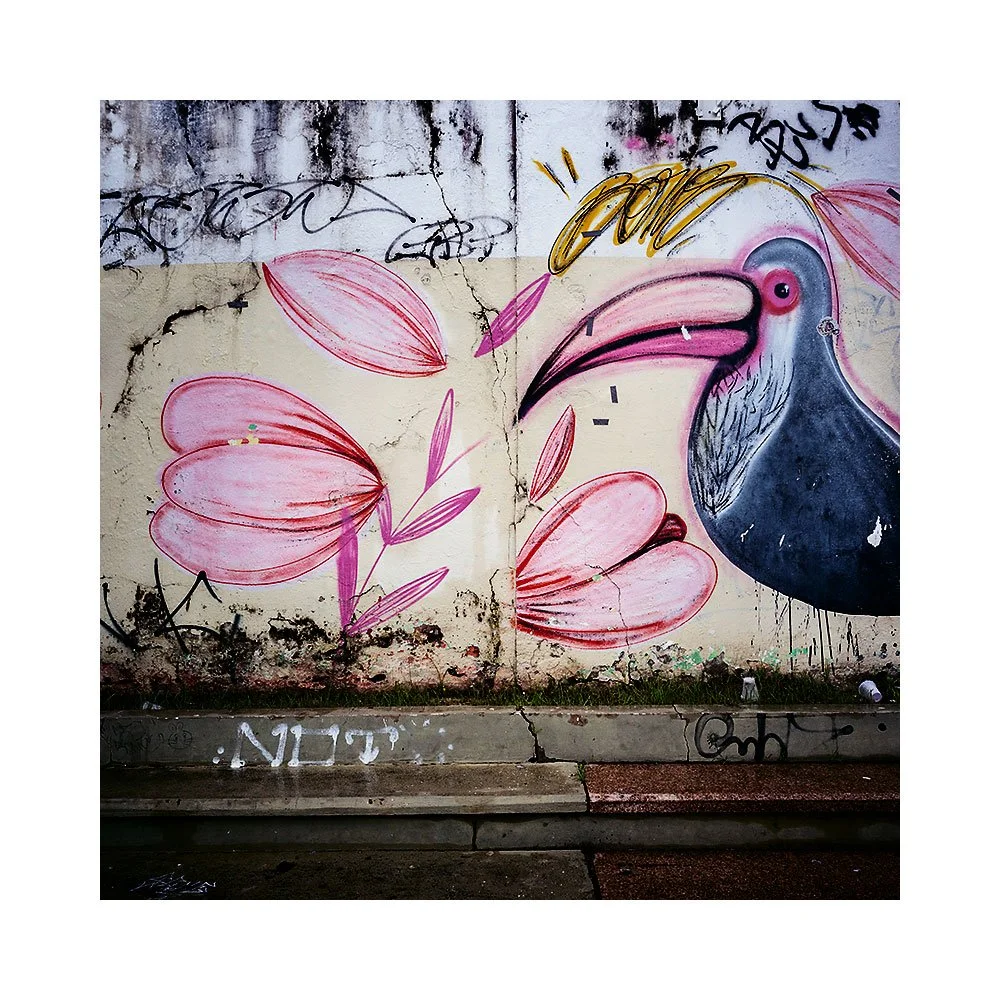
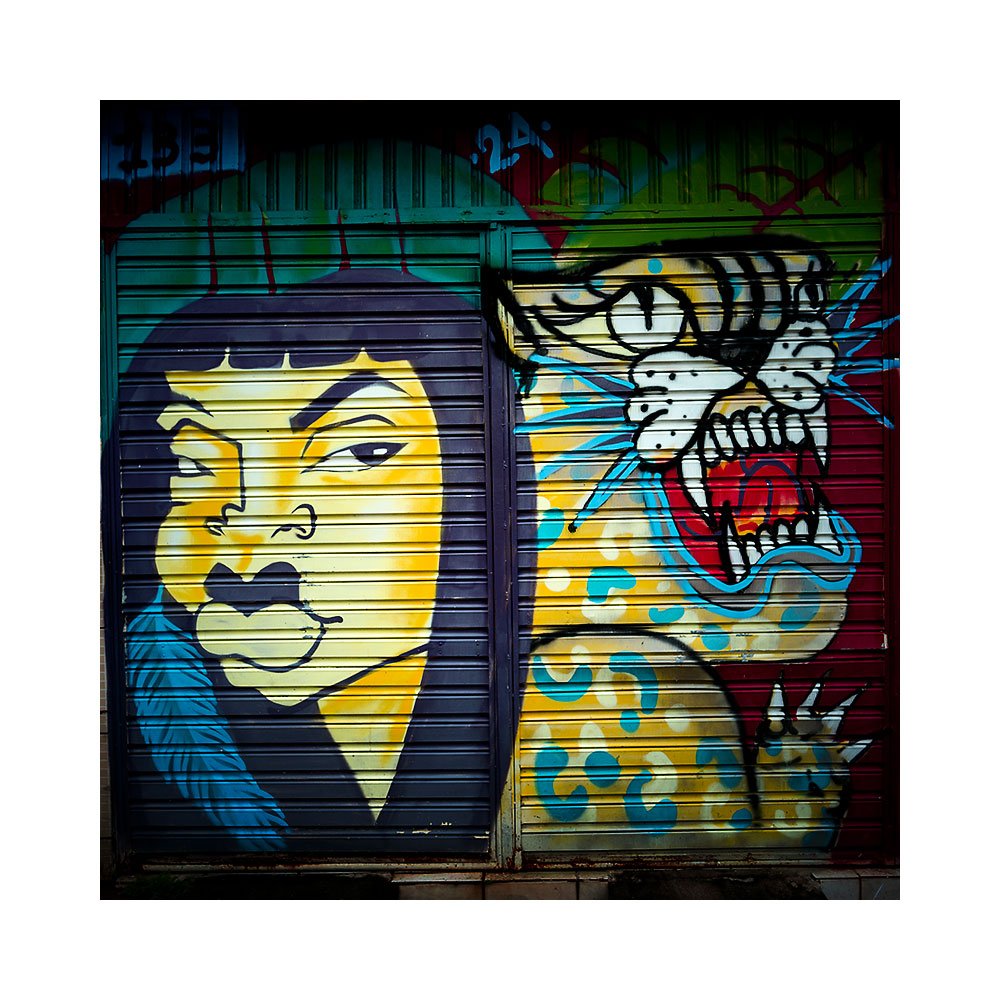
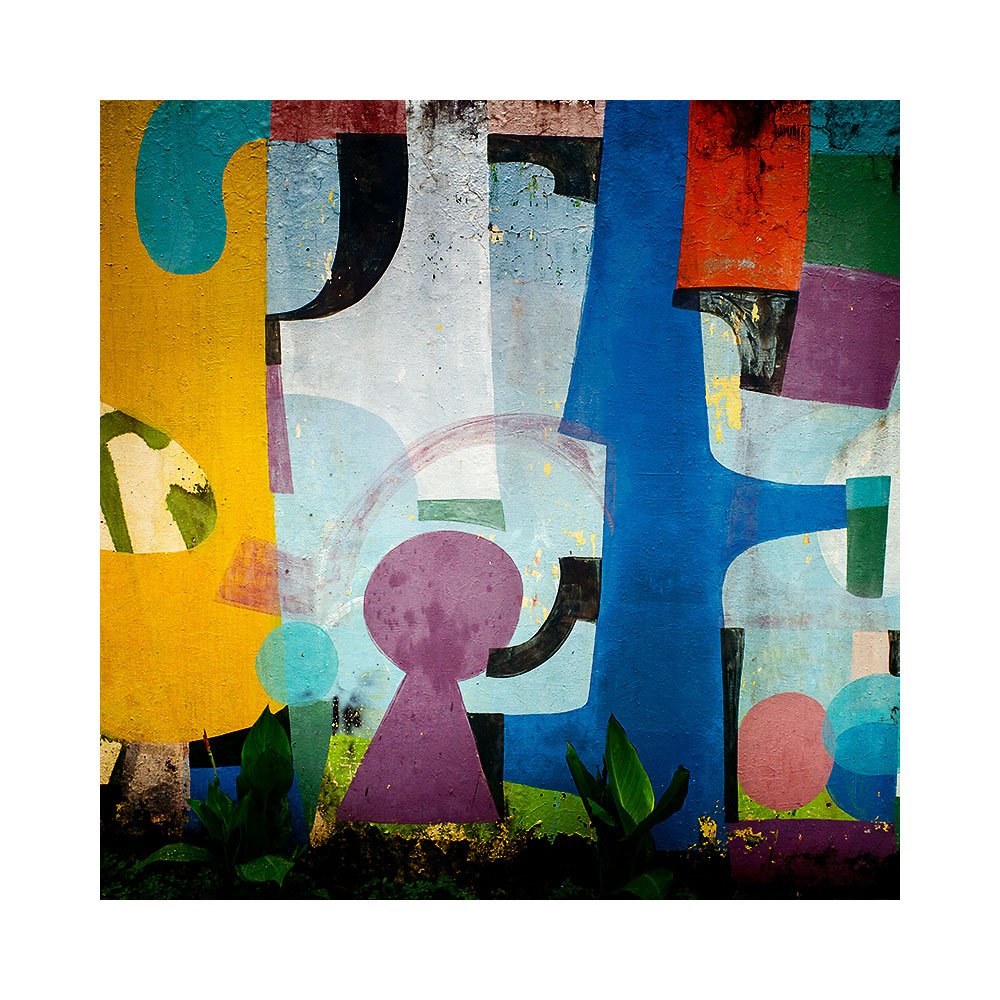
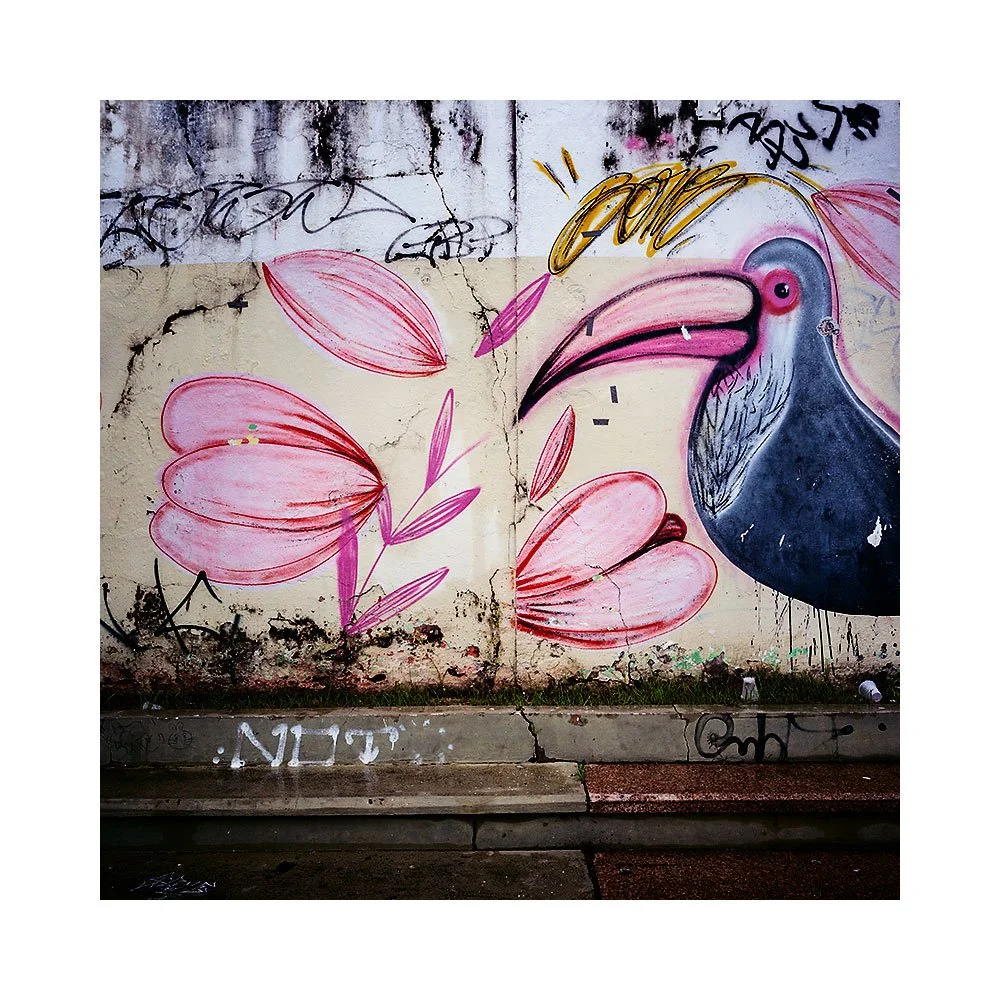
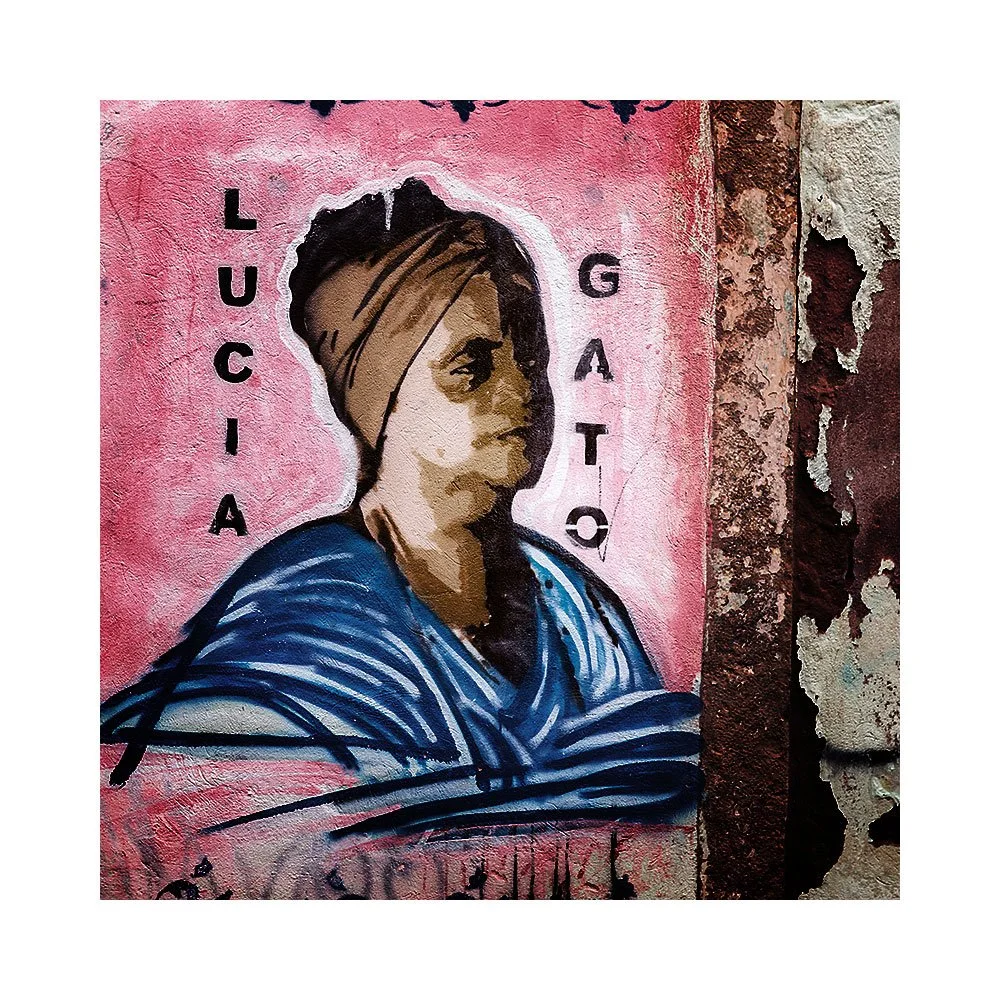
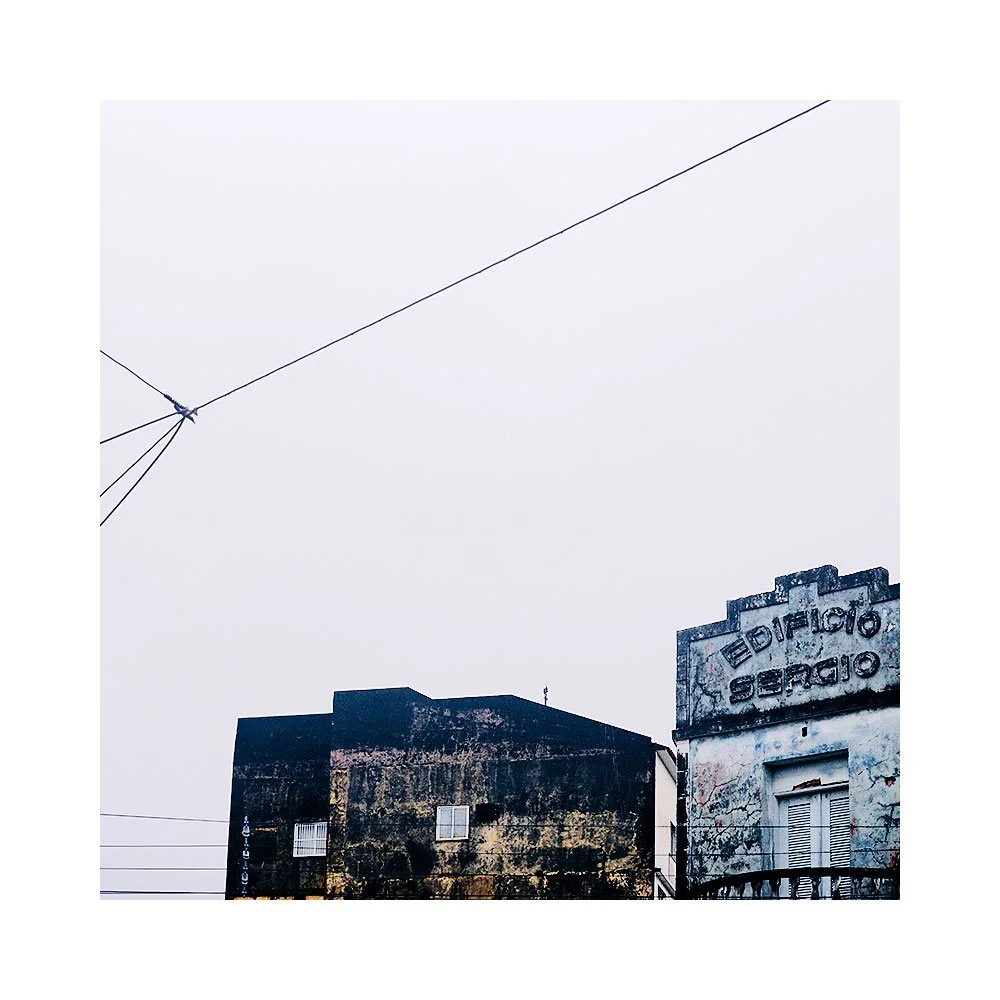
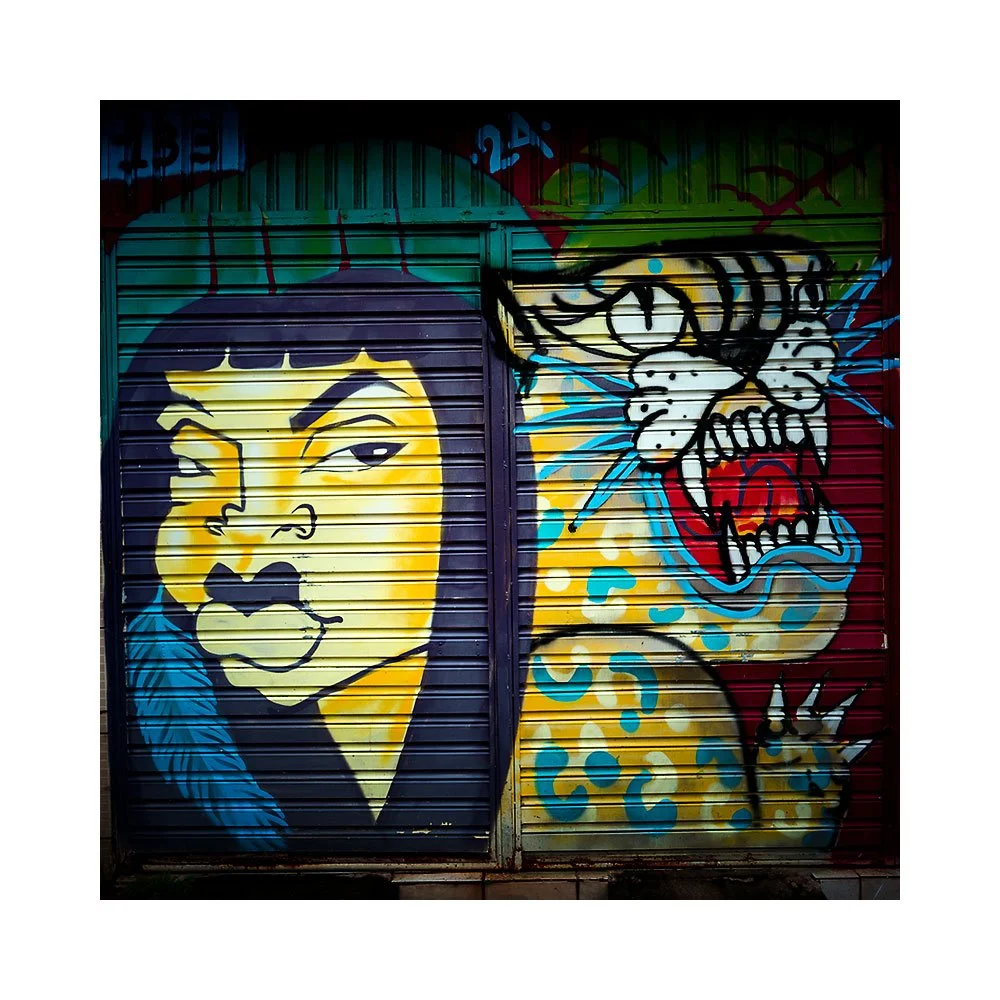
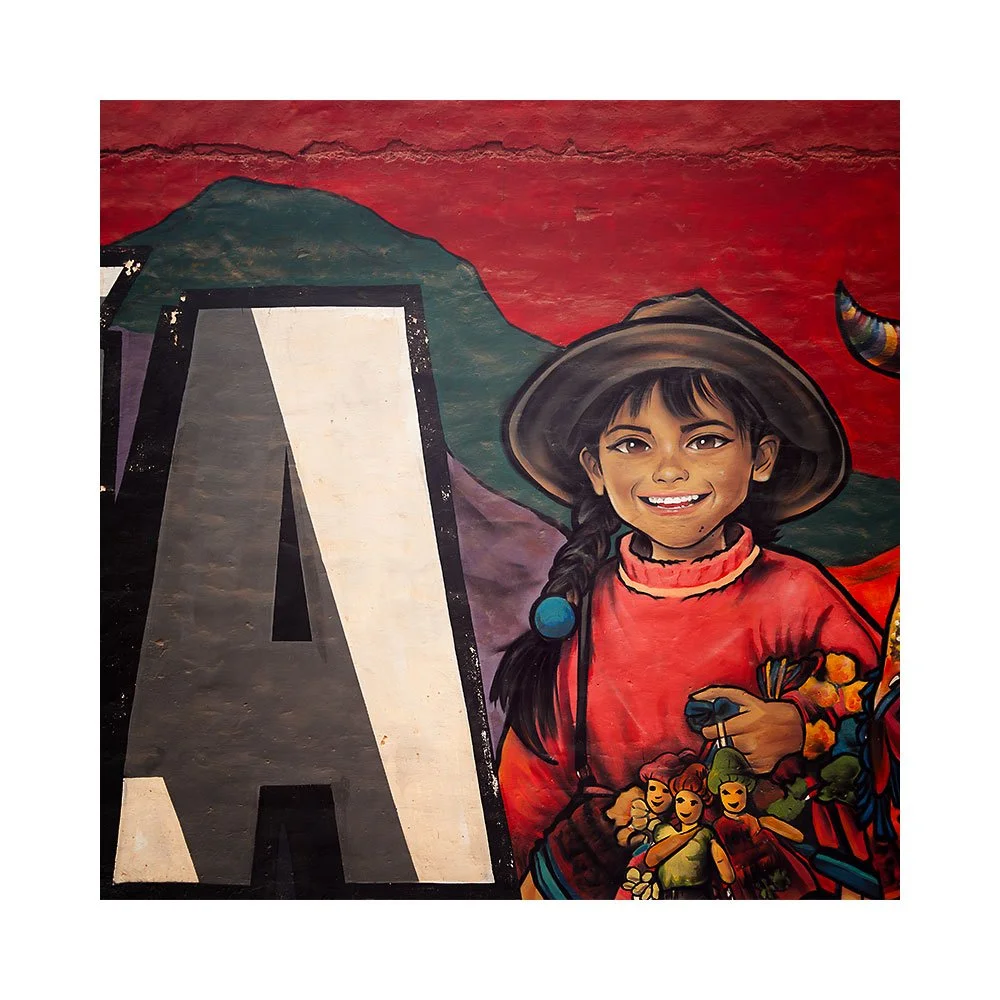
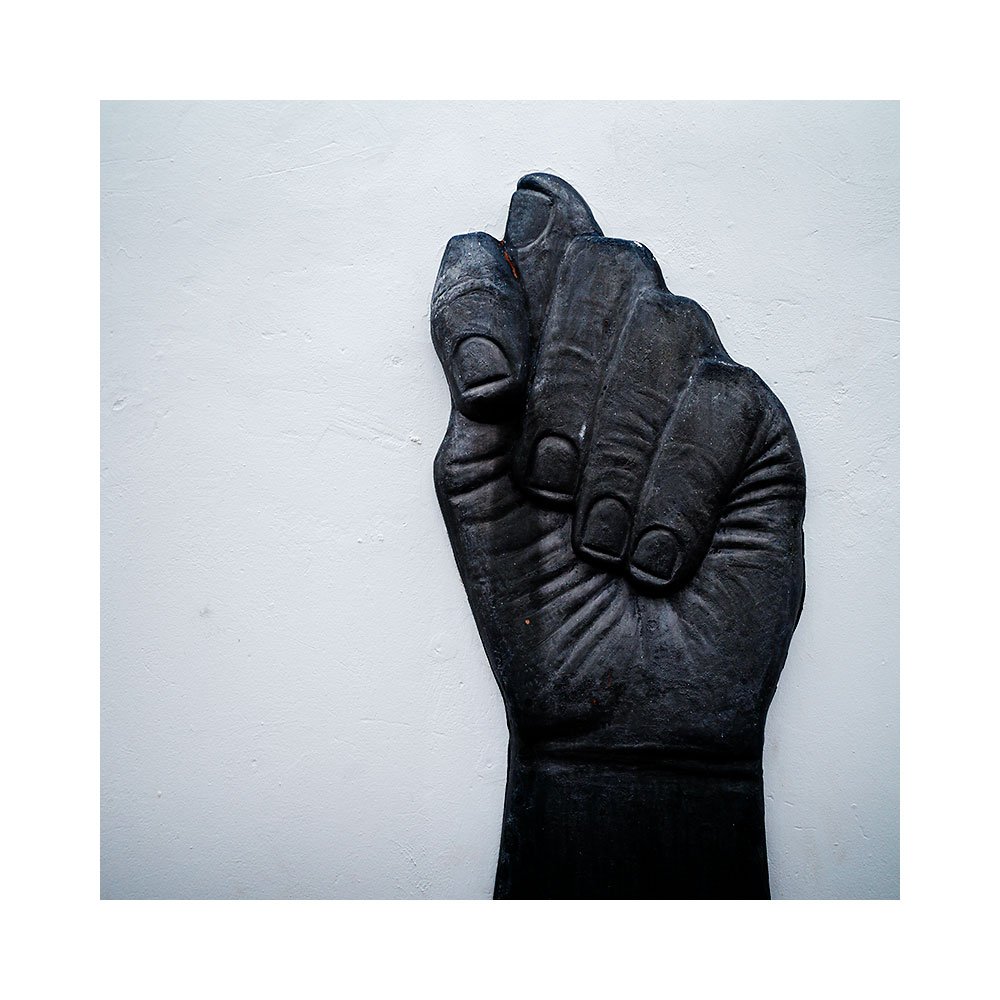
Purmamarca Graffiti, 2026

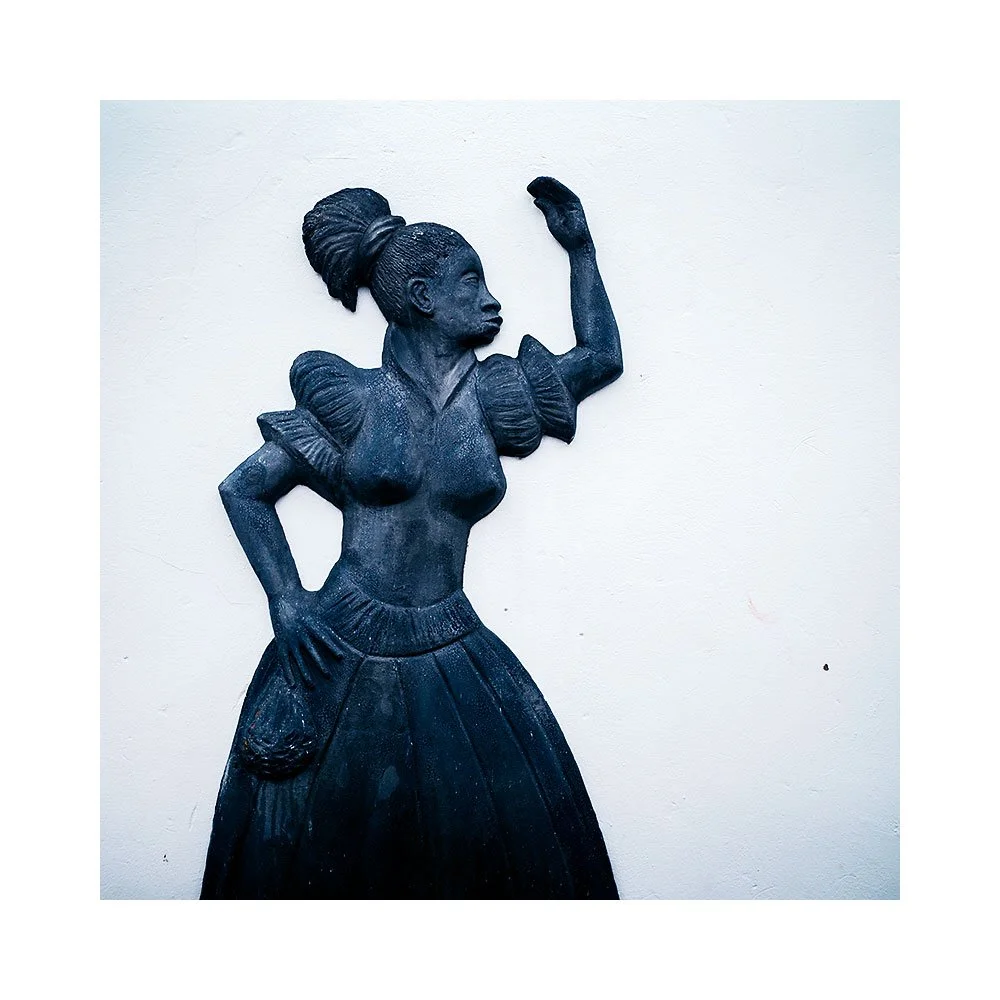
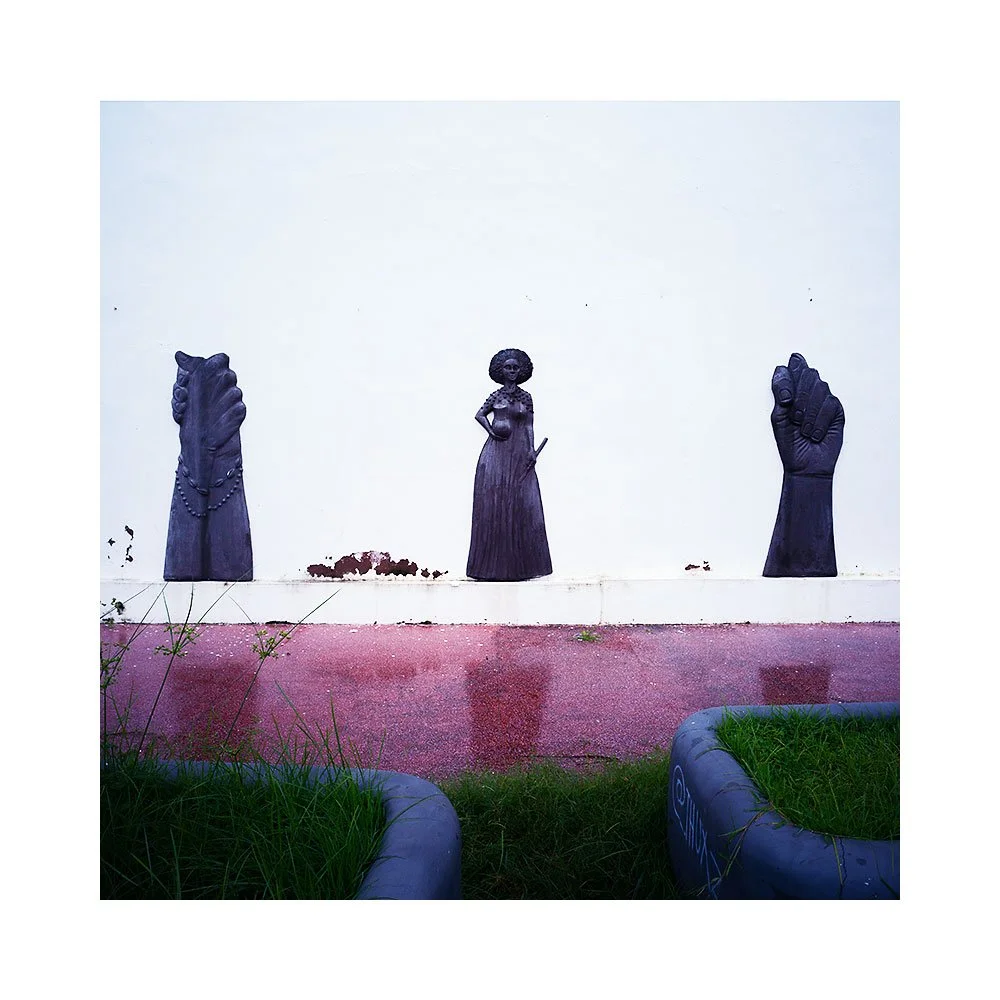
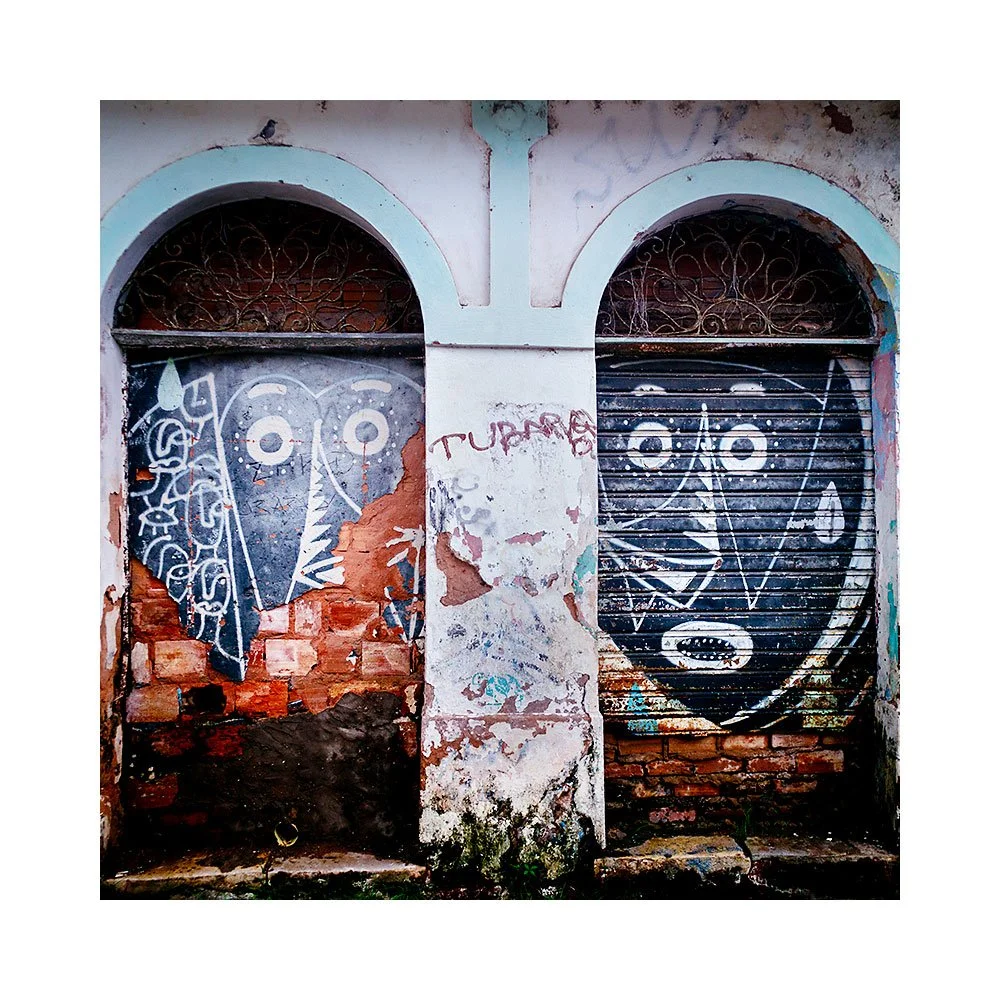
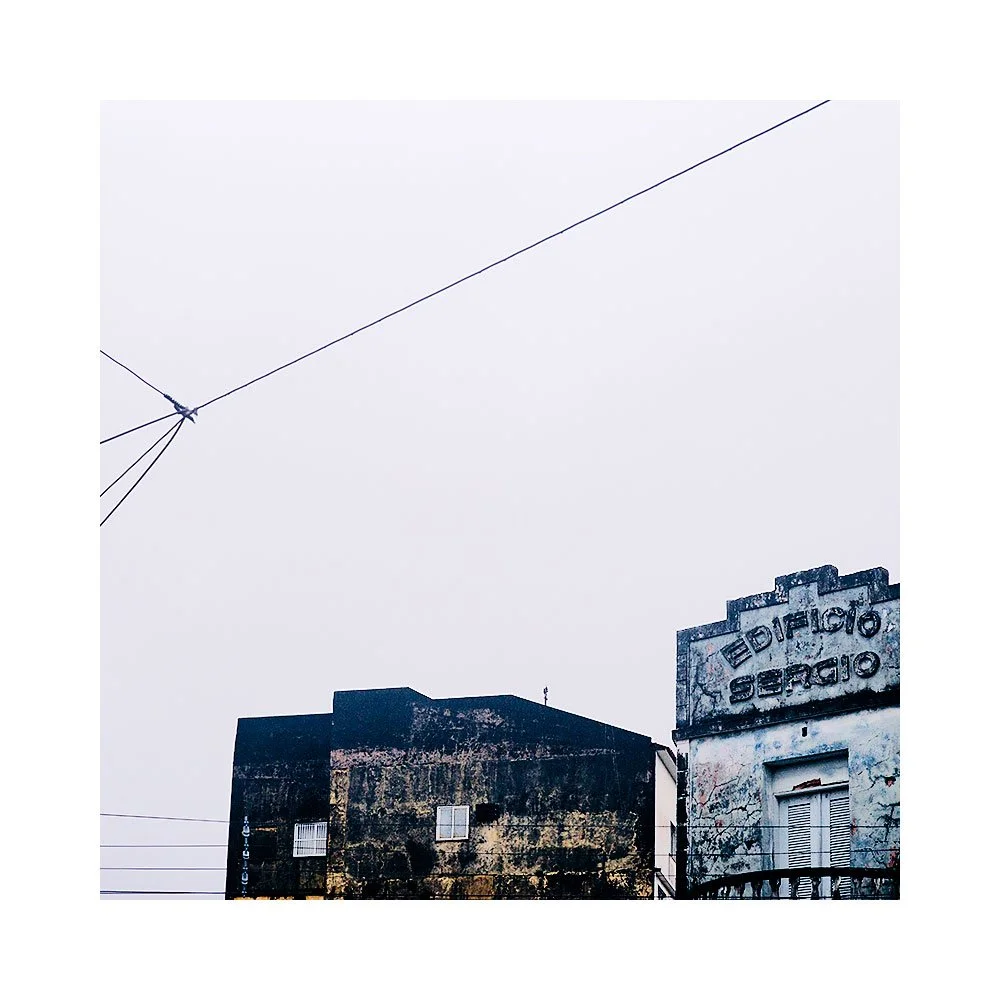
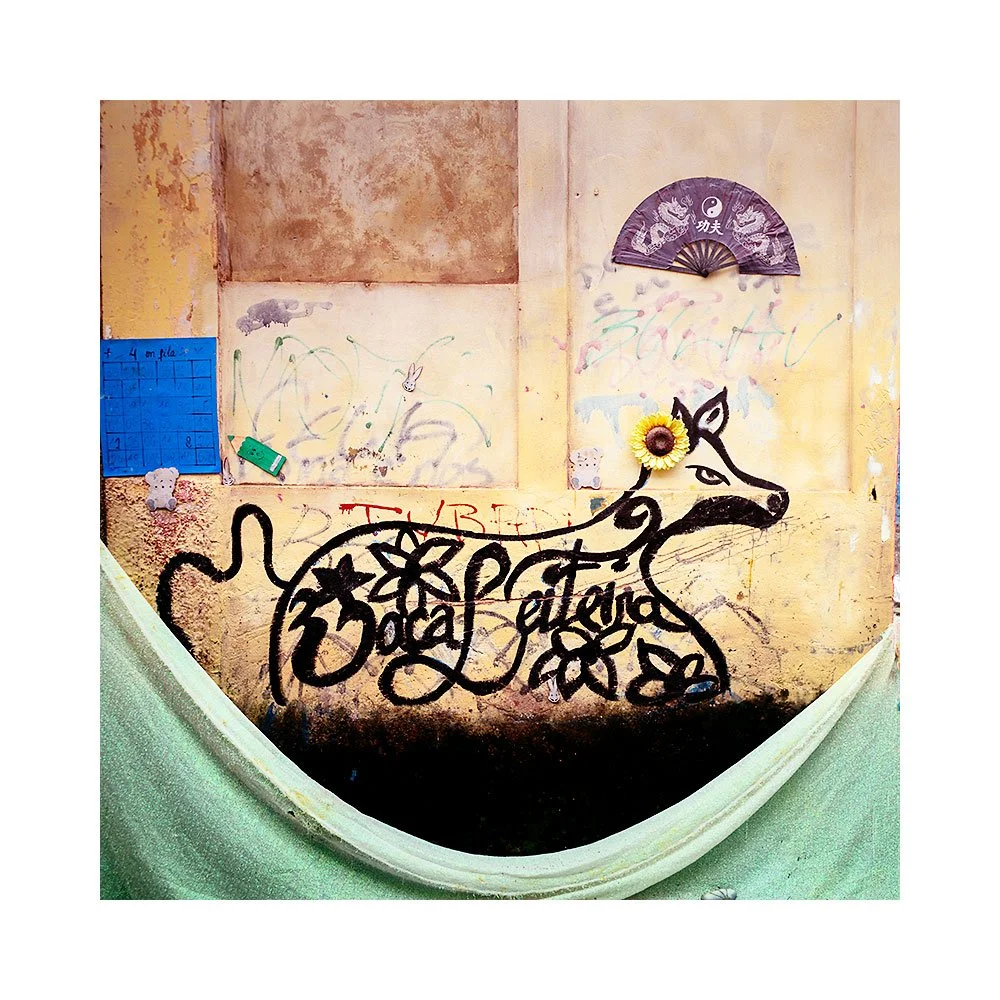
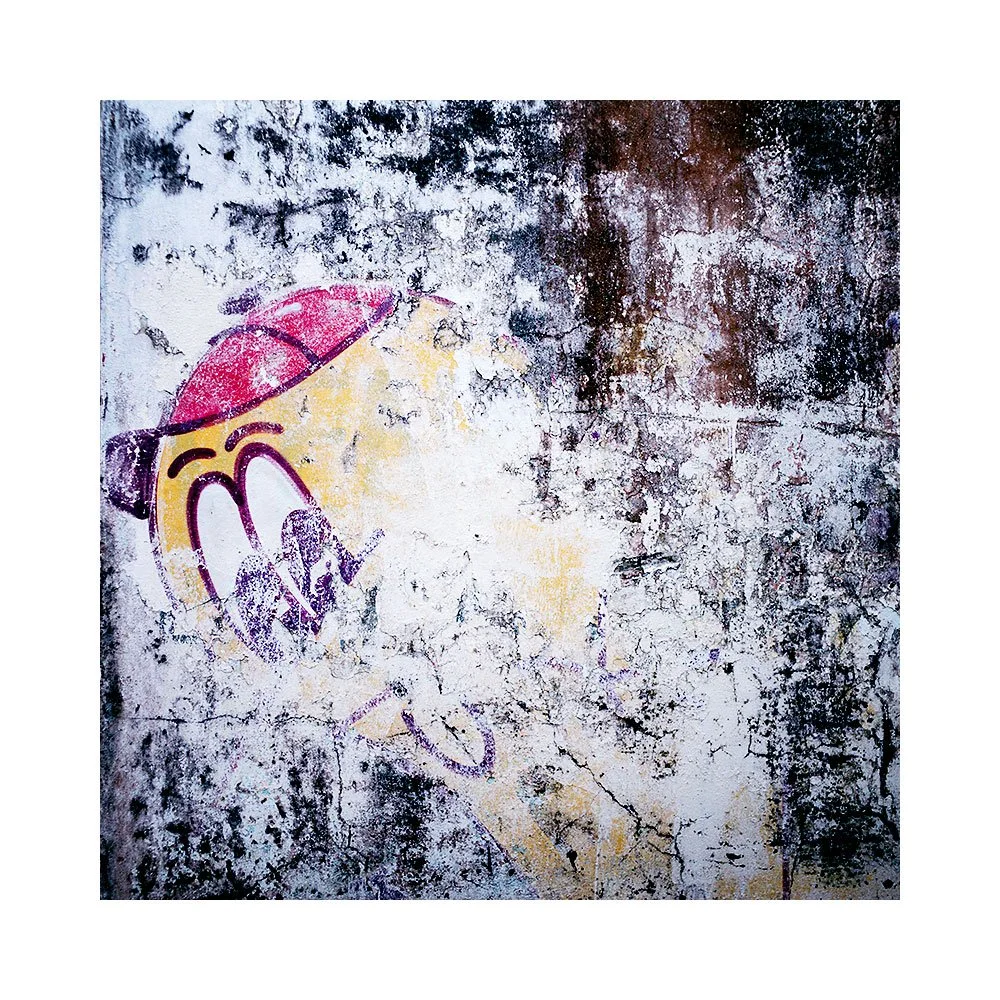
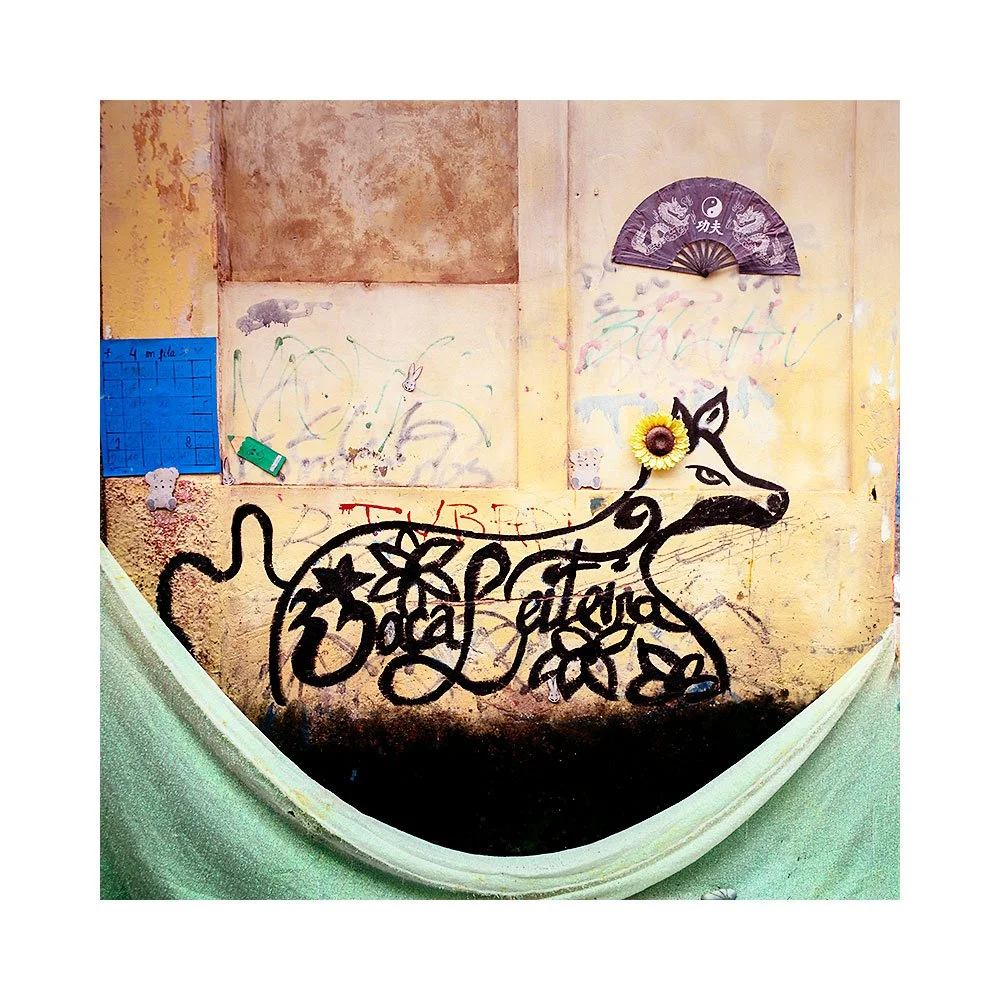
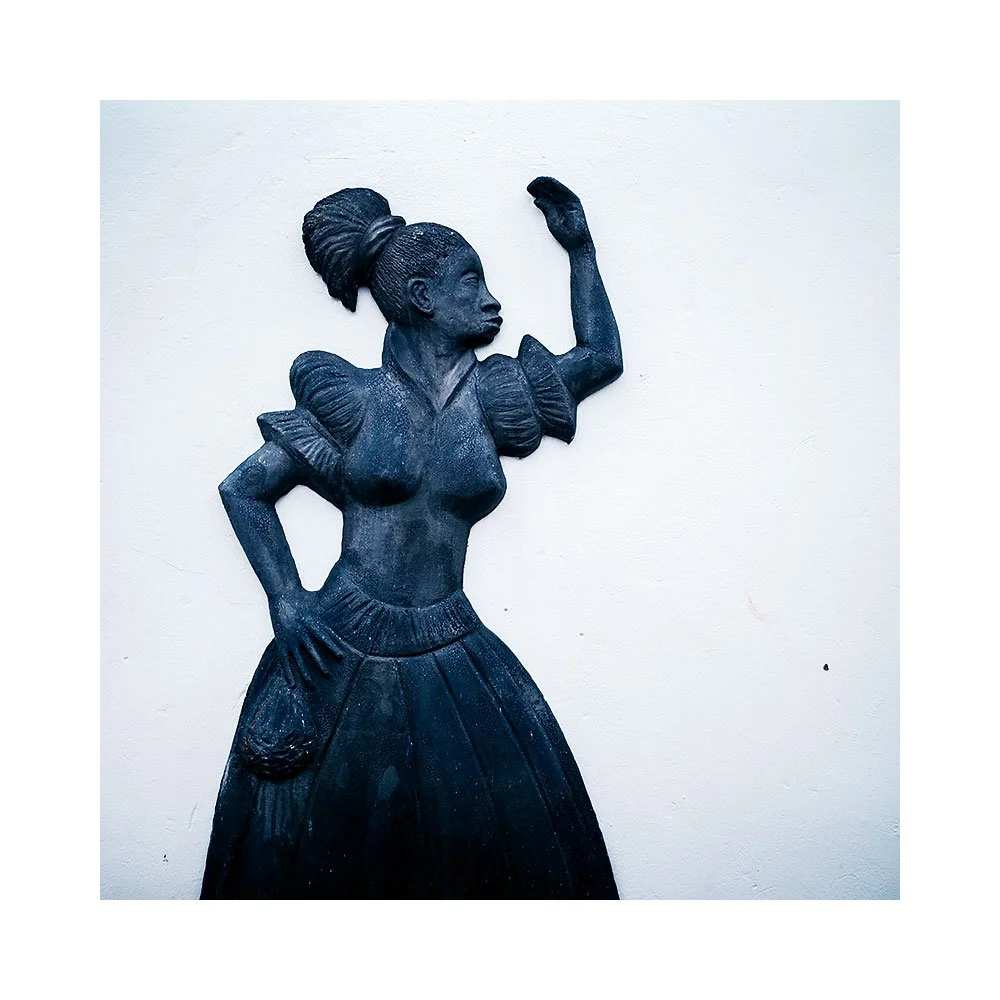
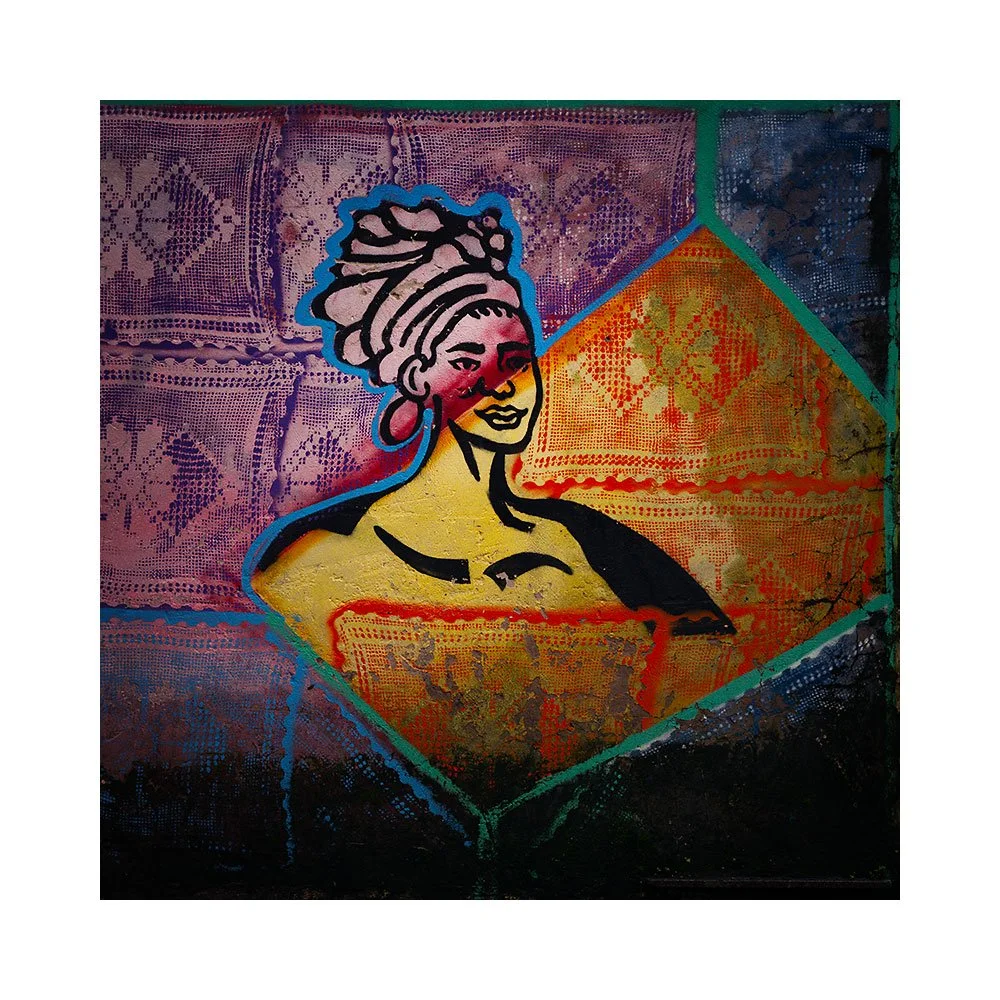
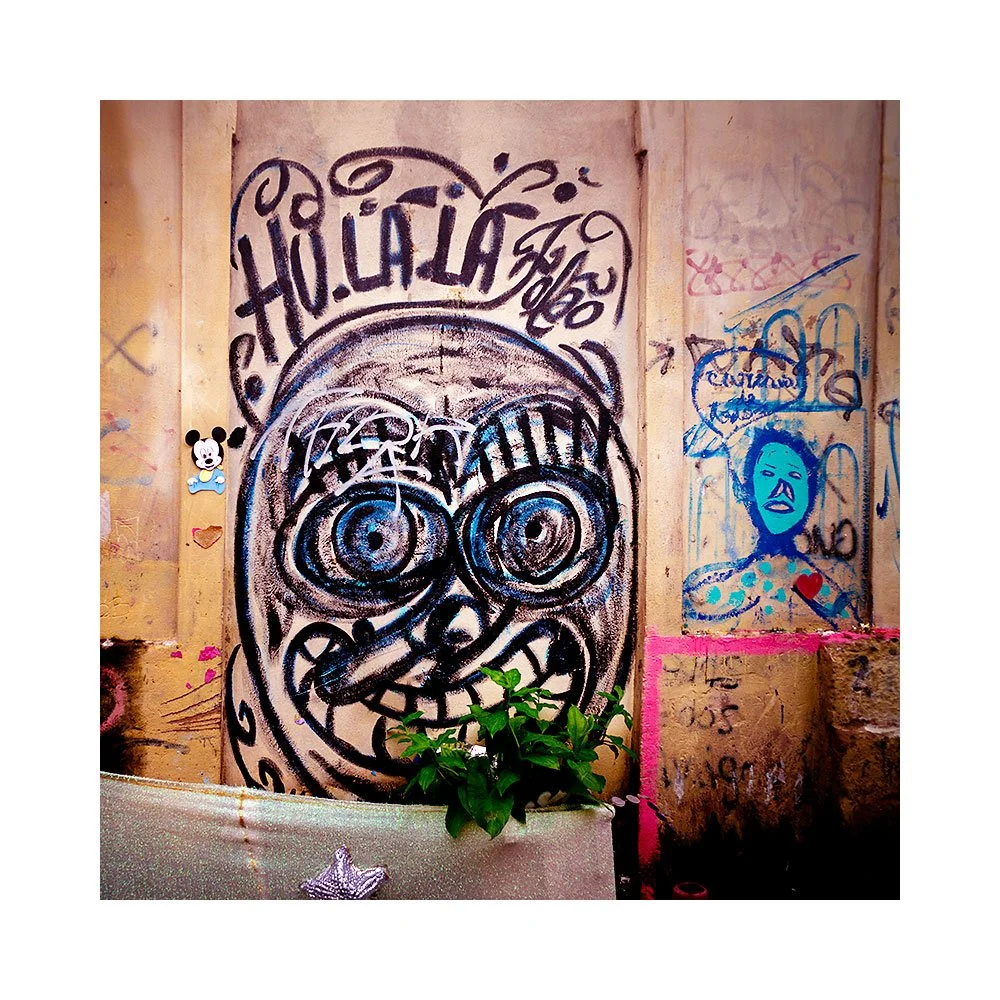
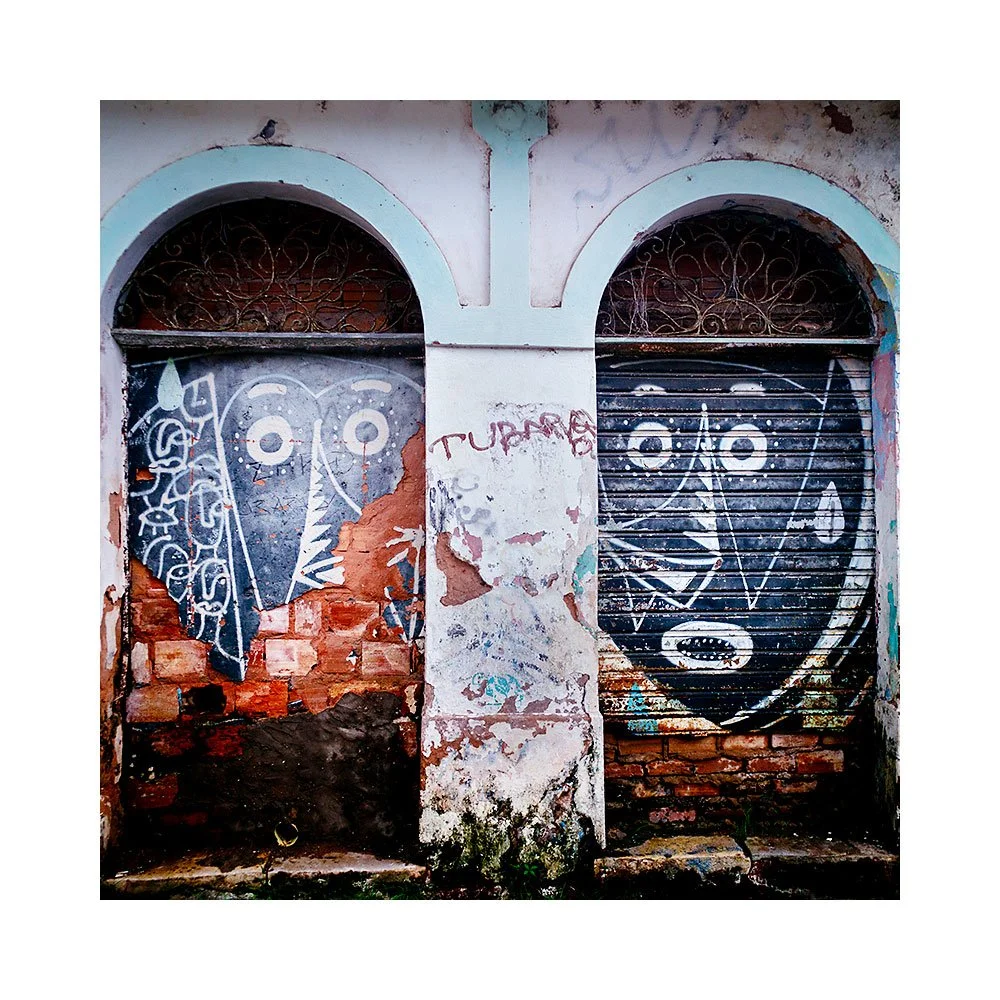
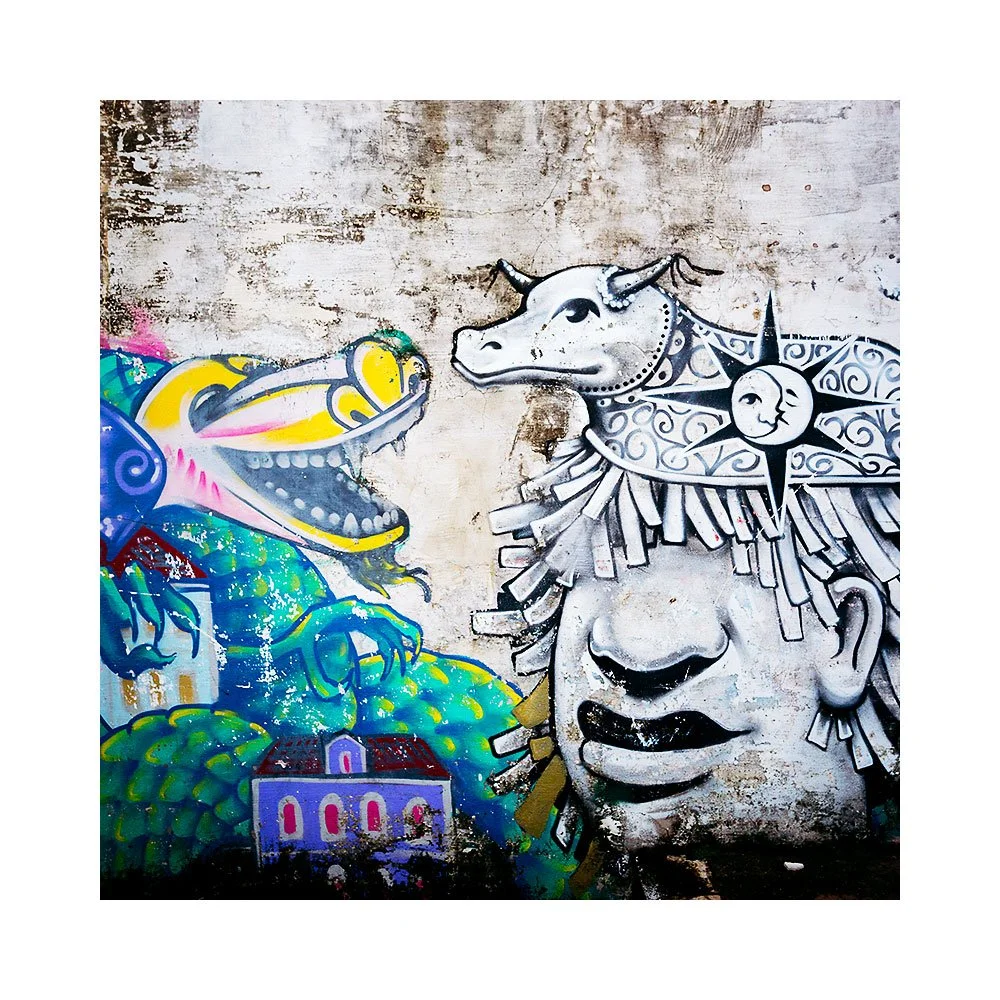
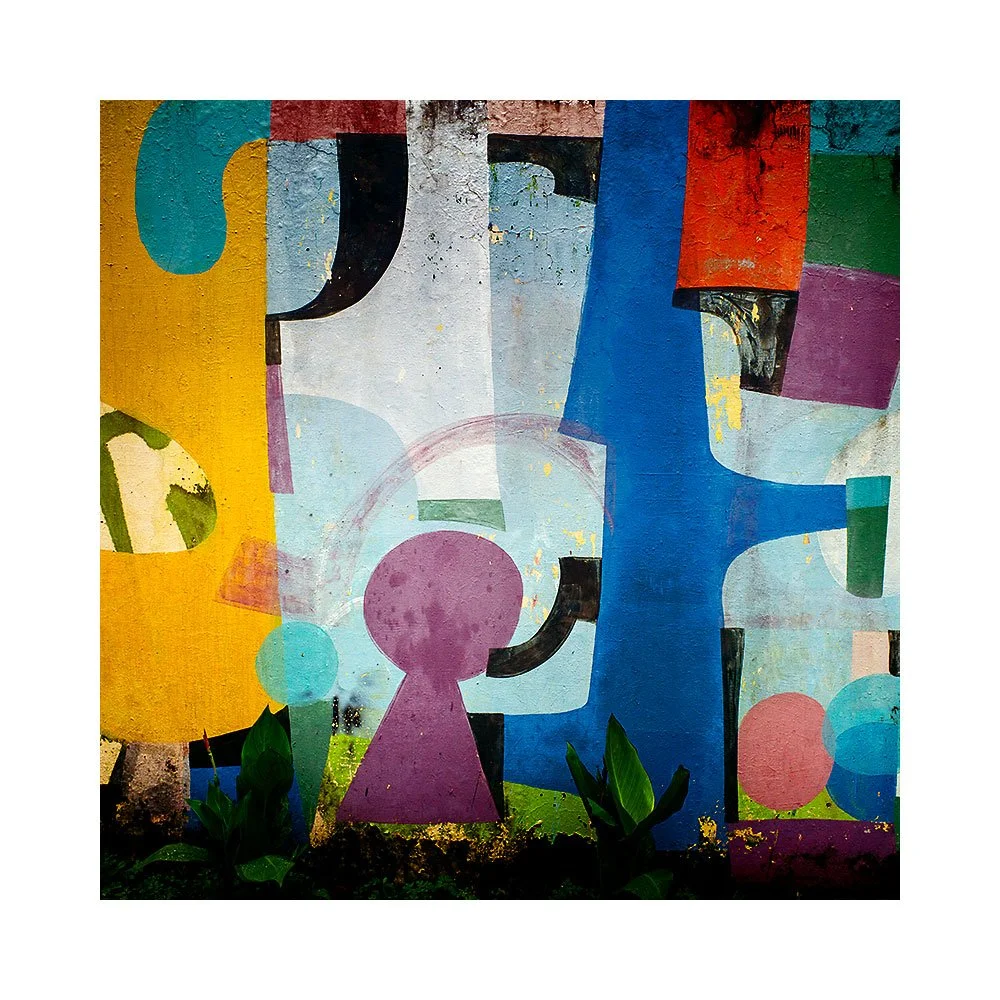
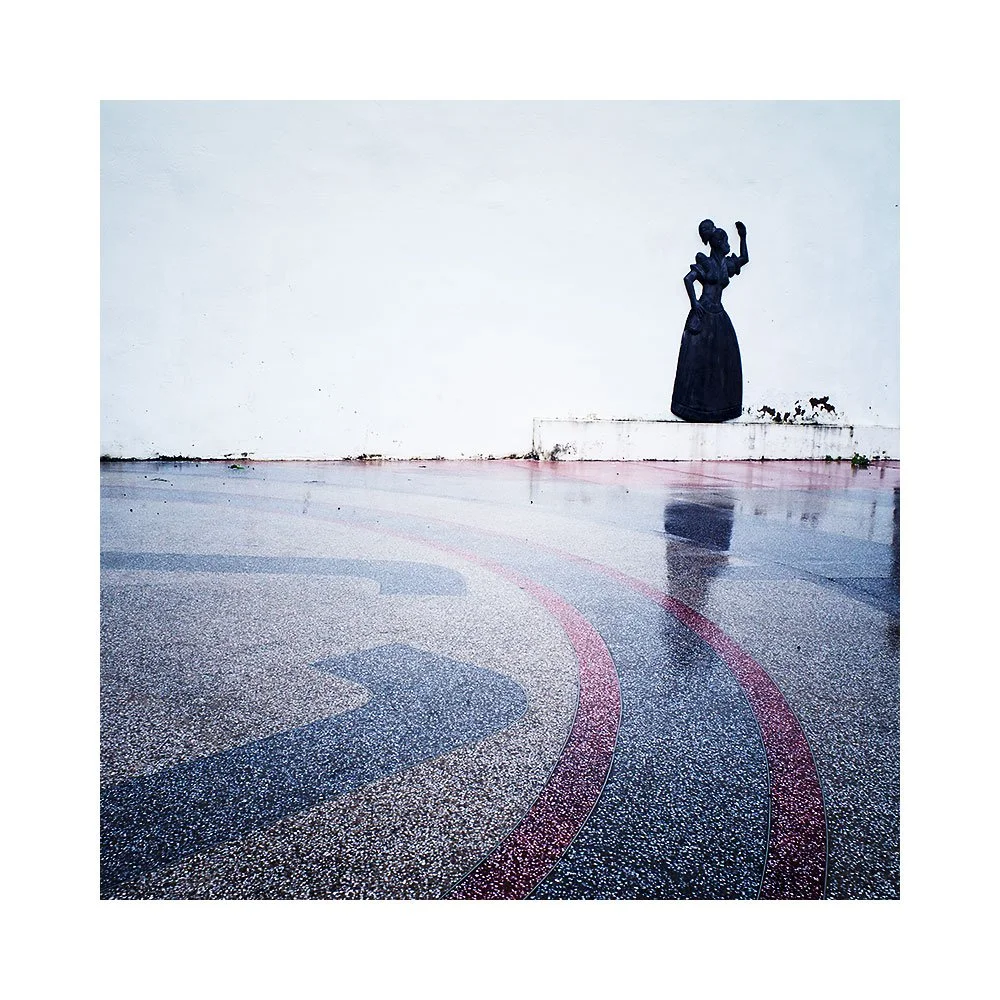
I'm Enjoying very much playing with an old Leica M240 and some Light Lens Lab lenses. These images were shot yesterday afternoon in the northern Argentina town of Purmamarca.

I love the colours and of course the inventive art work. I like how the camera’s colours respond to editing as well.

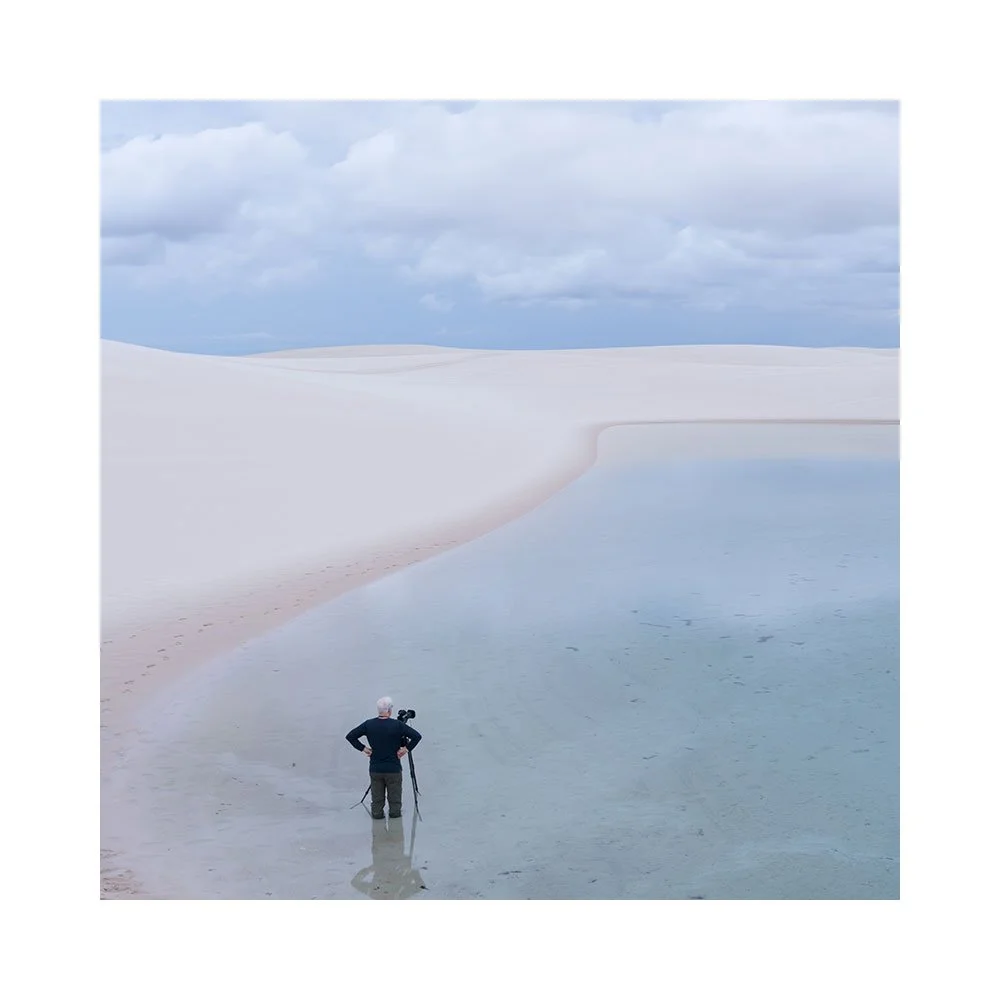
I’m also enjoying making images of the periphery visuals around my landscape work, while I am travelling.

I would so like to make more street images and just images of the events that happen around my sessions outside of the landscape work I do.

The Shoot is a Performance

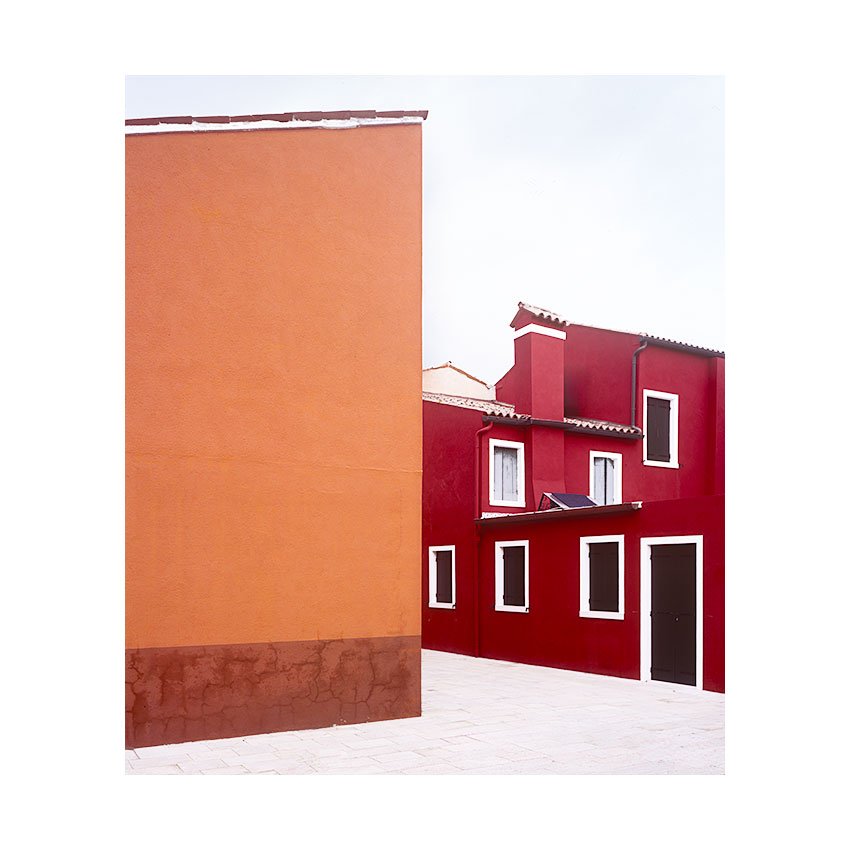
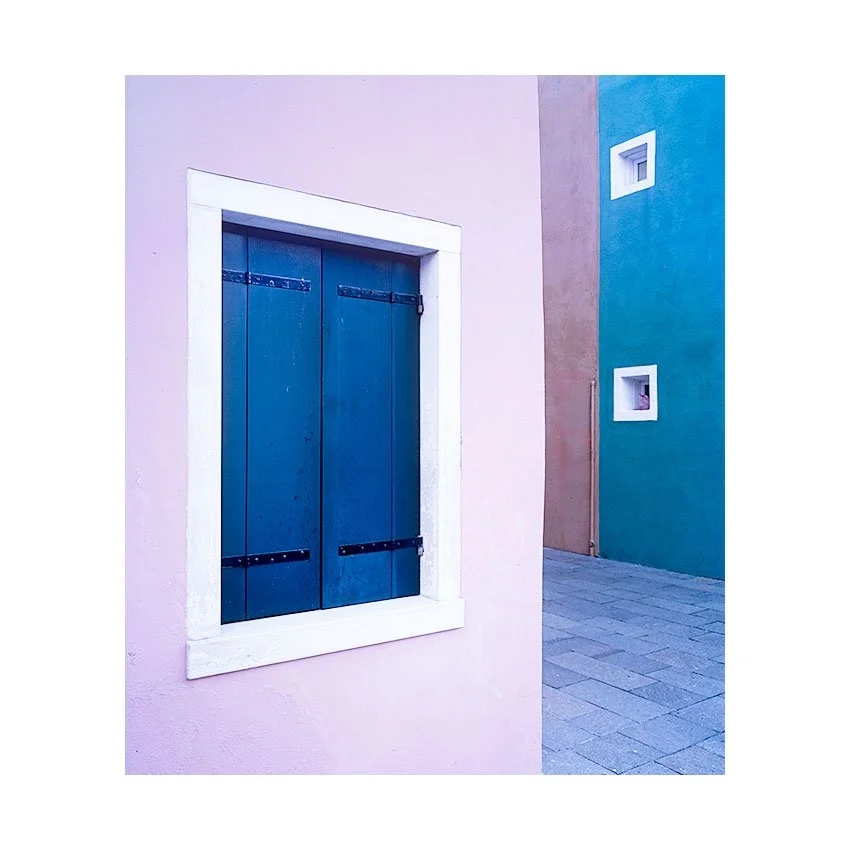
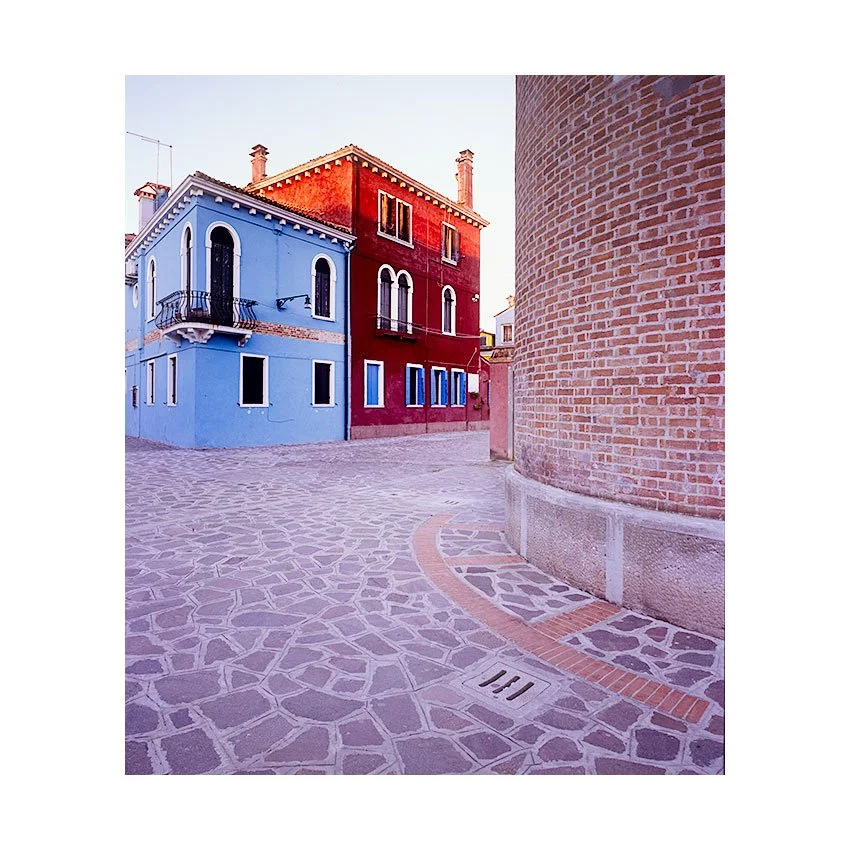
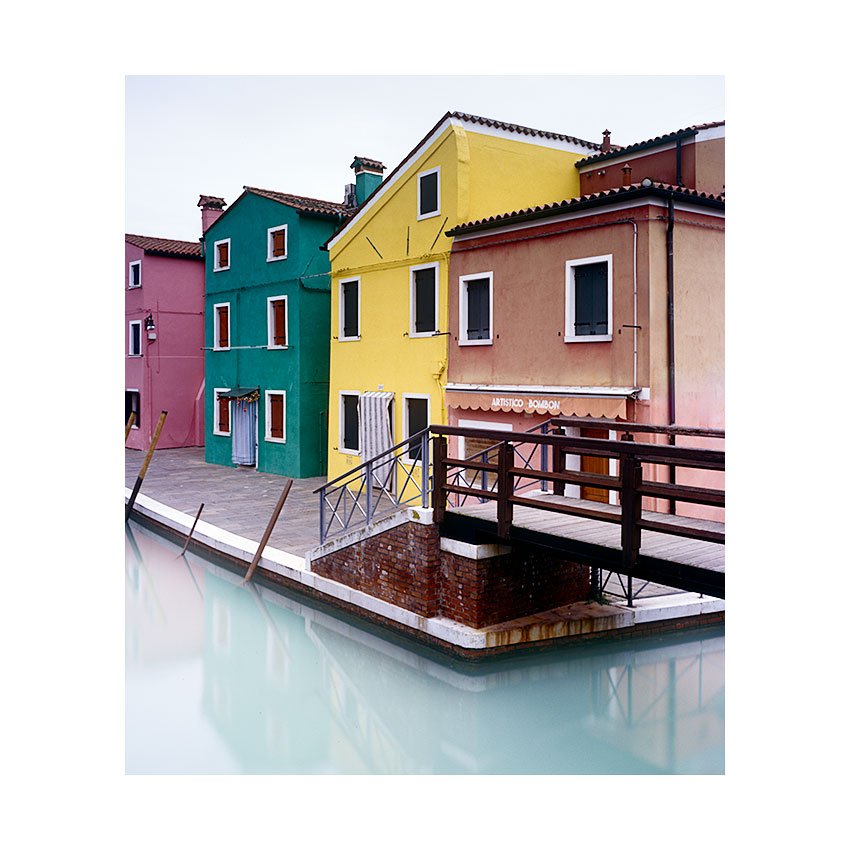
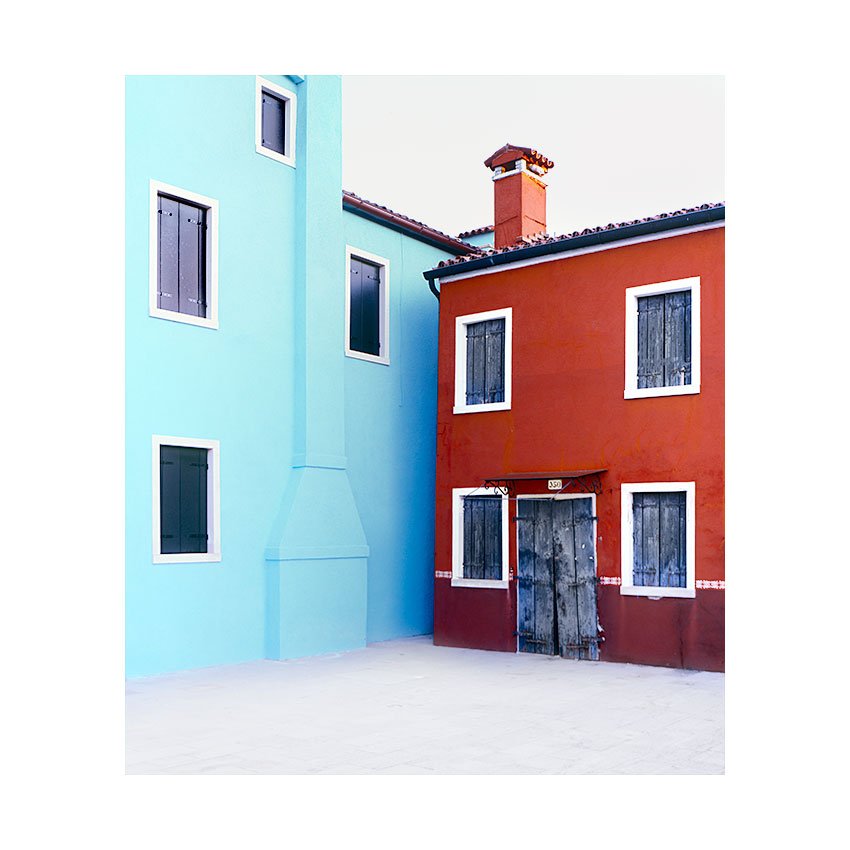
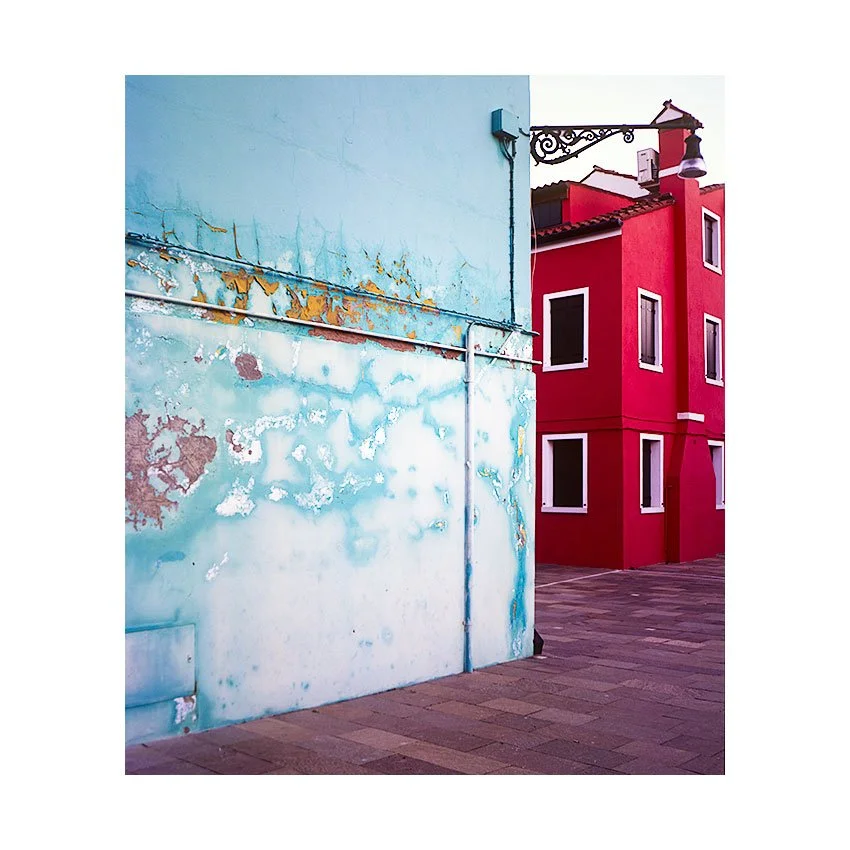
How I responded to the street scenes in Burano Italy was mostly due to how I felt about the colours and the luminances of the light the afternoon I went for a 2 hour shoot.

Colour is an emotion. Contrast is also an emotion. How the light interplays with our subjects can shape how we explore our subjects and interact with them during a shoot.

I know if I went back to Burano today, to walk the same streets, in the same order, I could not reproduce what I shot above in the same way. The light would be different, and my eye would be attracted to different things.

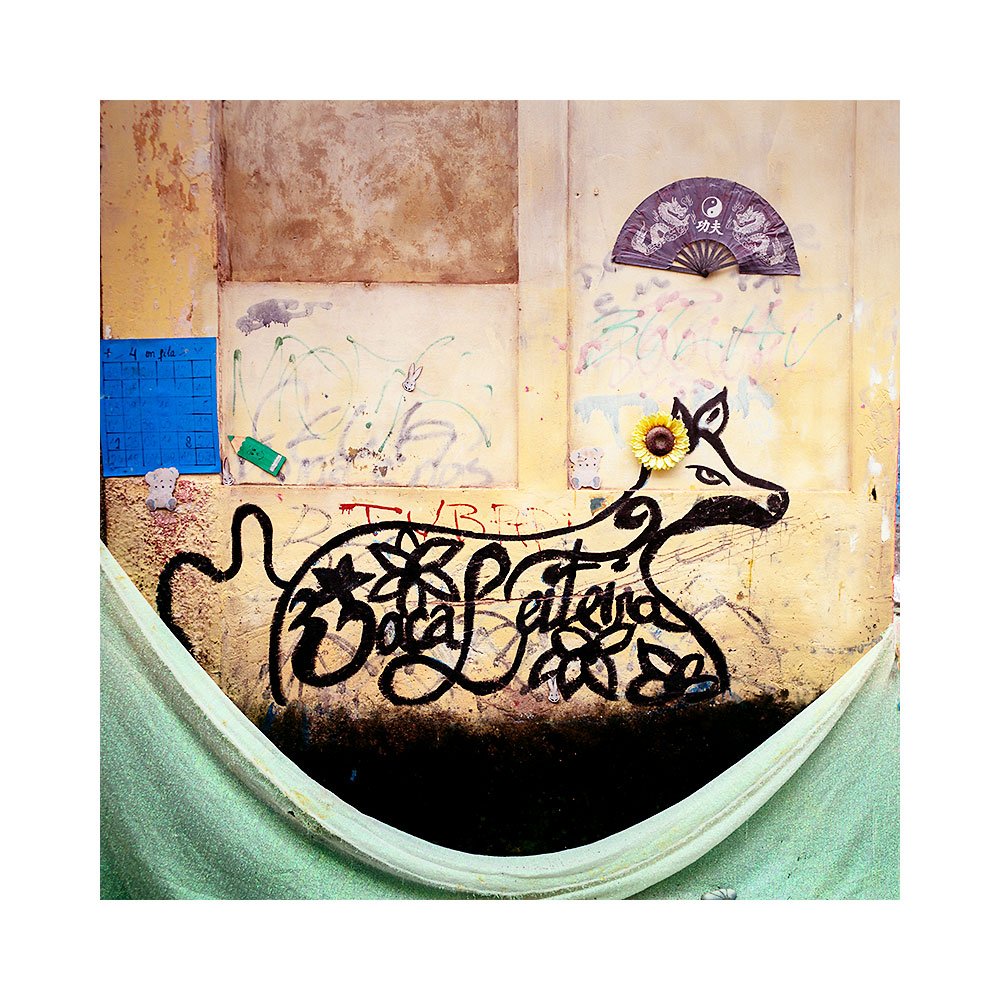
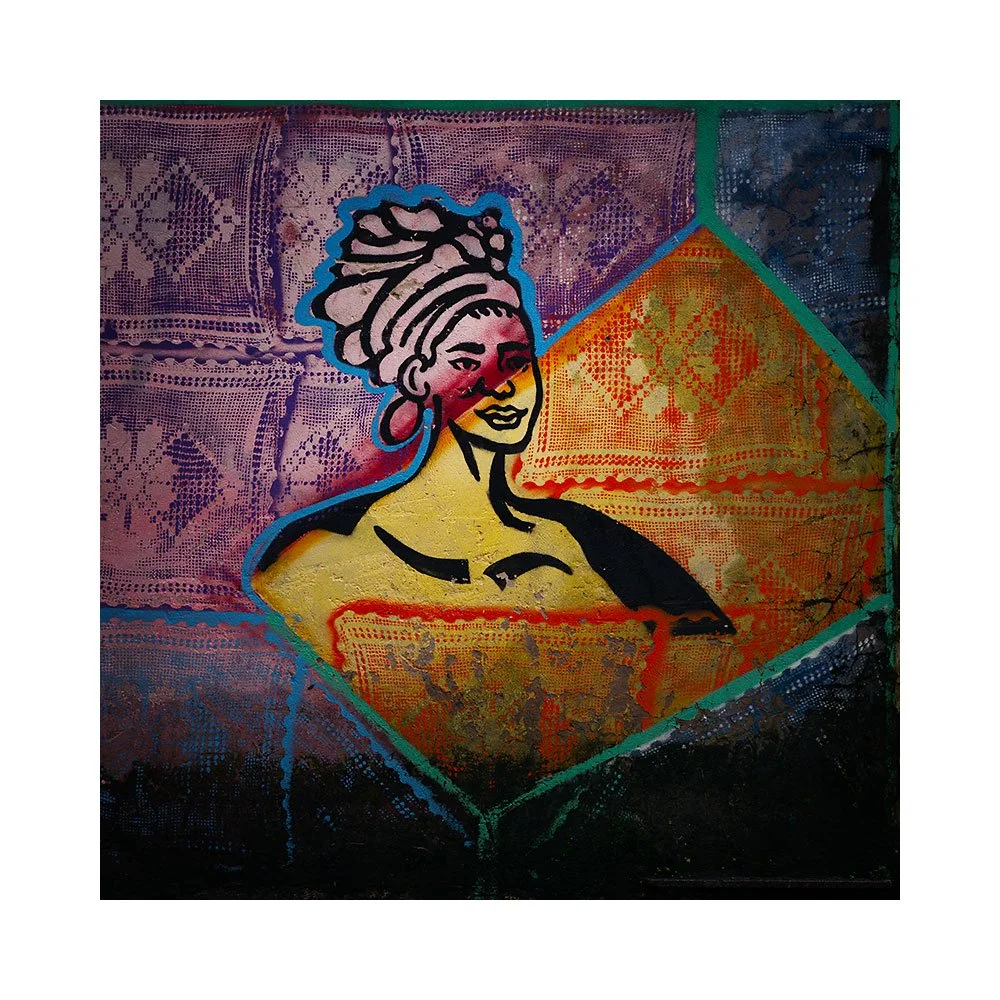
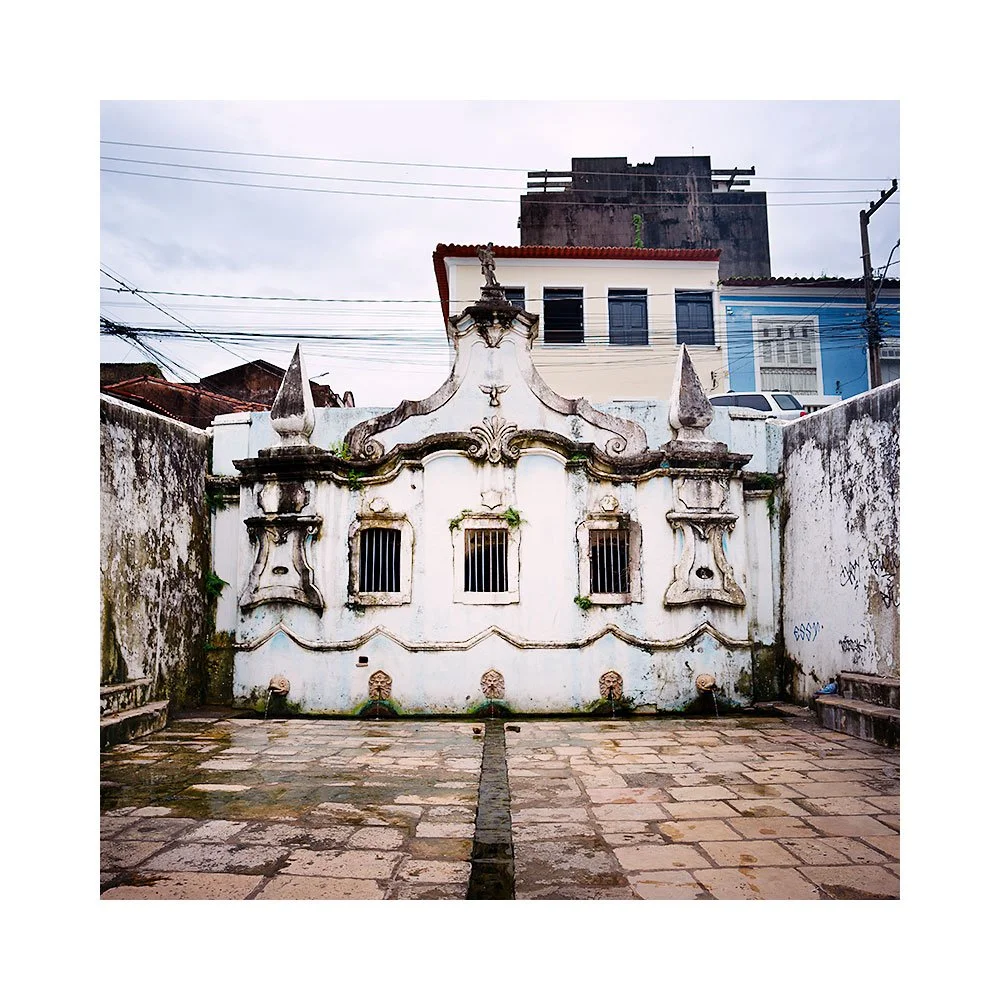
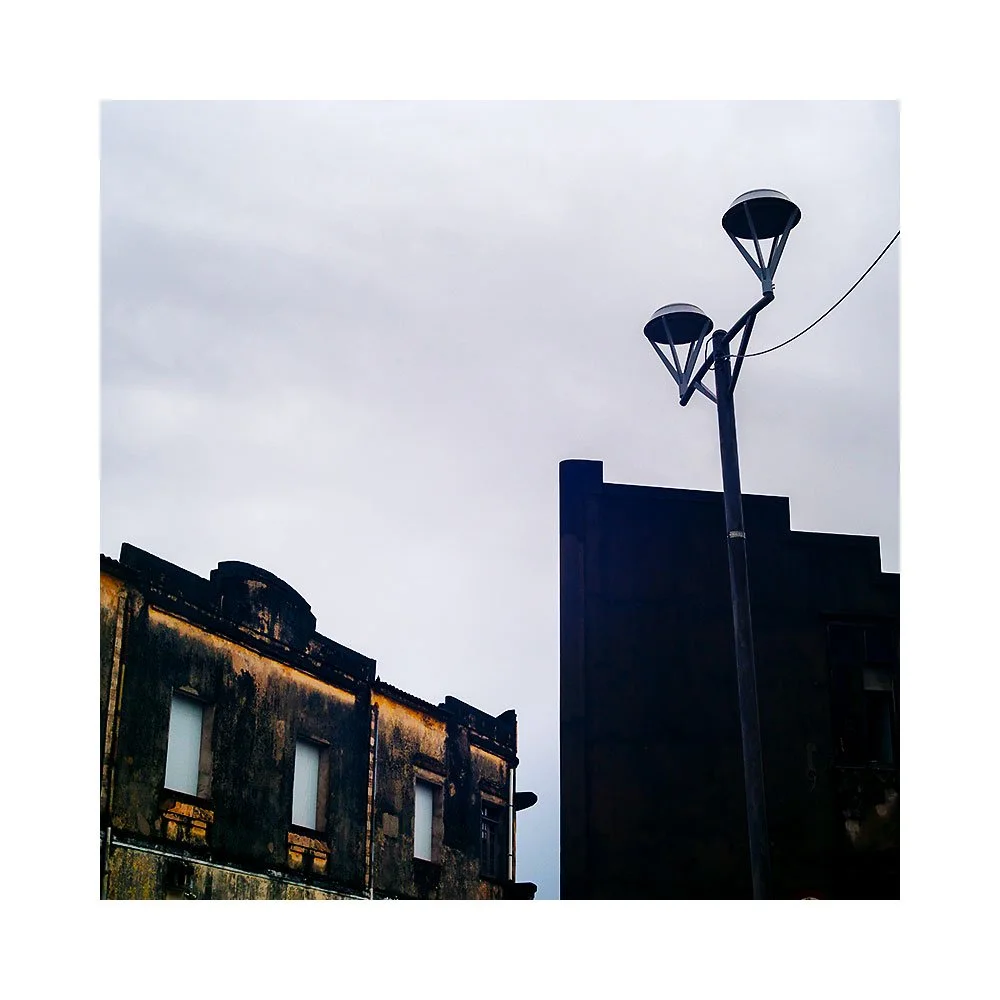
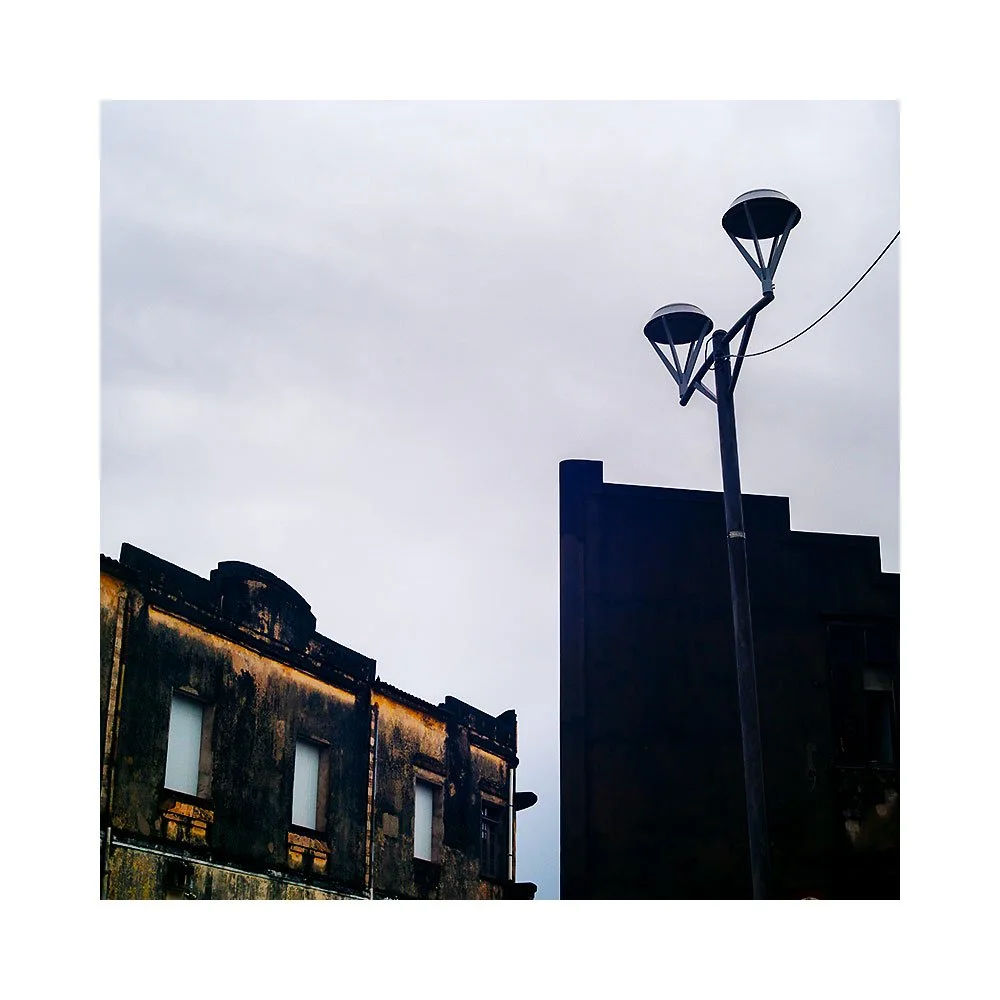
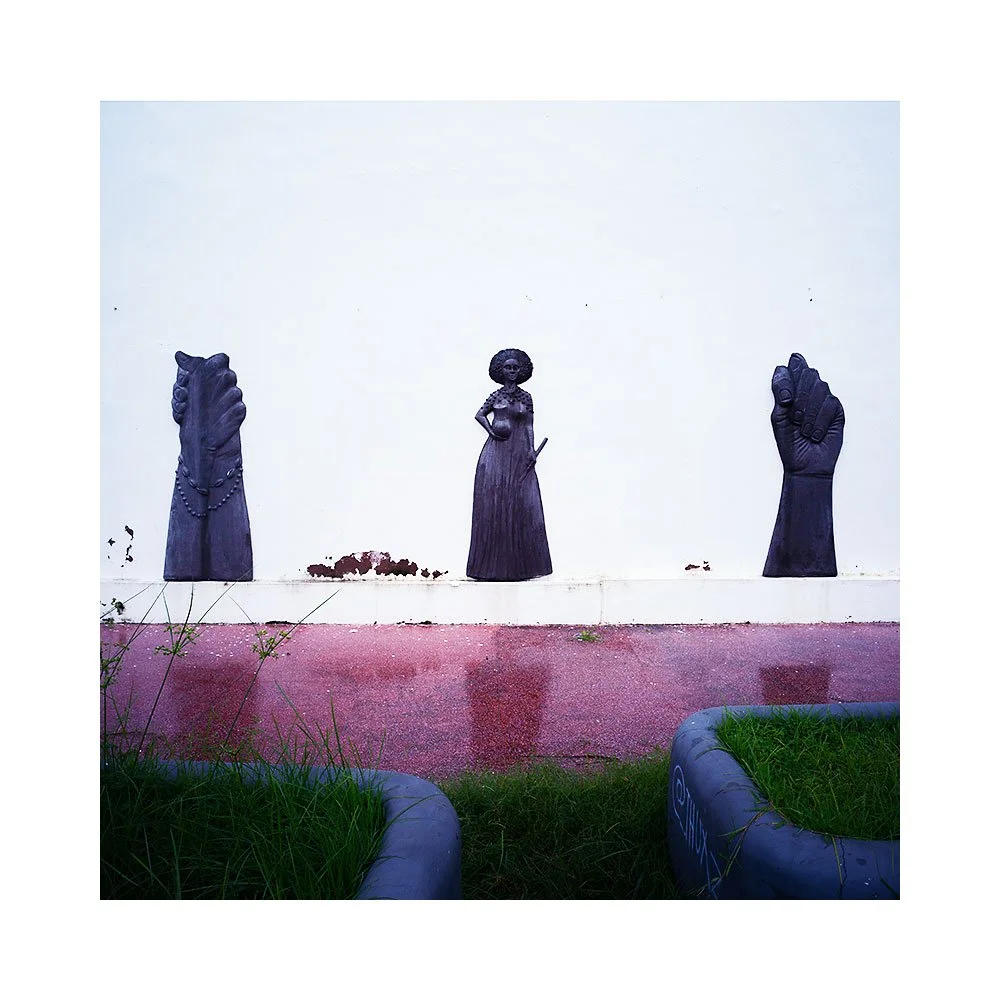
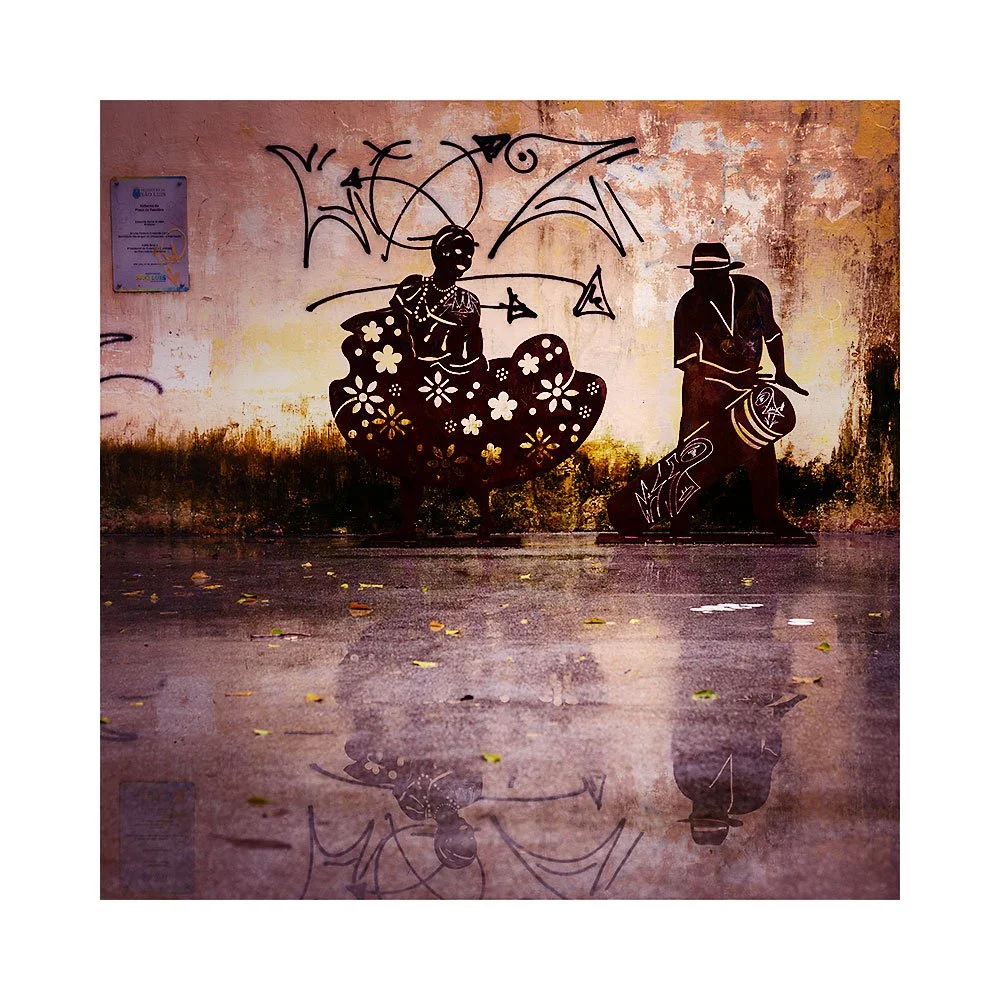
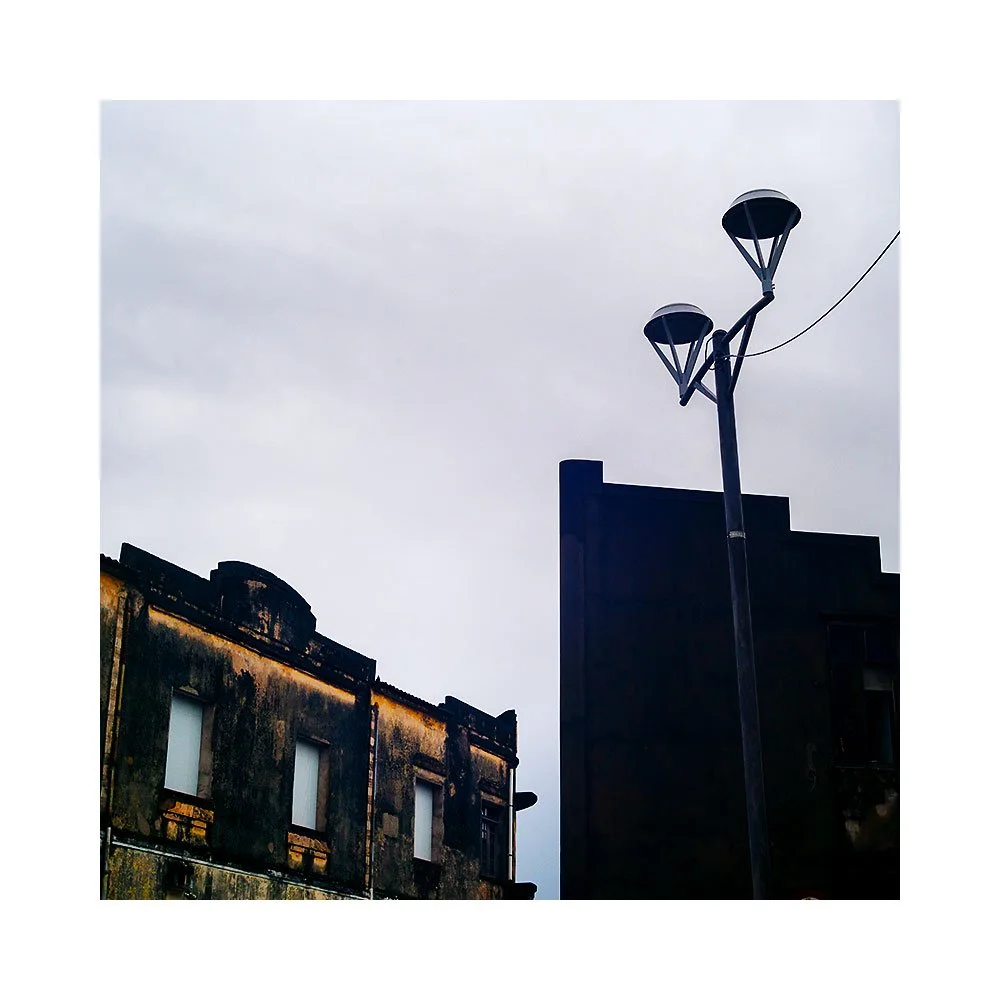
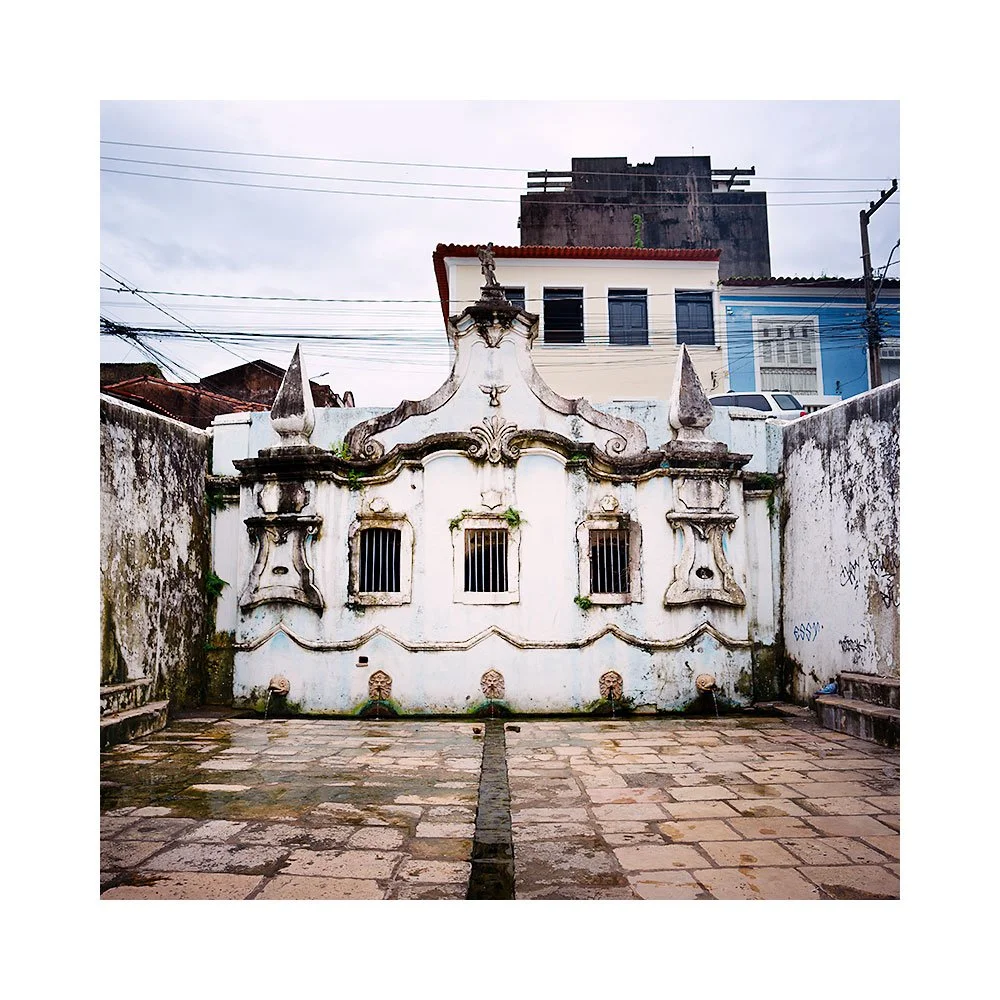
Similarly, I know if I tried to reproduce the images I shot recently in Sao Luis, Brazil, they would not be the same. The day I shot the images above was a rainy day. The walls were dark with dampness. Earthy. Less vibrant. Daylight colour temperature. I think Sao Luis like’s to be this way. It’s sitting in its humidity slowly collapsing into the earth that supports it.

I often like to think about each of my shoots as a performance. Each new location I go to, has a natural time to be walked through. There is a finite duration for me to wander around and play with what’s there. It is also dependent on when I arrive there as well, and I’m always wary of going to a location too early in the afternoon, because I may have walked through it all, and explored it before the light I love has arrived. I know in my heart that I cannot repeat the performance of walking through the same streets, and of capturing the same images again in better light. It just doesn’t work that way.

Shooting is definitely a performance. It has a beginning, a middle and an end. It has a final outcome.

And like all performances, what we encounter as we travel through a landscape or a city is never repeatable in the exact same way. Variances of light, variances of colour, also our own internal moods shape how the performance unfolds. And that is just fine. That’s what I love about it all.

I enjoy thinking that each portfolio I create, is a little play of sorts. A document of my time. A unique performance.

As it is for everyone with a camera.

Sao Luis, Brazil

I’ve just arrived in the historic centre of Sao Luis Brazil. I’ve been coming here now since 2018 and this year I decided to take some time out before my landscape tour, to do some street shooting (mostly for a bit of fun).

I’ve found that Sao Luis is very similar in terms of vibe to Havana Cuba. The Portuguese buildings are dilapidated, crumbling, and the weathered walls of them are incredibly beautiful to look at.

I decided to buy a digital camera. A really old one. One that, if I drop it, or it gets damaged in bad weather, I won’t be cut up about it. But I also decided to get a rangefinder digital camera because I have always loved the simplicity of rangefinders. This is after all, how I started out. My main camera of use for the first decade or so of my photography was a Mamiya 7II camera. And I had a particular love of the Voigtlander Bessa R3A.

With simple cameras, you know what you’re dealing with. These systems have Aperture Priority, exposure compensation and an aperture ring. That’s about it. It also has aspect ratios built in, which can be configured very quickly by pressing the up-arrow on the navigation buttons, to cycle through a small number of the most ratios : 3:2, 1:1, 6:7, 16:9 if I use the EVF with it.

Limitations brings clarity of intention to our approach.

Limitations force us to narrow our focus.

Limitations enable creativity.

Portraits and landscape work, are for me, one and the same

I am sure this is not the case for many. But I believe that once we get underway at making portraits of people, we can often find that the skills required have an overlap, if not the same, with our landscape work.

As time has passed, I now feel they are one and the same for me, certainly in terms of visual message.

On being a Photographic Artist

Before becoming an Artist, you begin your journey by emulating your heroes. Maybe going to the same places as them, even copying their compositions. It is in my view, a rite of passage that anyone starting in the creative arts must go through.

As time passes, if you are fortunate enough, your path should divert away from the things you emulate and copy to a place where you find your own voice.

But to create work that is uniquely yours, you have to become an Artist.

Being a Photographic Artist, is much like being any other kind of Artist:

  • Artists know that having talent alone does not make them an Artist.

  • Artists find and follow their own path.

  • Artists understand that following their own path will be a lonely pursuit.

  • Artists are driven to do what they do. They can’t ‘not’ do it.

  • Artists seek to express what comes from within.

  • Artists trust their intuition and judgement.

  • Artists do not need or seek validation.

  • Artists know that creating the work is, in itself, the reason for being an Artist.

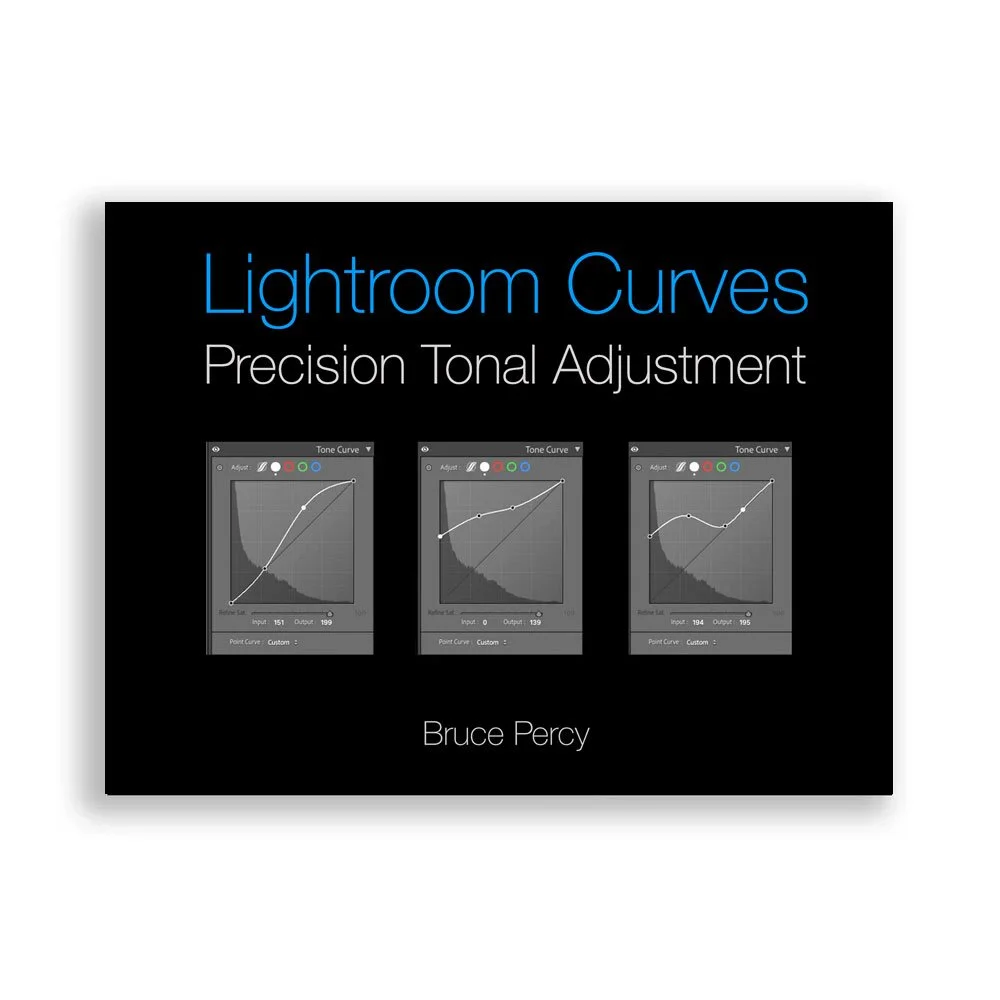
Lightroom Curves, Precision Tonal Adjustment

I’ve just completed the writing of my Lightroom Curves’ ebook. I still have to work on the video examples that will accompany it, and I don’t have much free time right now, so I am now anticipating a late summer release.

I thought I should perhaps give a little bit of background for why I’ve created this e-book:

I’ve been a Photoshop editor for over twenty years. Once I had found the Curve tool and masks, I saw no reason to look for anything else and over the decades of using Photoshops Curves and masks, my resolution has remained unchanged. For me, Curves should be in every decent photo editor, and it should be implemented in a way that you can create masks and localised control. Photoshop gave me this from the onset and so, I have never found any reason to move away from it, and indeed feel that everyone who edits photos should adopt an editor that has a good implementation of Curves.

Additionally, I have found that Curves has a depth to it that I did not even know were there when I first started using it. Any beginner can start to use Curves straight away. But most, in my view, never truly learn it and thus tend to not fully realise the possibilities it has to offer.

Curves is easy to use, and therein lies a problem: most assume that the obvious tonal adjustments are the extent of what can be done with it. But more I have used it, the more I have realised that it can be highly nuanced, allowing for a precision of tonal control I cannot get from any other means. But this can only happen, if one truly understands what the tool is doing.

So around 2016 I wrote an e-book about ‘Advanced Curves’, to demonstrate the power of the tool and to encourage the occasional or light Curves user to delve in further.

Then recently, on a workshop, I discovered that Adobe had finally implemented Curves in Lightroom’s Mask tool. This has, in my view, moved Lightroom to another level. I had never enjoyed using Lightroom because it lacked localised Curve adjustments. That has now changed.

I’m passionate about Curves. I think everyone should know it, use it and adopt it for all of their tonal adjustment needs. But they need to understand it. And so that is why I have now translated my ‘Photoshop Advanced Curves’ ebook to the Lightroom platform.

This e-book is therefore my encouragement for regular Lightroom users to adopt Curves as their ‘one stop shop’ for tonal editing.

By learning and adopting Curves, Lightroom users will be able to execute precision control of their tonal edits.

Rather than iterating around the conventional route of exposure, blacks, shadows, highlights, whites and contrast controls hoping to get ‘close enough’ to the desired tonal response, Curves gives you a single control that allows you to pinpoint exactly where you need to change tones and to bring about the exact feel that you are looking for.

Lightroom Curves

Just a short note tonight to say that I’m almost finished converting my ‘Advanced Curves’ e-Book which was originally written for Photoshop users, to a format ready for Lightroom users.

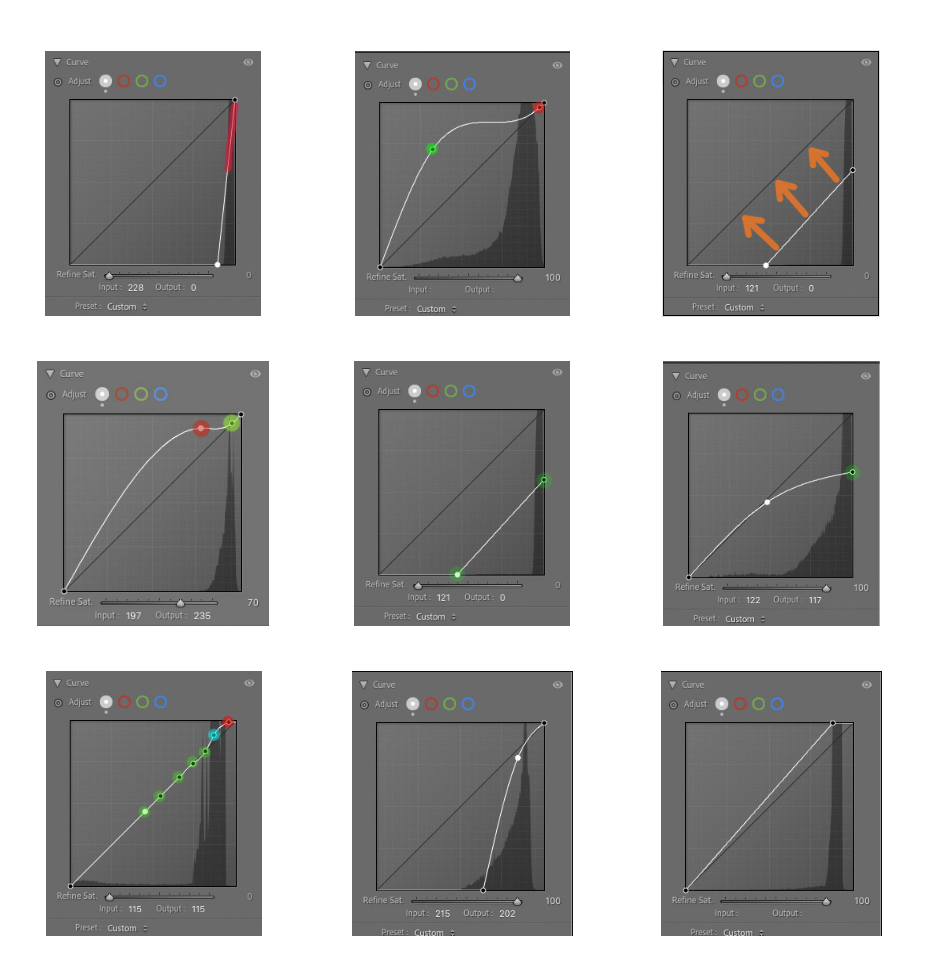
Here are some of the curve adjustments from within the book. I am wondering how many of these curves are familiar if you are a Curves user?

Curves is like a musical instrument. The first few years with it, I learned how to play a few chords with it. A couple of melodies. Had a few stock Curves I would utilise again and again. My repertoire would slowly expand over the years as I learned to ‘see’ tonal issues in my work. Two decades later and I feel it has become an instrument I would not wish to be without, but at the same time, now realise that I will never finish exploring what it can do. It’s just so powerful, and when I want it to be, it can also be extremely nuanced.

I don’t use any other tonal adjustment tool. It’s always Curves. And yet I realise for many, it can be so easy to underutilise it.

Which is why I felt strongly about writing my Advanced Curves e-book for Photoshop to begin with, and also why I wanted to write an edition for Lightroom users.

I’m pleased to say that I have finished translating the e-book and have a version that is ready for Lightroom users. I just need a few more weeks (workshops / tours permitting) to tie up the loose ends now. I am mostly there.

Moya Brennan

I heard today of Moya Brennan’s passing. The album ‘Macalla’ by Clannad is one of my personal favourites, and is one of those albums that has kept me company through my life since I first heard it in 1985 at the age of 18. I had no idea back then, that it would become a regular companion to my life.

Rarely for me, do I get my artistic inspiration from actual photography. It is as though my photography comes through my love of the outdoors and the other things in life that affect me. Instead, I get so much artistic input and inspiration from reading, stories, films, experiences and of course music.

Music, has the ability to make me feel things that no other artistic medium can. Songs become highly personal and I am sure many of us can relate finding that certain songs will take us back to times in our lives. Whether we want them to or not.

I’m sorry to hear about Moya’s passing today. Such a beautiful voice and gifted cláirsearch player. Thank you for the beautiful music.
Intermission

I’m sorry I’ve been quiet of late. Truth is, I’d hoped to take off some time for a long while now, and this year I’m taking a bit more time out of my photography life, to have a break.

I haven’t been posting much on the blog, and mostly that is because I’m recharging by doing other things that are non photography related.

Anyway, I stumbled upon a keynote presentation today that I gave to the Royal Photographic Society back in February 2025 and thought I would share.

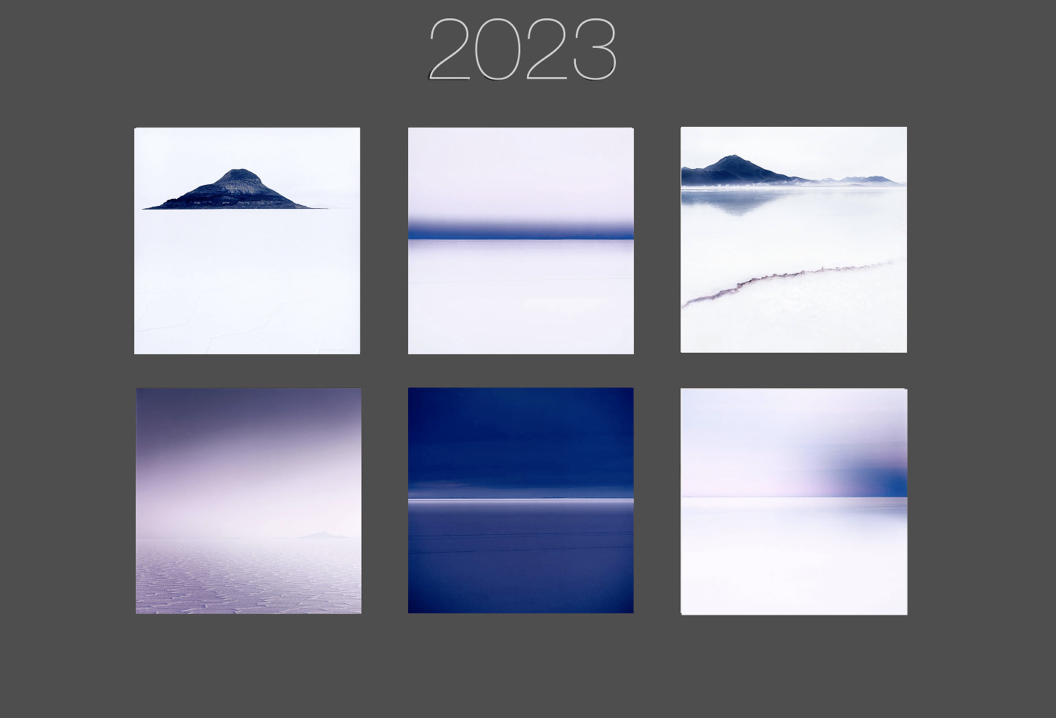
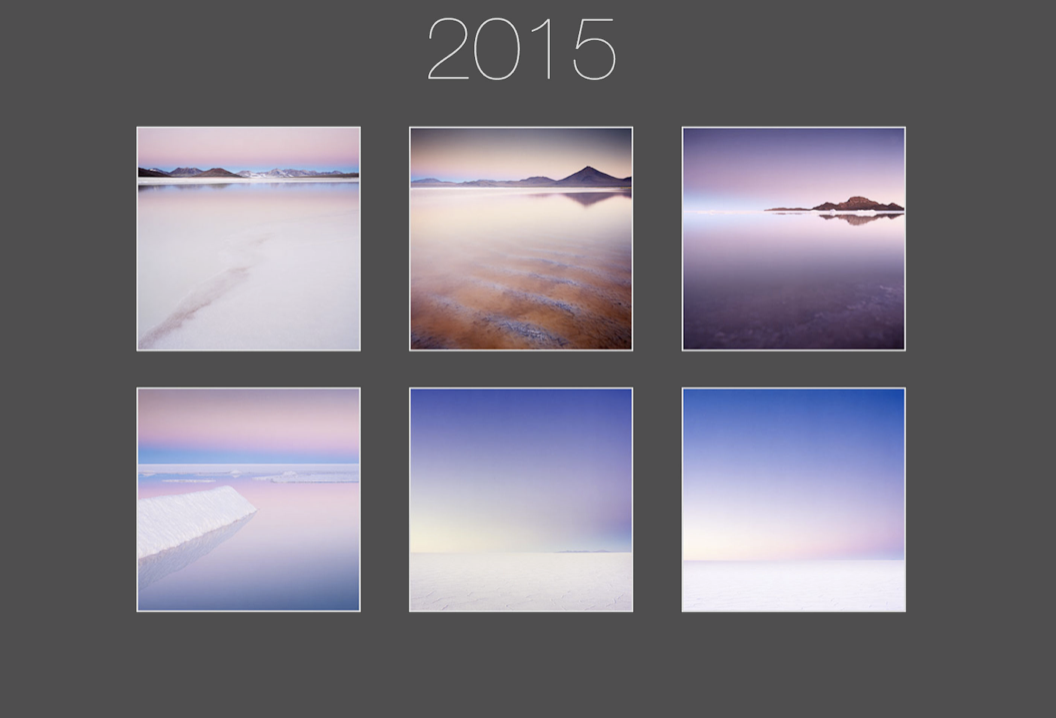
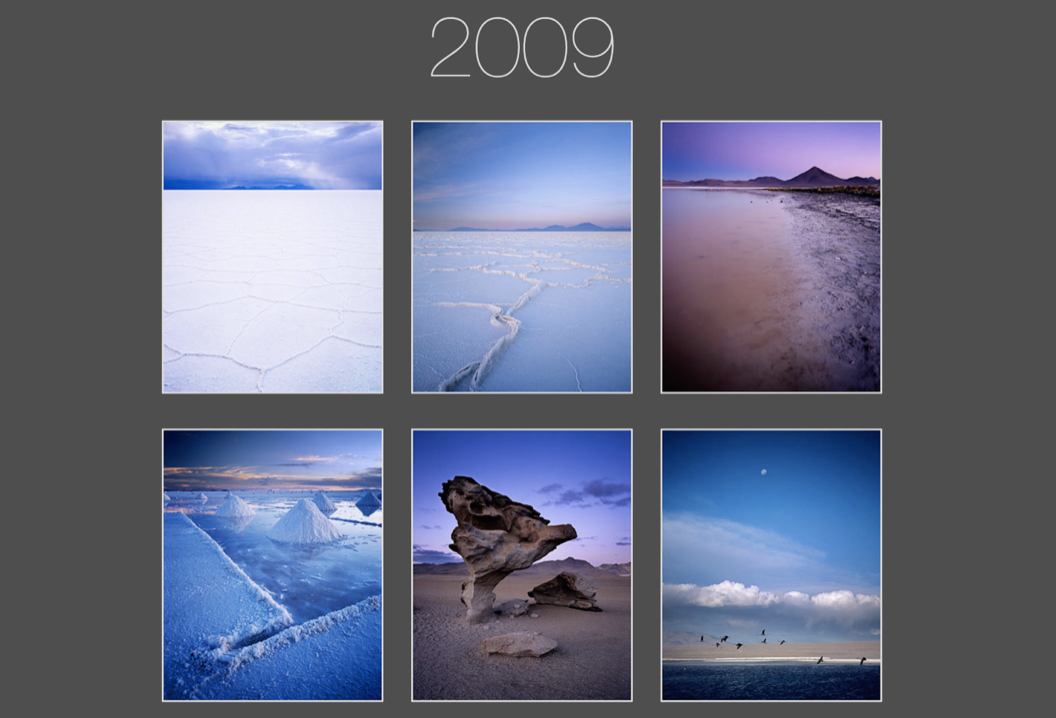
I think my work got very graphic and minimal around 2023. I would say I’ve relaxed off this approach a bit at the moment. Not through any conscious decision. I always just follow wherever my art takes me. But I am still very proud of this work and when you review it with the work made in 2015 and then during my first visit in 2009, you can see that I was on a path to simplifying what I do.

I cannot really explain or describe it. I’ve never been that interested in photography as some kind of ‘record of reality’. It is what we wish to make of it, and I am more interested in the interpretive side of things.

Often our previous work shows signs of where we’re going. I think these signs are much easier to see when we are looking back at the audit trail.

I will be in South America for all of May. Back home in June. Maybe I might post something whilst on my travels. We will see. Until then, if you are ever feeling tired, or saturated with your photography, sometimes the best thing to do is take a break and go and do something else. You might just be needing to step away for a while, before reconvening with new enthusiasm.