City Lux - Ray Metzker

“A fine blend of street and abstract”

I’ve been a lover of street and reportage photography for as long as I’ve been a landscape shooter. I don’t get much of a chance to make environmental portraits as much as I’d like, and in recent years I’ve been trying to get some projects going where I am shooting more of this, but it’s been difficult, due to my landscape workshop schedule.
One of the ways I always like to seek inspiration is in a good photographic book. When I have had periods of burn out, or feeling I need inspiration, I have sometimes returned to some of the books I first got into. They are often a reminder to me of why I got into photography in the first place. It’s good once in a while to reconnect with your earlier self. It’s perhaps a bit of a mental ‘check in’.

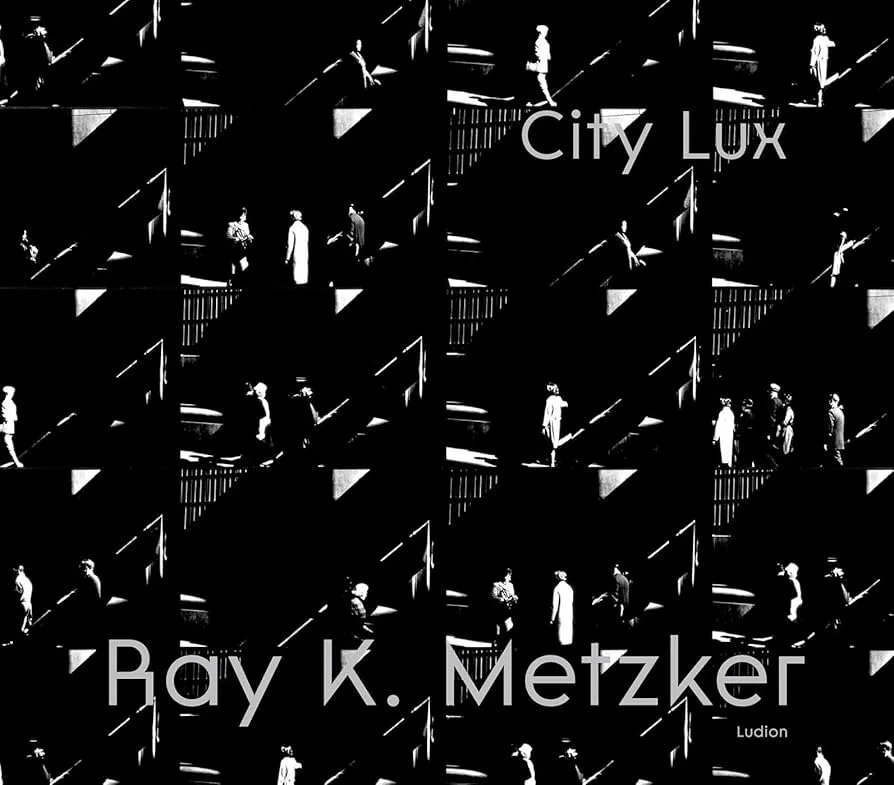
Recently, I bought some new photographic books, for some inspiration, and this one - City Lux’ by Ray Metzker was the top priority for me. A photographer who’s books have been out of print for a very long time (and cost me a small fortune to buy), Ray Metzker’s work is a beautiful blend of street and abstraction.

Just check out the cover of the book. Upon first glance once may be forgiven for thinking they are looking at abstract shapes only. Upon further inspection one may also be forgiven for thinking it is the same repeating image, but it’s not. The cover appears to be a contact sheet. Each frame slightly different. Same vantage point, but with different subjects walking into the rays of light that enter the scene.
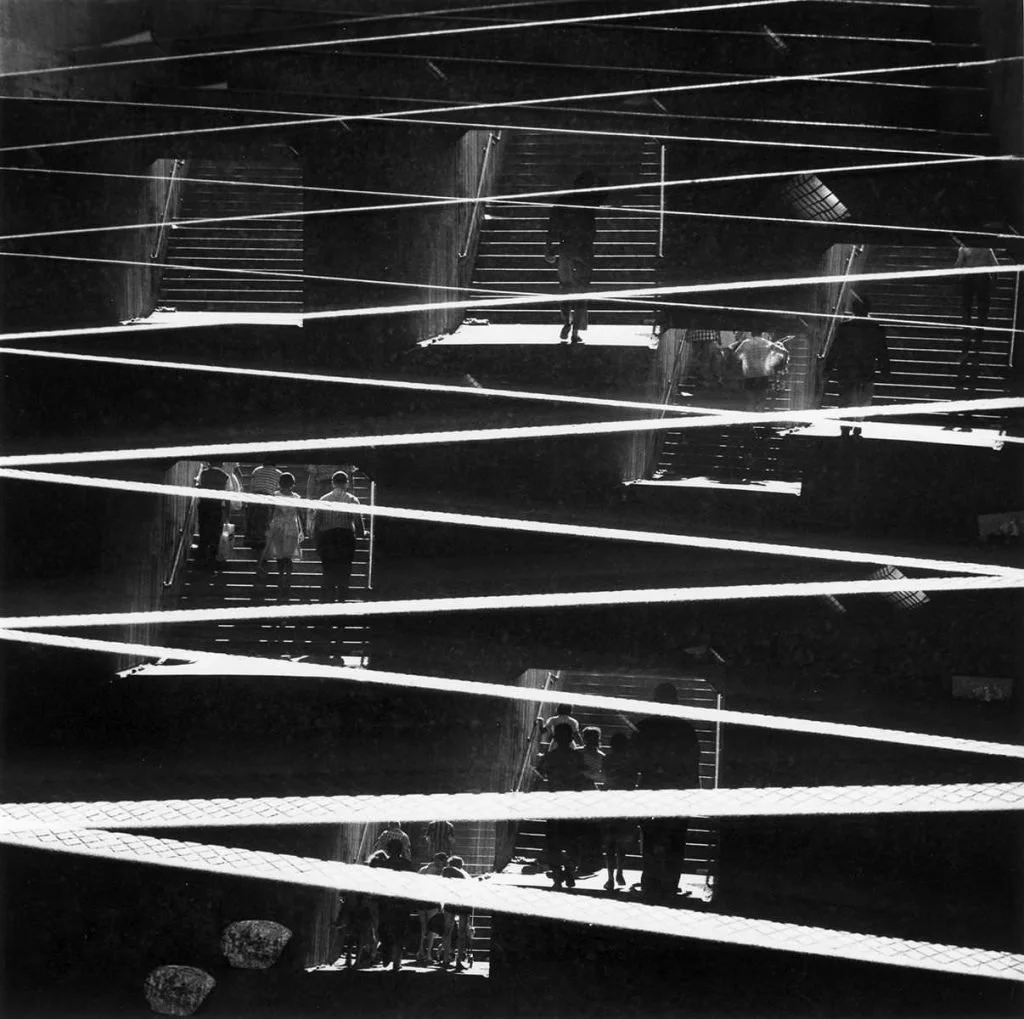
Ray’s work was all about embracing shadows. Much mystery can be imparted when areas of the frame have no detail whatsoever. Highlights are treated similarly, often with his prints having no mid tones. He is looking to reduce a scene down to it’s structural framework.

But as the contact sheet provides, he understands that shooting for graphic qualities first means finding a location where the light works to his advantage and then waiting for subjects to enter the scene. Planning, recognition of a location that may work, and then adding in the chance encounter. A beautiful blend of planning and experimentation - all there in the contact sheet for us to study.
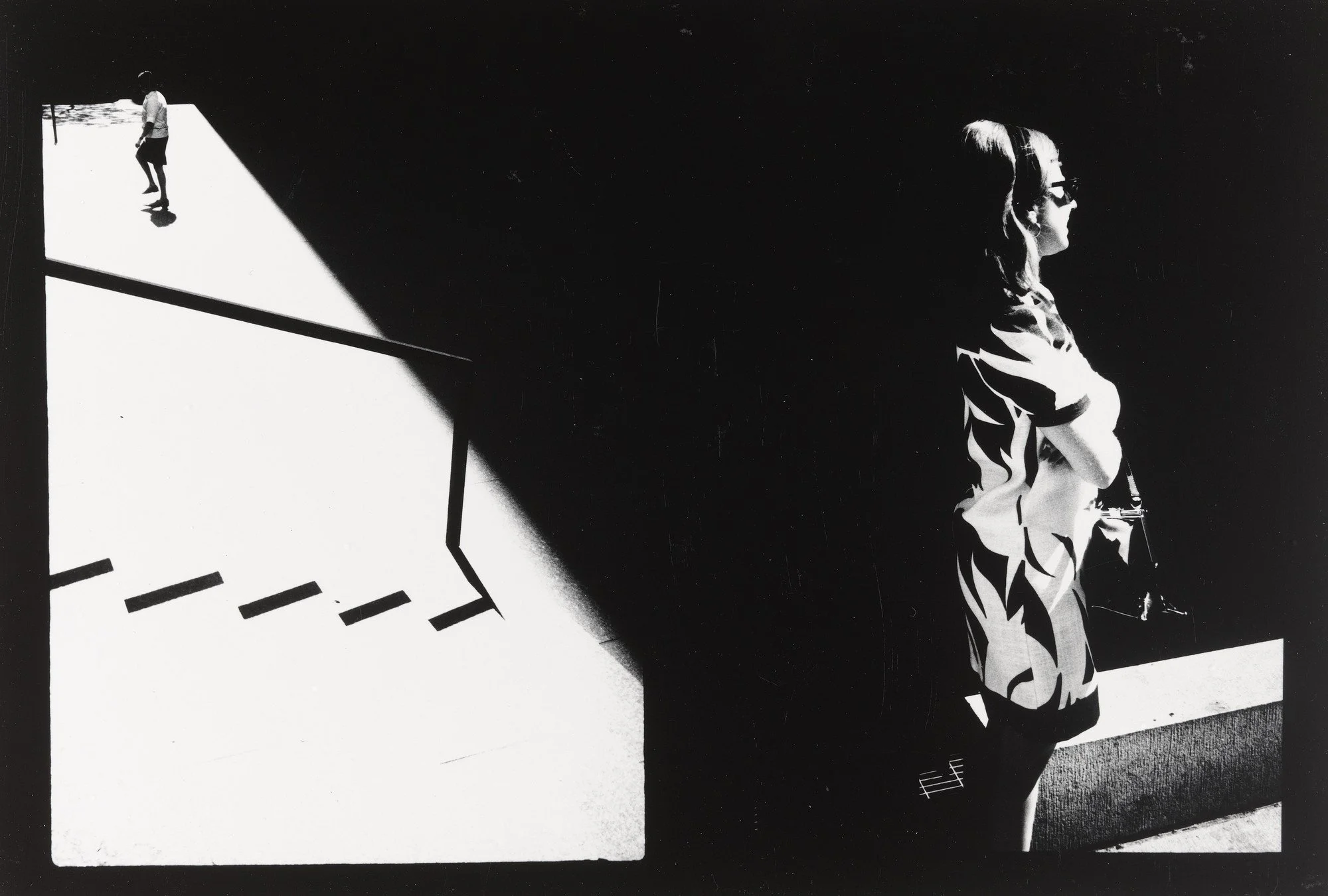
And Studying City Lux is an education. Not only in utilising spaces, but also at working with the unexpected.

These abstractions, or mirrored patterns are often emphasised by the way that Metzker has chosen to print his work. Seeing extremes in hi-key tones and absolute blacks, we are left with nothing more than the shapes and patterns that I think Metzker saw in his mind’s-eye, when choosing what he was drawn to.

The book City Lux is available from Beyond Words here in the UK. Beyond Words is a small independent book shop run by my friend Neil Mclwraith. Neil is a fountain of knowledge about photography books and a browse through his website will probably inform you of photographers that not only did you not know about, but perhaps introduce you to work that you will be glad you found.

If you are interested in buying this book, then please consider buying your books from small independent book shops such as Beyond Words rather than the Amazon’s of this world.
Voightlander 40mm Single Coated Lens

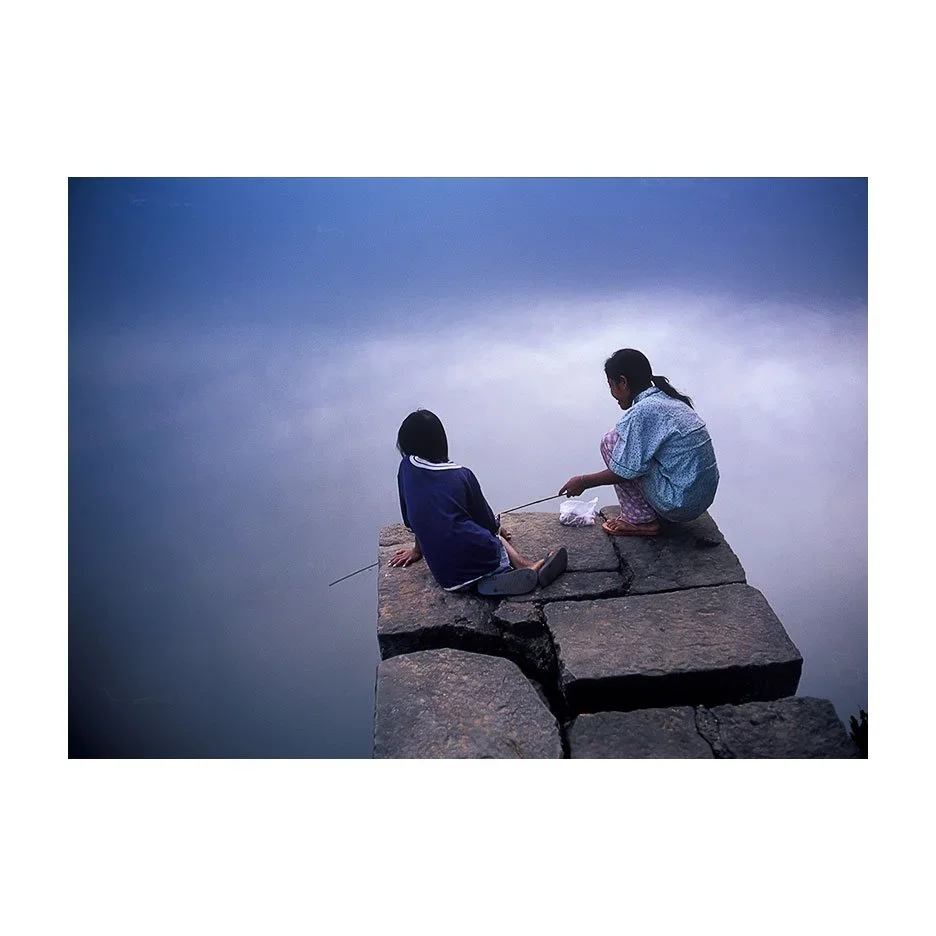
I’ve been fondly thinking back to my first days making street images back in 2005. I made this beautiful image with 35mm film, and when I look at it printed up, it’s beautiful. I think we often given 35mm film a hard time, but also, I marvel at how much this image looks like a medium format image, all because of the beautiful lens (and conditions of the location) I shot it with.

Tonight I chose to buy another Voightlander Nocton 40mm lens. I remember it having some kind of ‘glow’ to it. It is also tiny, and a real joy to use.

Back in 2005, I was keen to try out some street photography. I have a love for street photography books over landscape books.

I decided to go to Cambodia with three systems:

1. Canon EOS 1v
2. Voightlander Bessa R3a
3. Mamiya 7II

The most unusable system was the Canon. Everyone thought I was a ‘pro’ as soon as they saw the SLR. It wasn’t the noise of the machine. It was just recognisable as a ‘serious’ camera.

I got on very well shooting the little Voightlander Bessa R3a because most folks thought it looked like a toy. They either ignored me, or thought me less intrusive. I liked the 1:1 ratio rangefinder window. I could keep both eyes open and watch someone walk into the frame. I also liked the grey colour of the camera. It is somehow less intrusive or noticeable when held up in front of your face.

I also got on well with the Mamiya 7II camera, despite it being large. It is almost silent, and it looks odd, so folks didn’t take me too seriously. Limited by a close focussing distance of a metre or so, it was mostly a contextual / environmental picture making machine. It was nice to use it for street photography for sure. But I think the one I loved the most was the BessaR3a (which is rather poorly made and the paint flecks off the camera body very quickly).

I’m still dreaming of that Nocton 40mm single coated lens. One of the nicest lenses I ever shot, after the Mamiya 7 lenses, which in my view, are some of best lenses ever made.

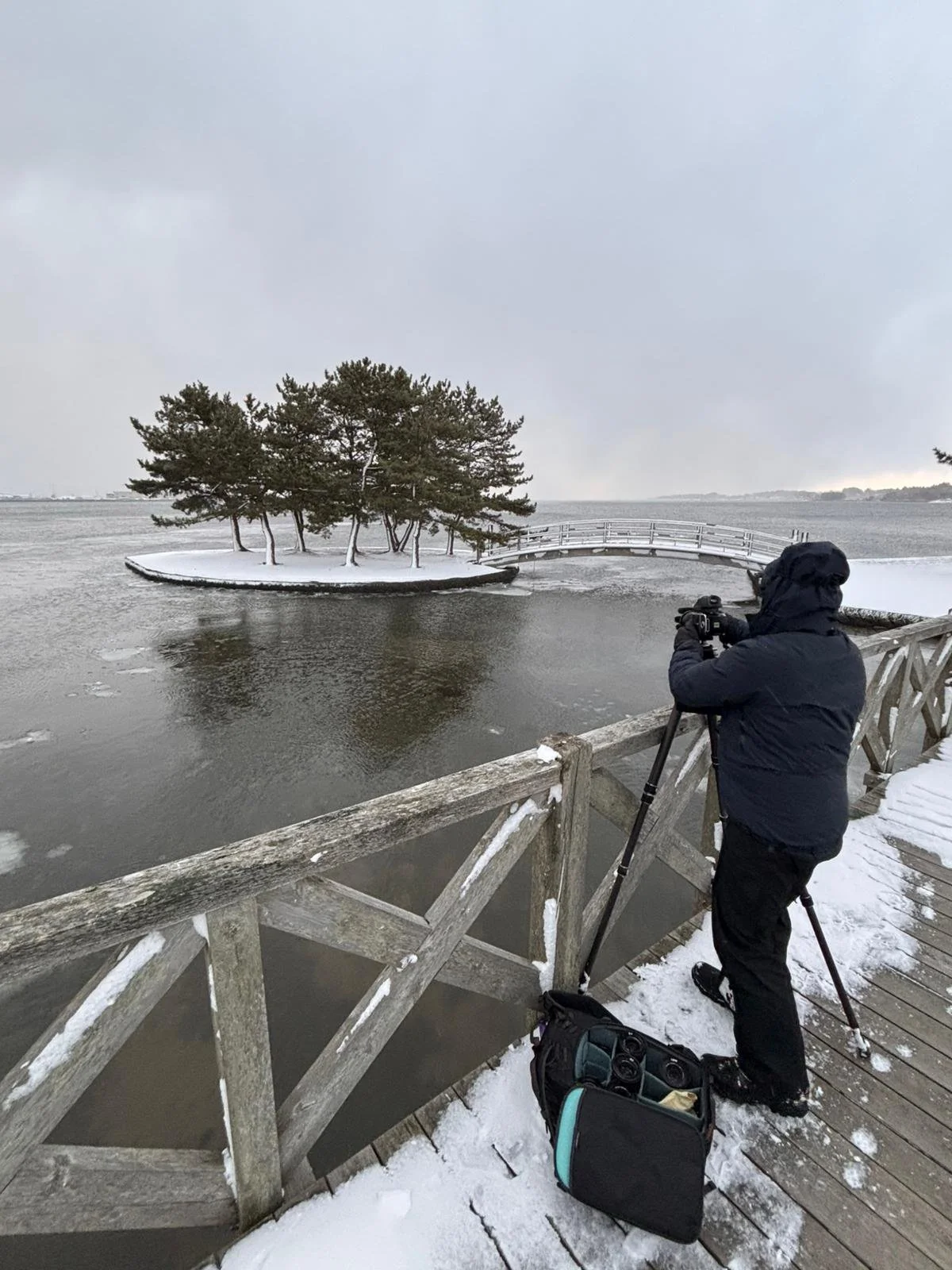
Aomori '26

It was the most wintry, snowy conditions I’ve seen in northern Japan for my three visits so far.

I loved the snow covered trunks of the trees on the island, and the mottled reflection in the frozen sea of Japan.

I’m a film shooter. So for me, I find my mind always remembers the strongest images, or at least the images that made the biggest impression on me at the time of the shoot.

This is important. Impressions are a big deal, and I always think we should listen to them.

As a non-digital shooter, I cannot review the images the night I made them, to find out if I’ve made any errors. This may be a limitation but it is also a positive in the way that I am free to enjoy the evening, because there is no pressure to review the work.

But mostly, I have just had to adopt a philosophical approach to this - I shot what I shot, and I can’t change it. So whatever it will turn out to be, will just become apparent once I am home.

It’s mostly a matter of caring for oneself and one’s own creativity. Compassion is key. When dealing with things that you didn’t get right, or images that you failed to capture, it is always best to treat oneself with compassion. Be kind to your mistakes and above all, be kind to your creativity. Nurture it and try to avoid giving yourself a hard time when you perceive failure in your photography.

Tomorrow, the sun will rise in the east

I’m sometimes asked which photographers I follow, or admire. The root of the question is to find out what inspires me. The question I feel should be re-phrased to ask what inspires me, rather than ask which photographers. Because even if I did have a list of photographers, many would actually not be landscape photographers.

I get my inspiration from anywhere, and one source of inspiration today was this video. The photographer has a great way of interacting with his subjects. I’m pretty much convinced that all creatives tend to be curious.

I loved the message in this video. I thought it inspiring, and Thomas came over as such a lovely man.

You can never escape yourself

I sometimes feel that I just take my sensibilities with me, wherever I go. I make photos that fit my own aesthetic, which I would like to think is the aim for most : to show others what ‘you’ saw.

To find some kind of individuality in what you do, so your work stands out from others. Which I think is extremely hard to do in photography.

Making a nice picture is one thing, but being able to make your imagery stylistically recognisable as 'you' is another thing entirely. It’s also one that I don't think can be consciously worked at. Style tends to surface over time, if it surfaces at all, and it will only surface if we're paying attention, and reviewing our work from time to time.

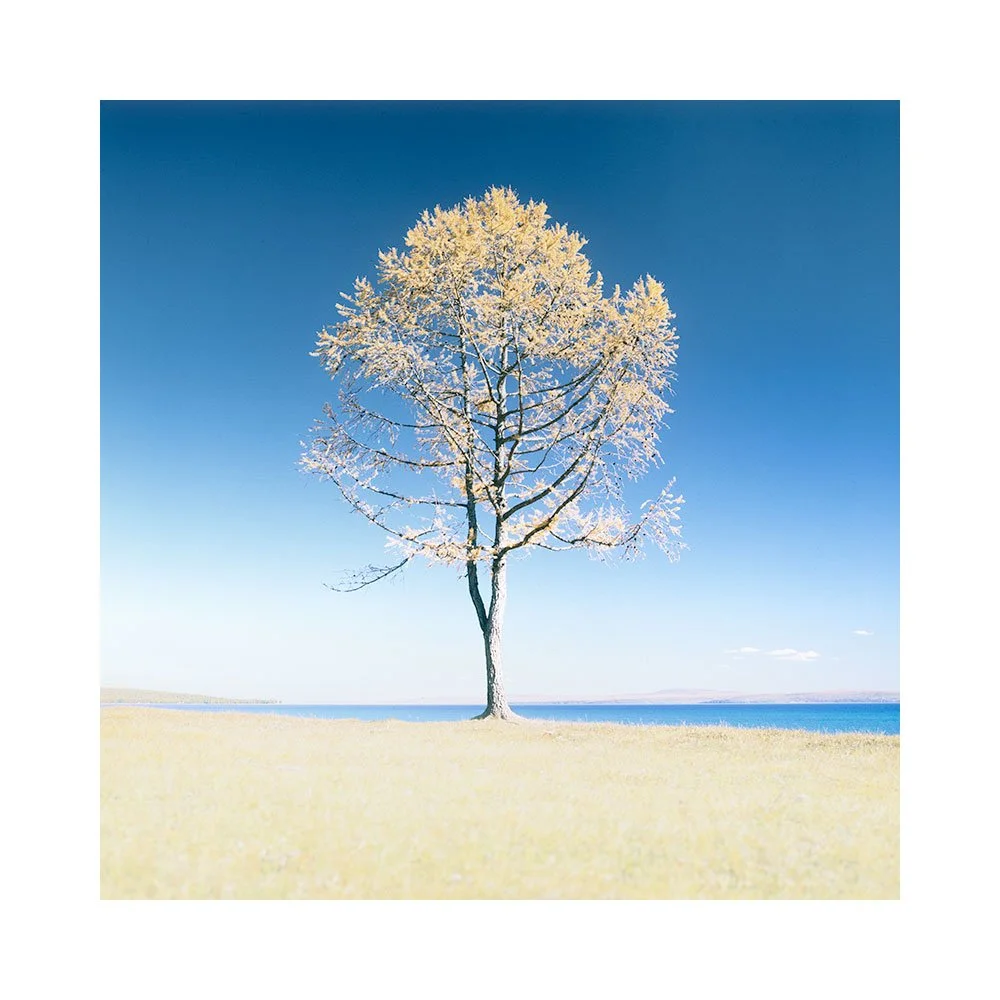
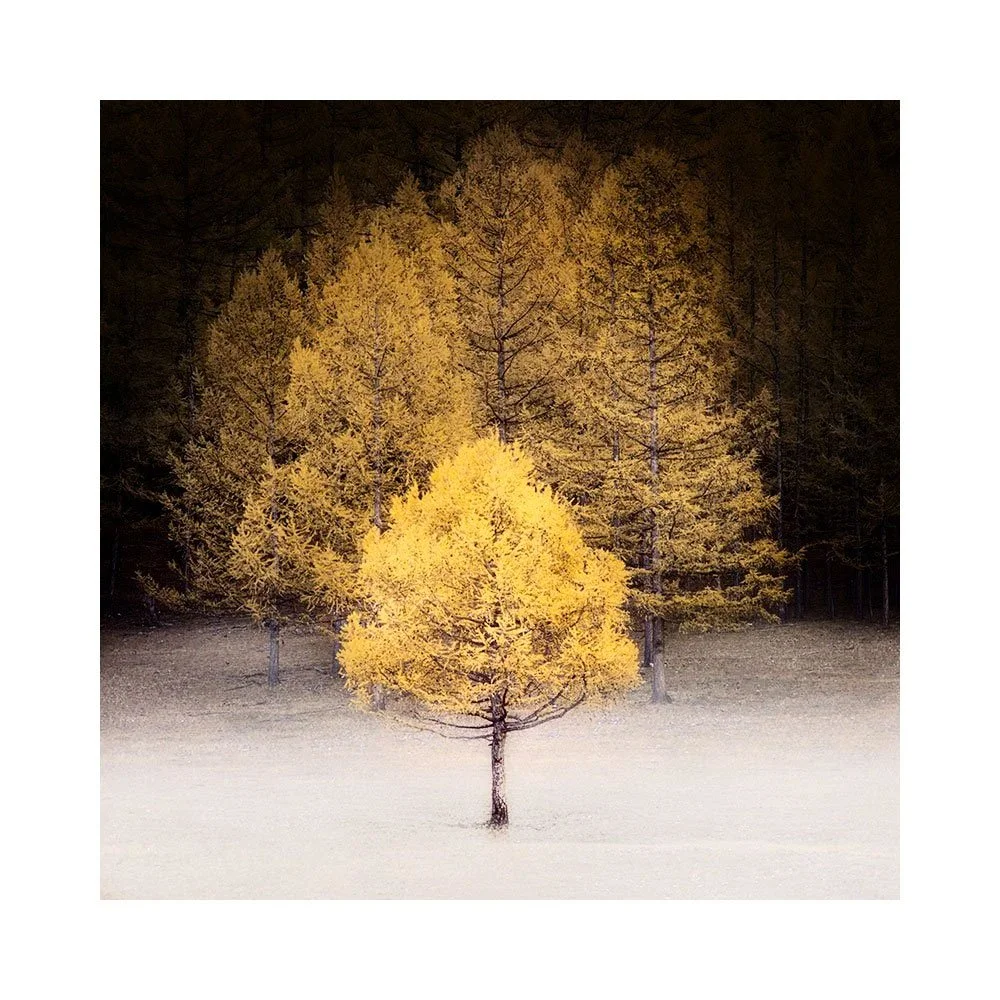
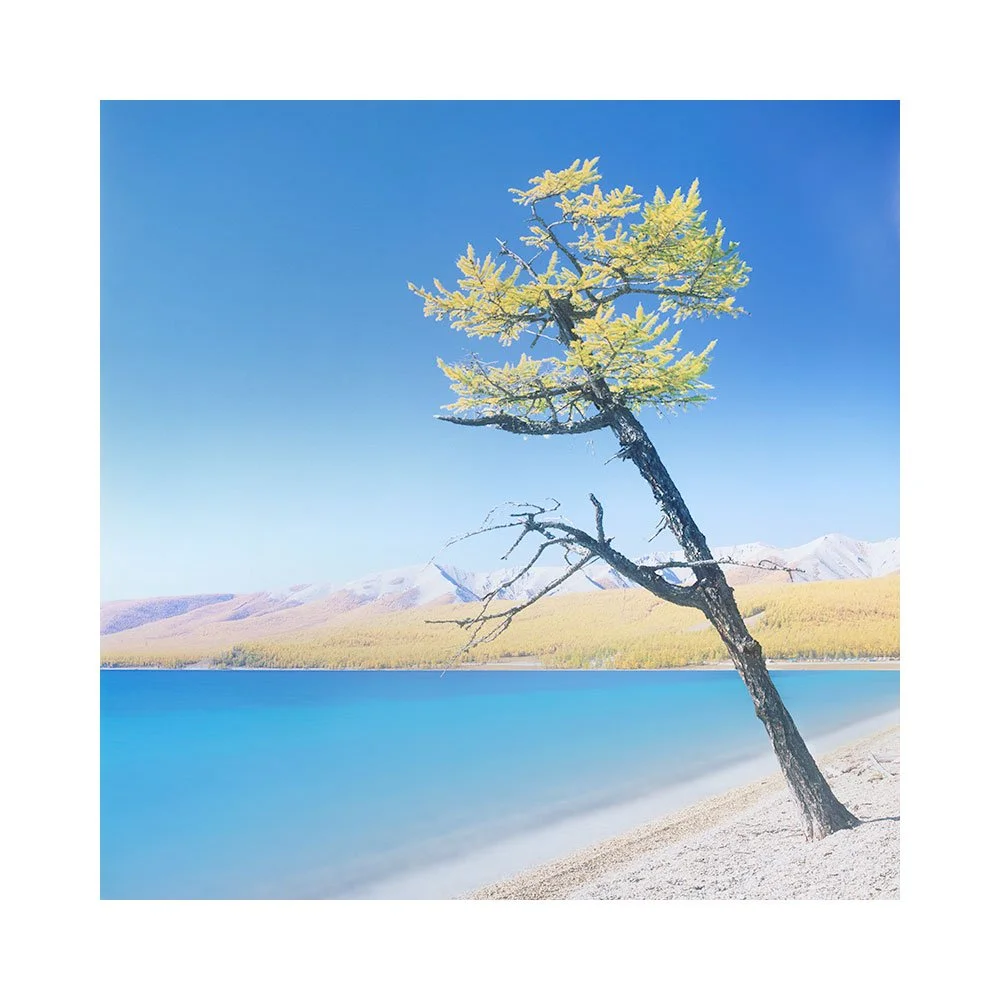
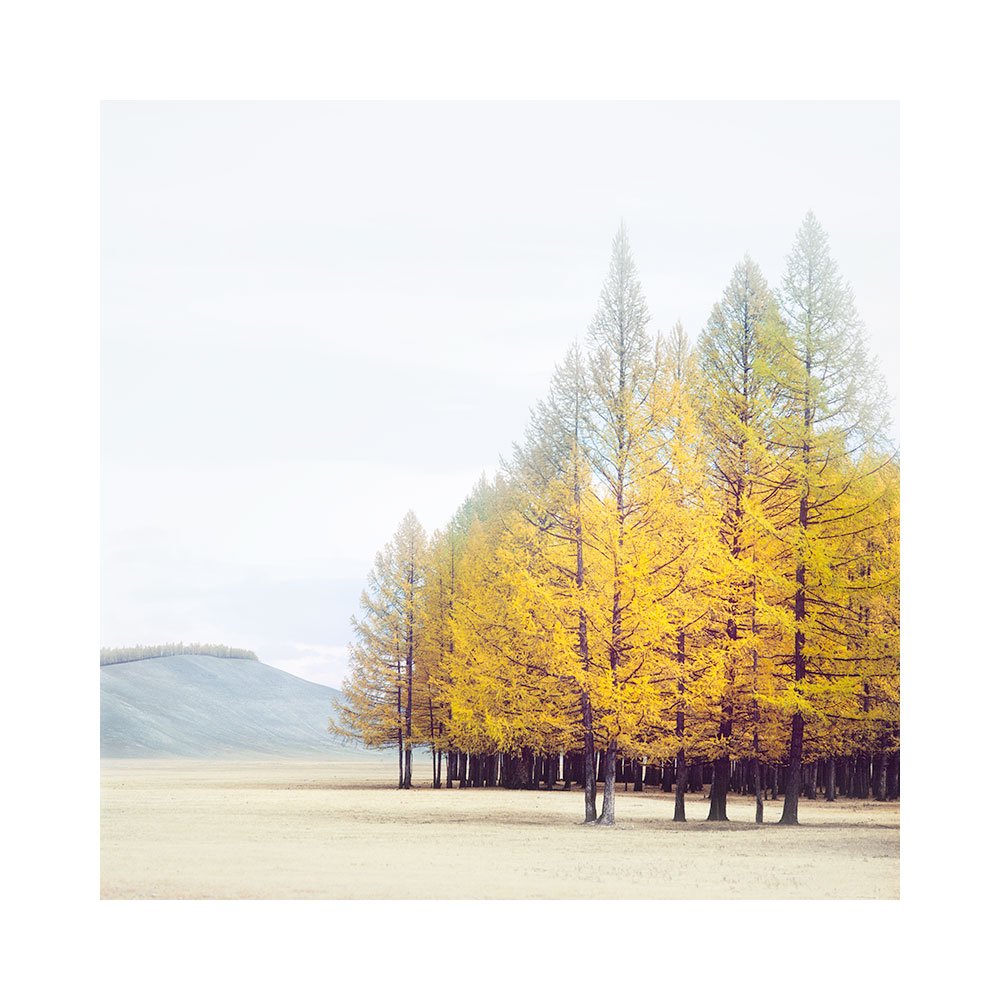
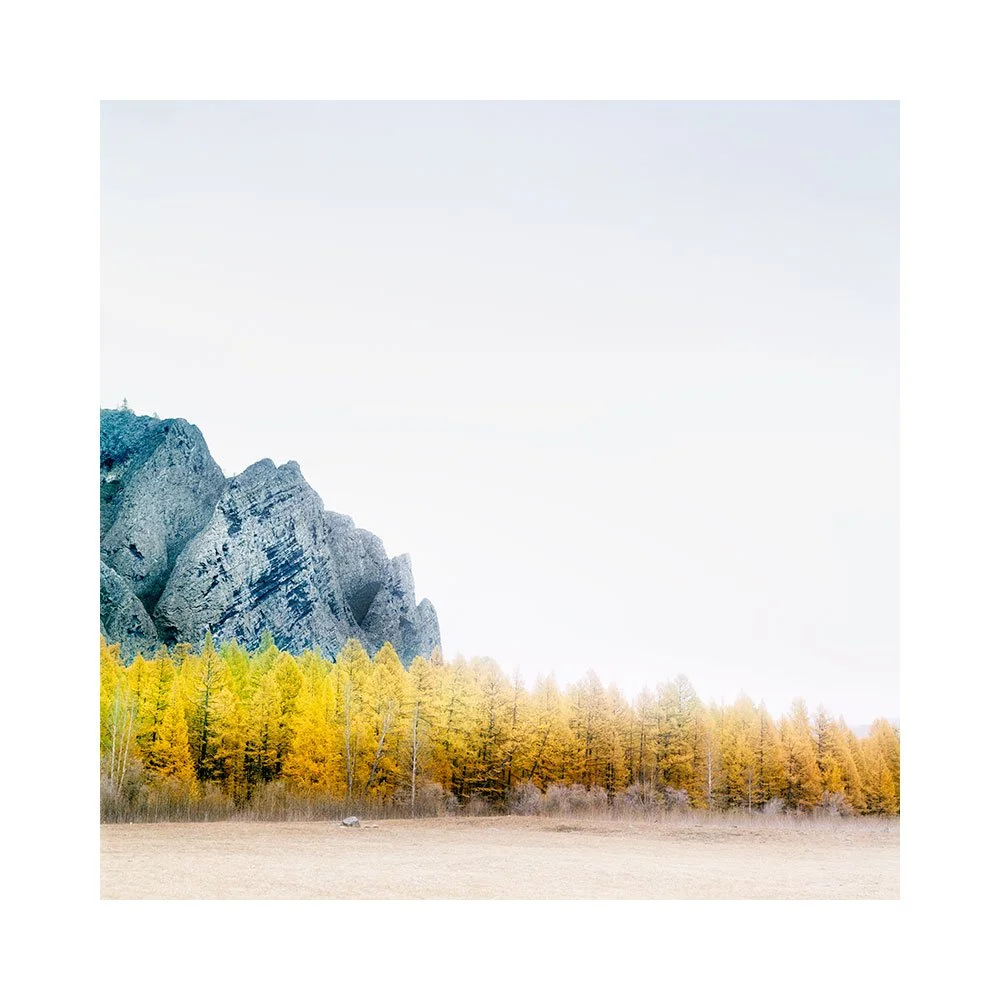
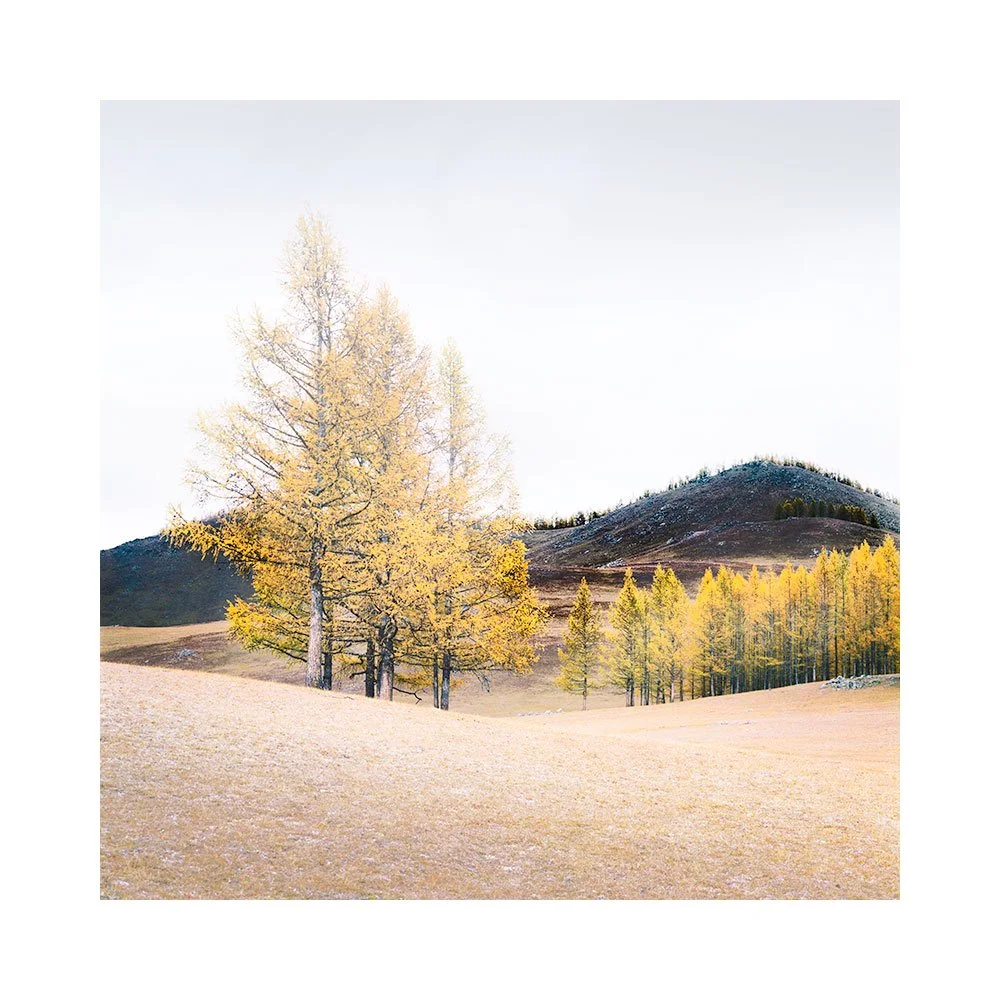
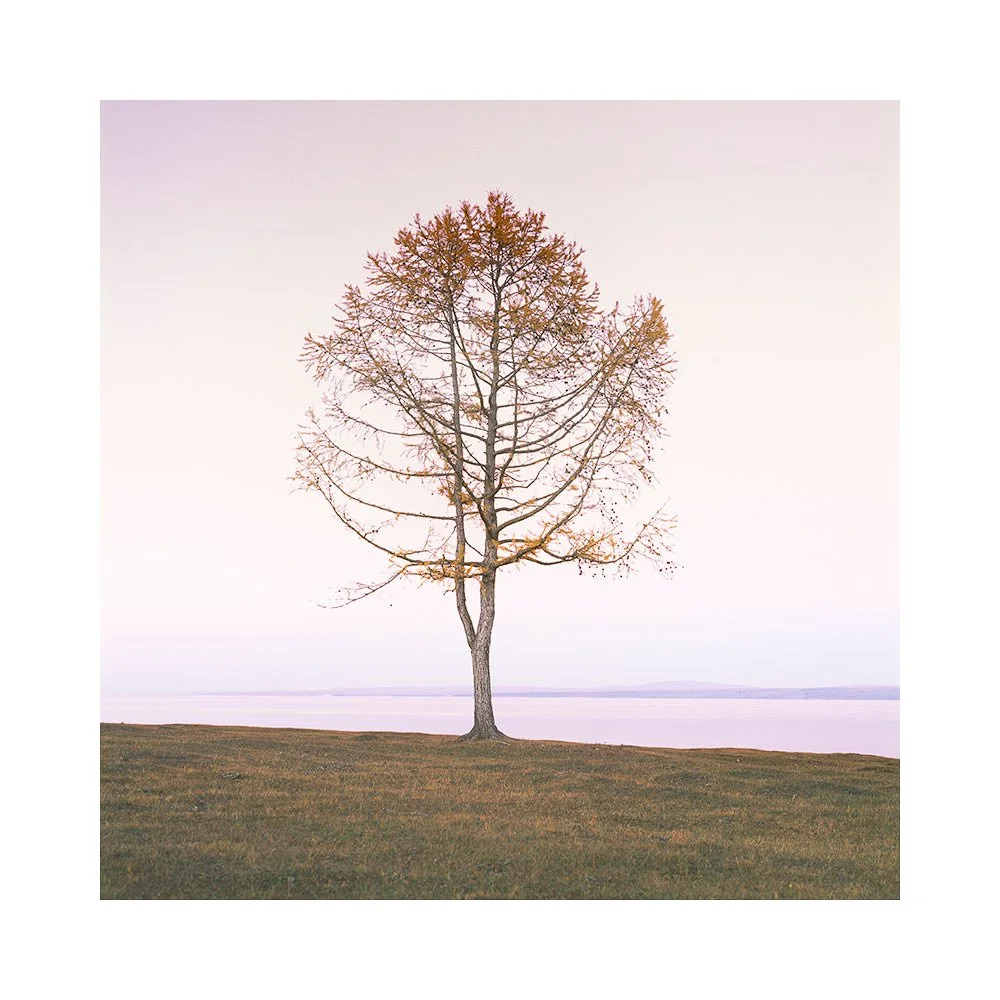
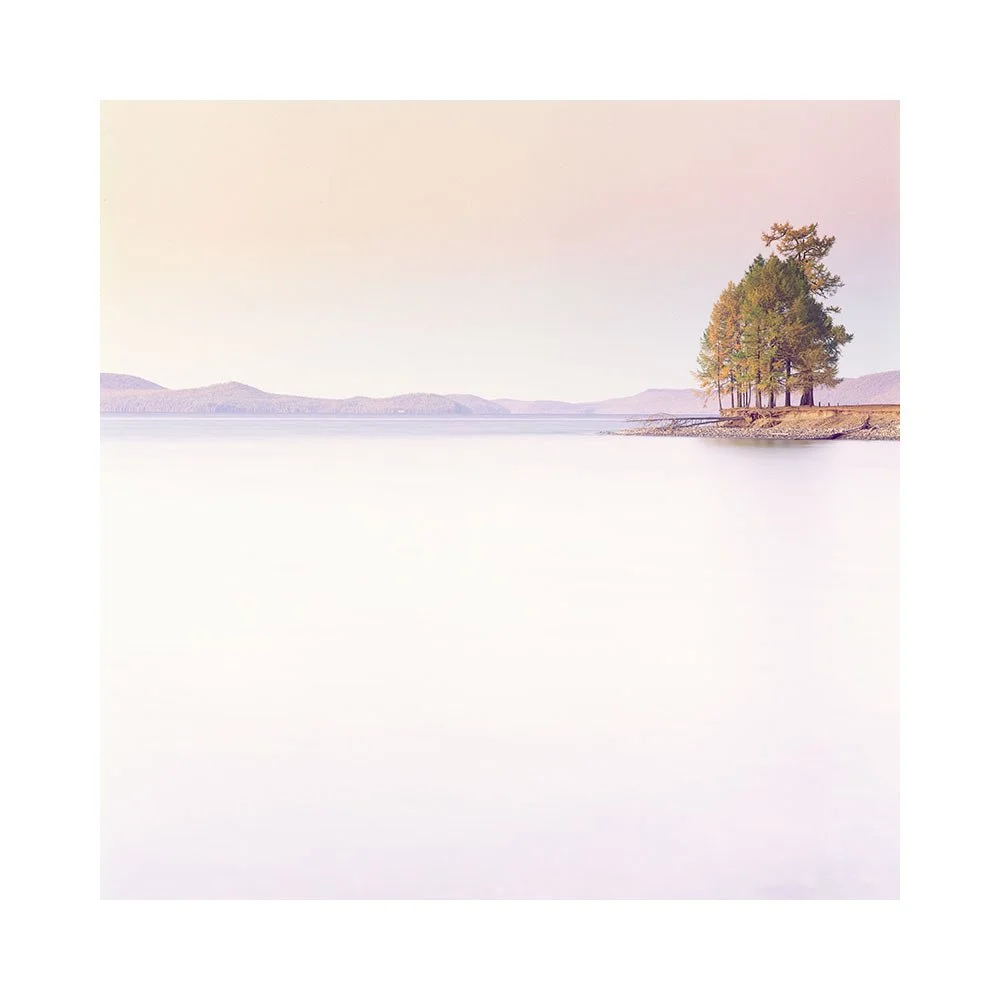
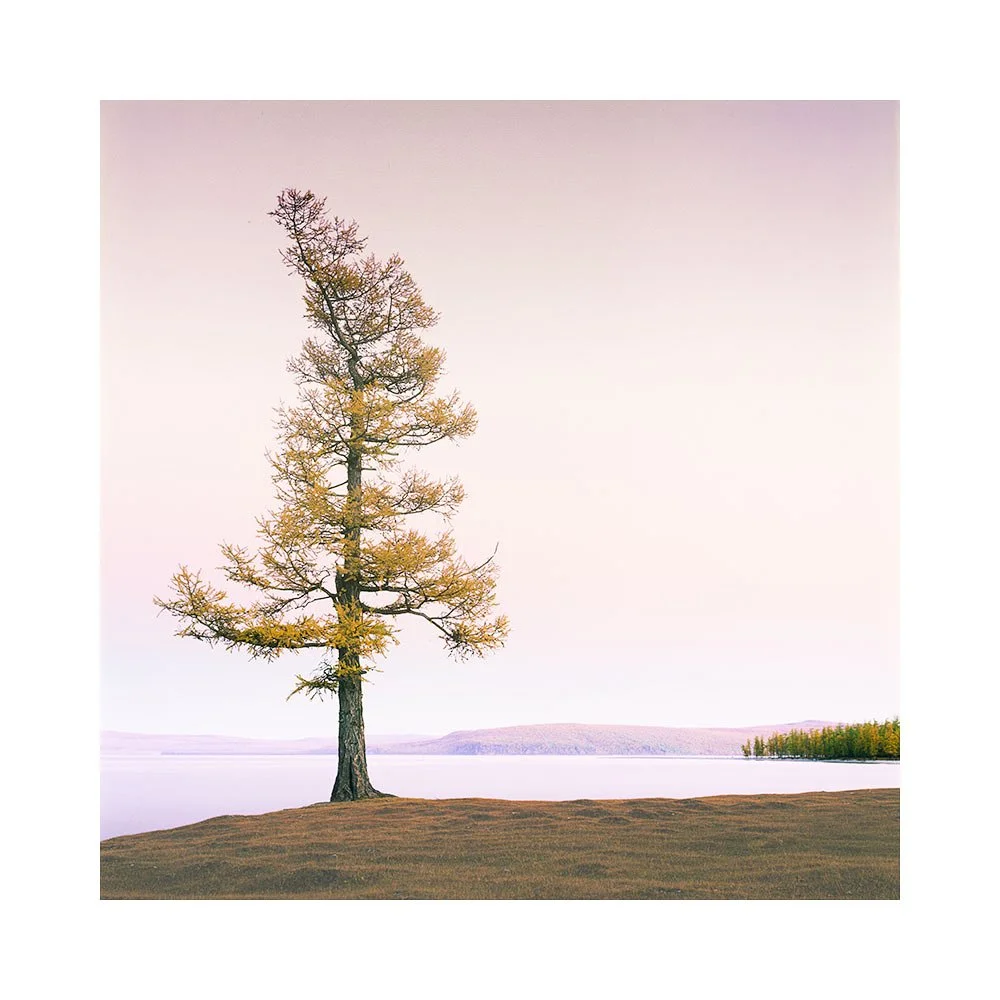
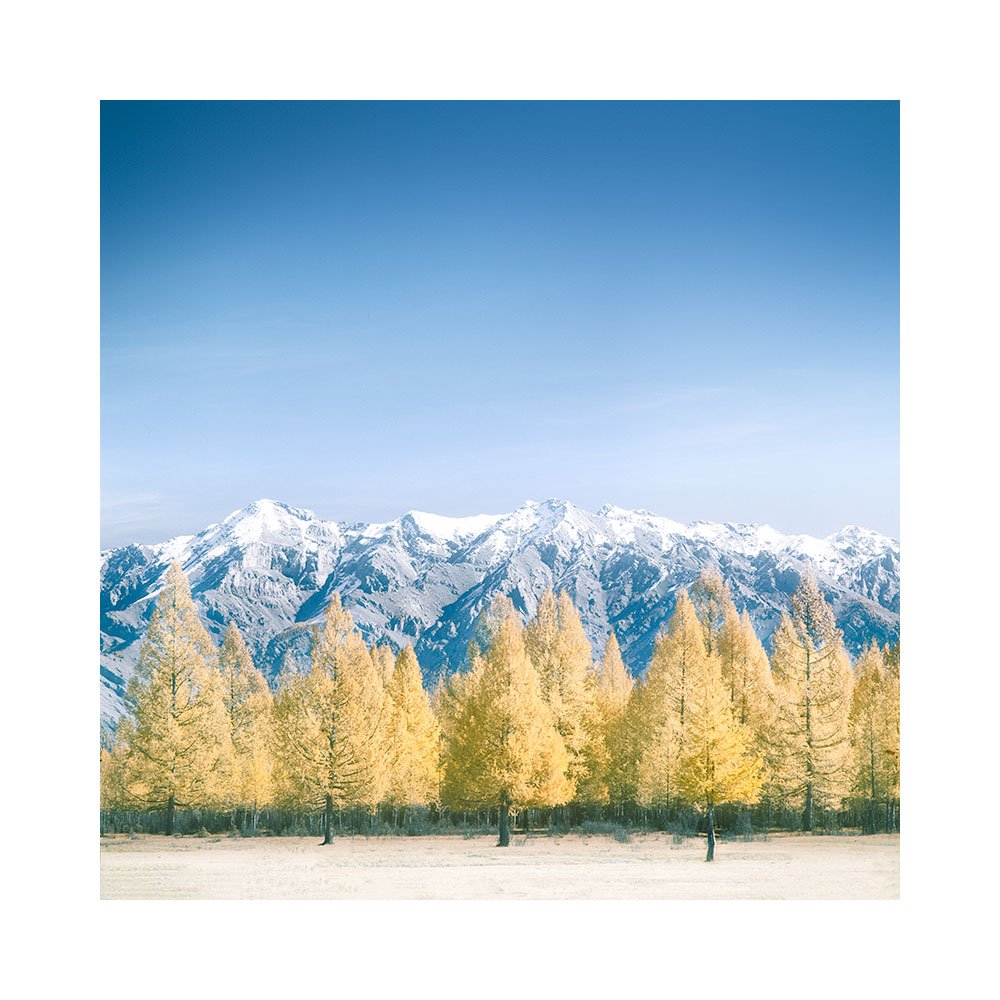
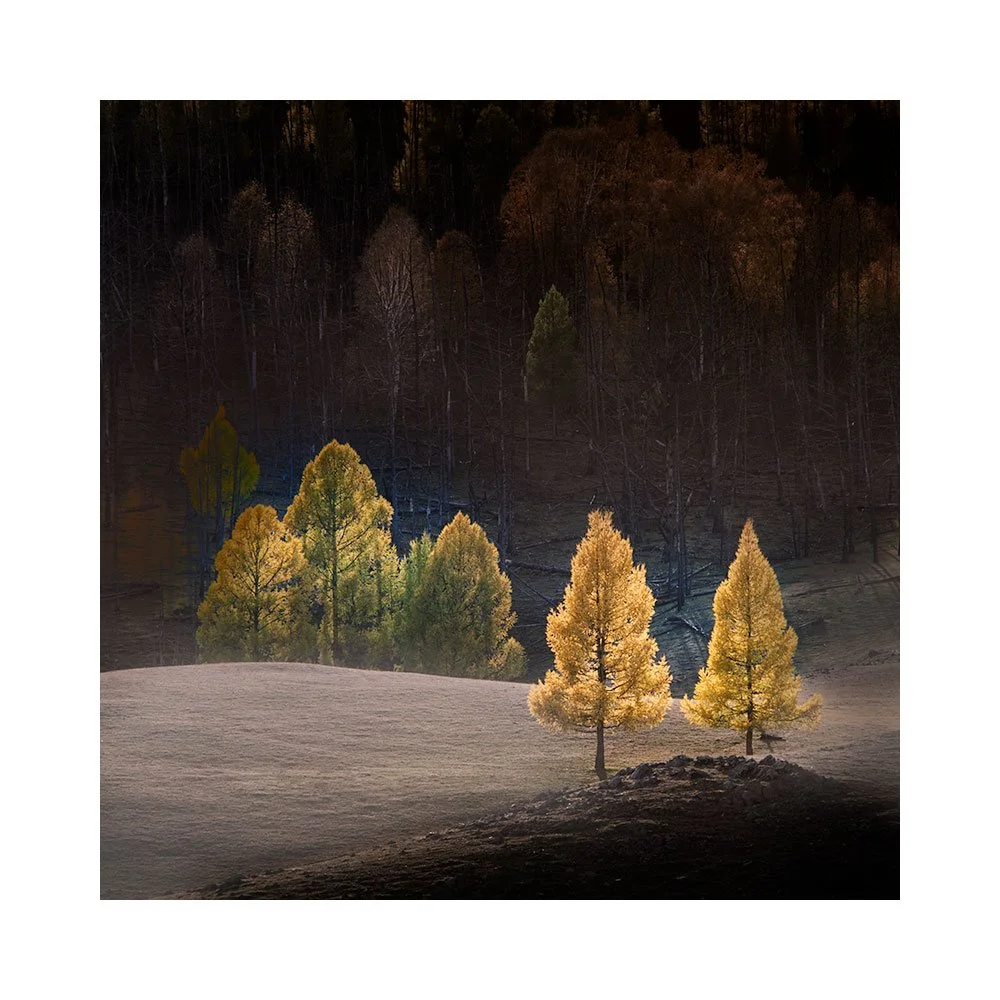
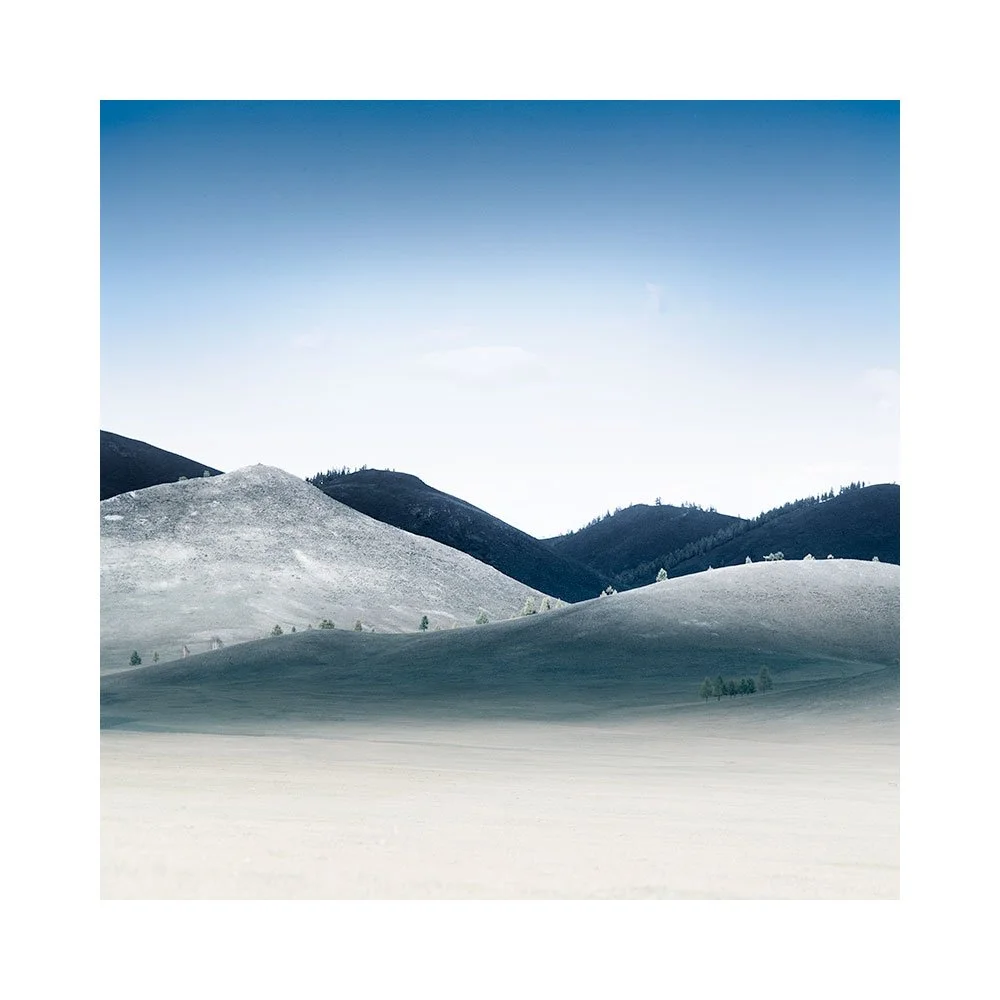
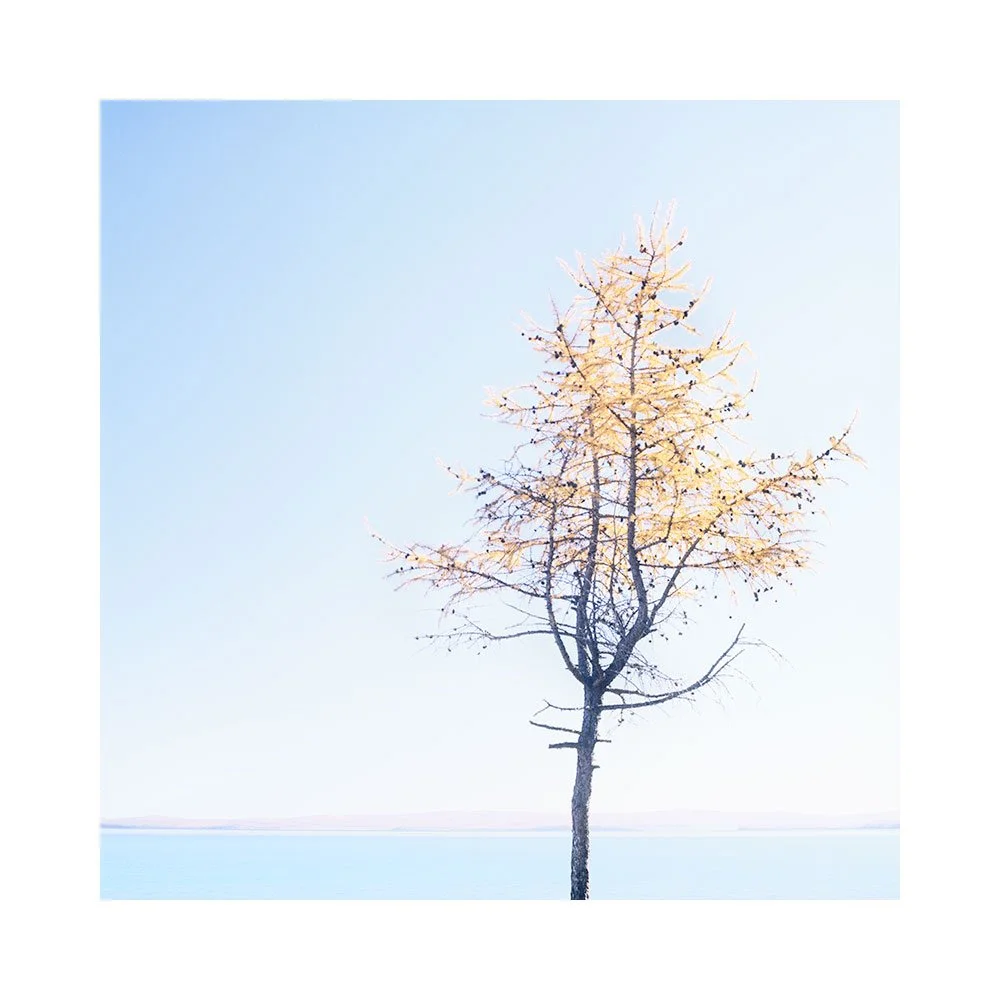
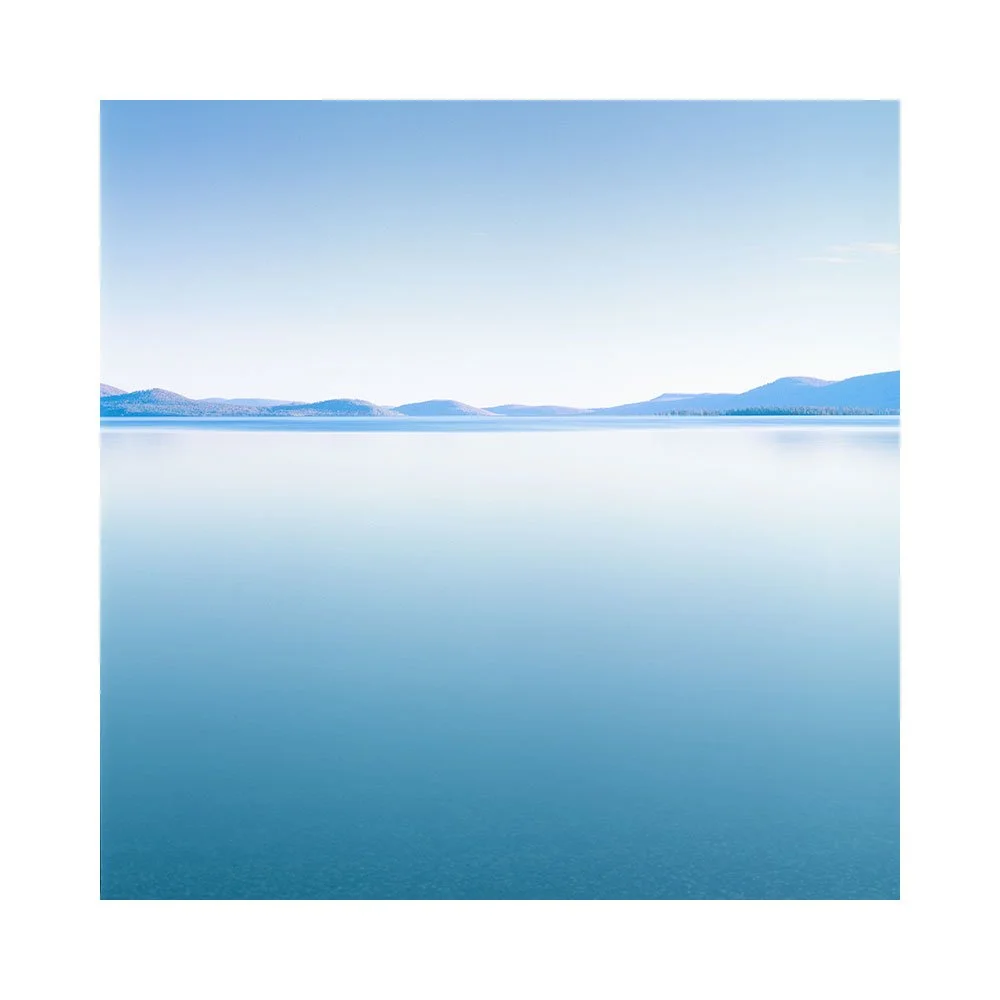
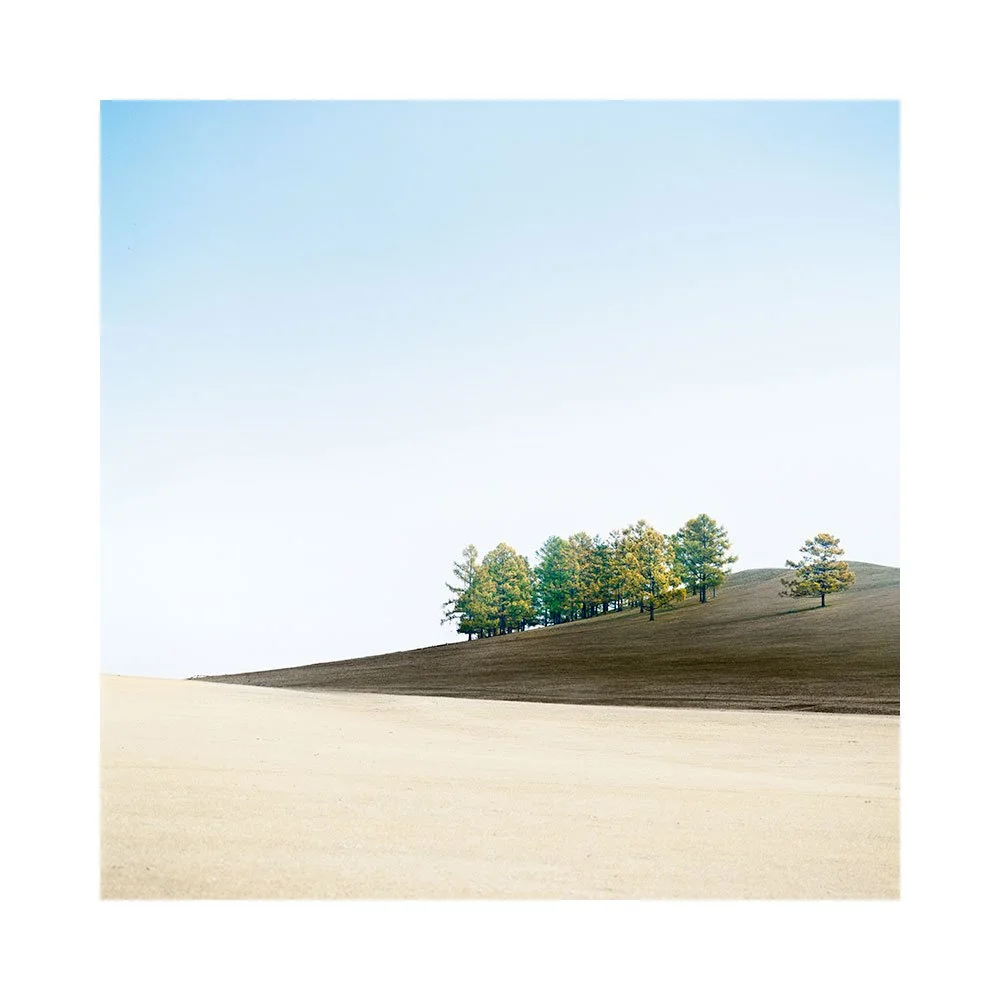
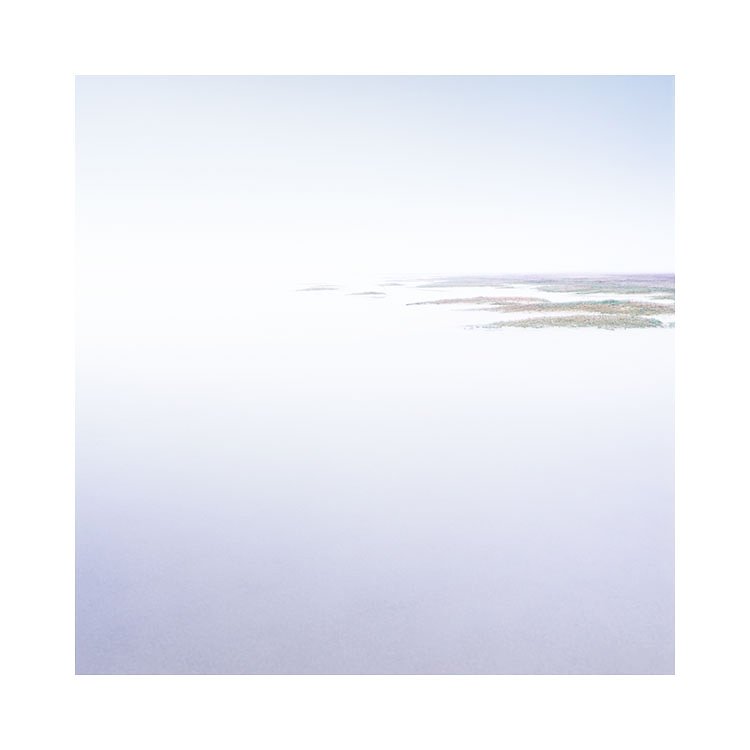
The images above were shot in Mongolia this past year. I am finding the landscape there to have so much great potential.

But these images could almost be of anywhere. Which is the point of this post today. I take my sensibilities with me wherever I go.

The one thing I cannot escape is myself. I am always there in my photographs, one way or another.

Film vs Digital

It’s an old debate, one that for most folks now is irrelevant. Besides, there are probably photographers around these days that were never around when film was prevalent.

Fuji Velvia 50 vs Nikon D4s RAW

But for me, since I am still 100% a film shooter, I am often being tempted by the digital thing. You can do so much more, shoot in low light hand held for instance. My film cameras are rather bulky. So I’m often tempted.

But I’ve always found that the look of both mediums is different. Not better or worse, just different. And I like the look of my film images. And as the saying goes - “if it ain’t broke, don’t fix it”.

Fuji Velvia vs Nikon D4s processed to make it look as close as possible to the Fuji Velvia image.

For my Mongolia project, I chose to bring a Nikon D4s along with me so I could shoot in the dark interiors of the Yurts. But this got me thinking as to whether I could make the digital files look more like my film files.

I have been here before, and I failed last time.

The above samples may convince you that it’s possible to get digital files to look like their analog equivalents, but I disagree. You see, the only way I was able to get the Nikon D4s files to look like my Velvia files was by having a Velvia file to compare against, and to use as a ‘target’ for where to aim with the editing.

I have found that Velvia and all films react differently under different conditions. There is no ‘find one Curve adjustment to fit all’ scenario. For instance, the adjustments used in the above sample will not work with other subjects. So I would always require to shoot some film files for reference.

Also, perhaps not evident in the samples above, but there is a different tonal scale roll-off happening with the highlights in film that is hard to reproduce digitally. I have always struggled to make the highlight look softer in digital because I tend to have to manipulate the file so extensively to get it close to the film image to begin with.

With photography, it’s always a compromise. You can’t get to shoot everything you see. You’re always missing things, and so I long ago learned that I had to accept that with film, there are times when it’s not possible to shoot something that is possible in digital.

I think I will remain a film shooter for the time being. I think that if I am to use digital in the future, it will be for certain projects where I can’t use a film camera, and sometimes to supplement portfolios where I need to with captures that weren’t possible any other way.

I do feel that I should be exploring digital a bit more. But not as a replacement. Just perhaps as another tool, that can be used when it suits, and can be integrated into my film photography.

I’ve never really enjoyed the look of digital files. I’ve often felt I’ve lost something of my film work when I’ve tried to use digital, but this is where I’ve perhaps gone wrong: looking at one as a replacement for the other is perhaps folly for me. I should still be playing around with digital, and exploring what it offers. But I suppose I’m always worried that it may affect my film photography. It’s the reason why I stayed away. I like what I do with film and I don’t want to mess with it.

I think we should use the mediums we like or simply enjoy shooting. For me, it’s always about how the final result looks and I’m happy to put up with the constraints and limitations of the film medium (and believe that limitations and constraints can be a good thing). Perhaps for others, the final aesthetic is not such a priority. Perhaps for others it’s more about whether the medium is inspiring to use. It’s really up to you. There are no rules.

5-Year Eizo Monitor Death

I bought an Eizo monitor 5.5 years ago. I’ve only noticed this week that it is going pink around the edges, so I searched Google, only to find out that many others have had the same issue. Seems to be with the same model of monitor by Eizo.

Eizo’s support is fantastic. I got through straight away and they asked for the serial number, and knew I’d bought the monitor in June of 2020. They also told me I was out of warranty by six months. So no free repair for me.

The repair cost would be the same as buying a new monitor.

I suppose I’m writing this today to you, to advise that maybe you should check the edges of your monitor now and then, so you can utilise the warranty. Many monitors come with several-year warranties.

On Living with your work

It’s sometimes very hard to live with your own work. Over the years I’ve seen my photography morph and become more minimalistic in its approach, there have been obvious times when I have not been able to look back at earlier work and still like it, let alone relate to it.

I have often said that as we grow, I think it’s natural for us to dislike our earlier work, or perhaps feel a sense of shame and embarrassment about it. At the very least, even if we do like our earlier work, we tend to see immaturities in our approach, or ways we would tighten things up if we were having to redo it now. This is, in my view, a common, and natural response.

What is perhaps not talked about so much is the act of living with current work that one is not so sure about. Probably because if you tell your audience that you’re unsure about the work, the audience may mirror that uncertainty. It’s common for people to lose interest in what you’re doing if you tell them it’s substandard.

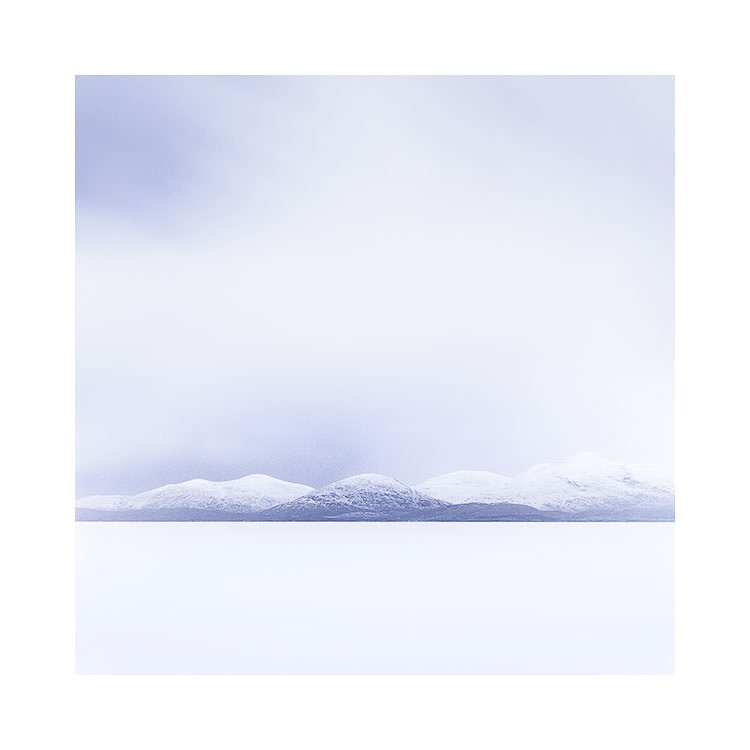
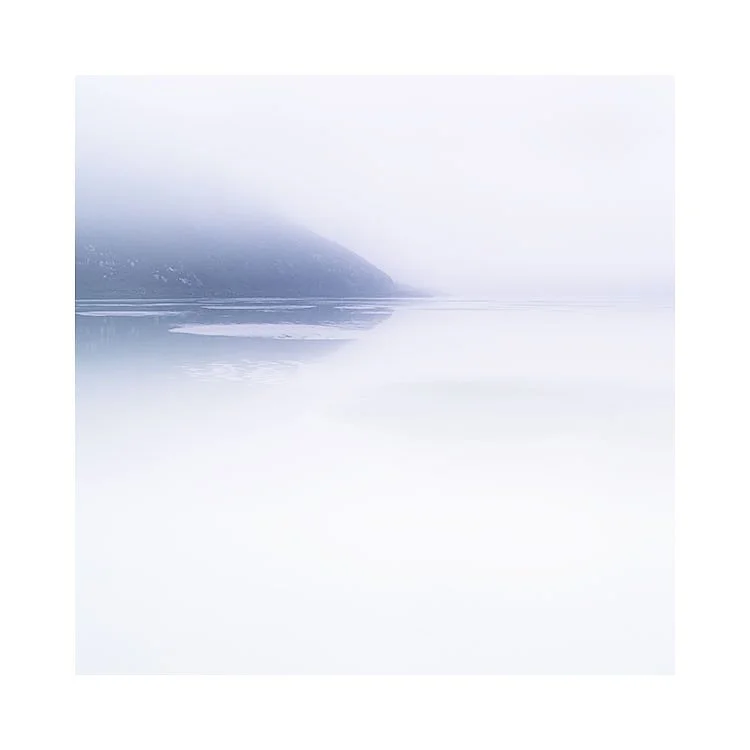
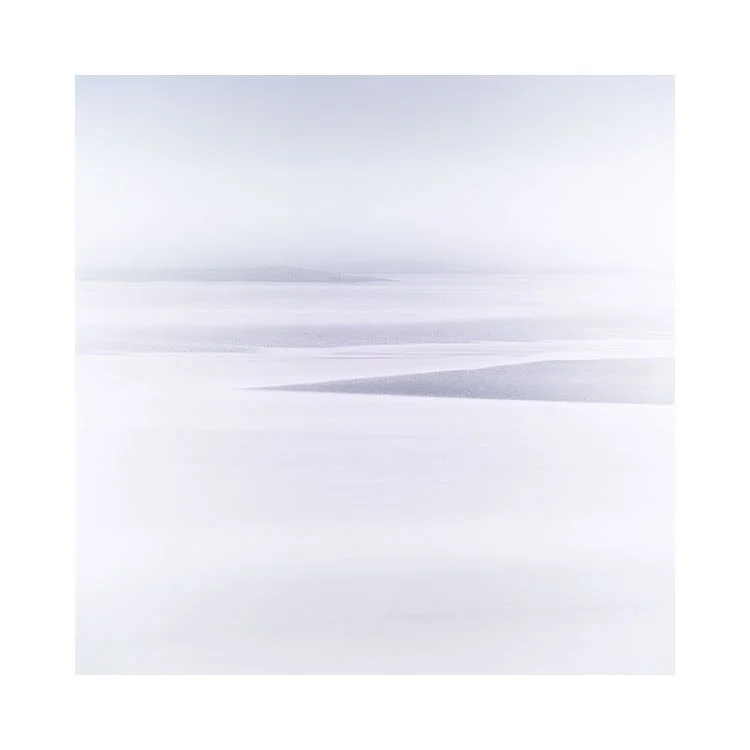
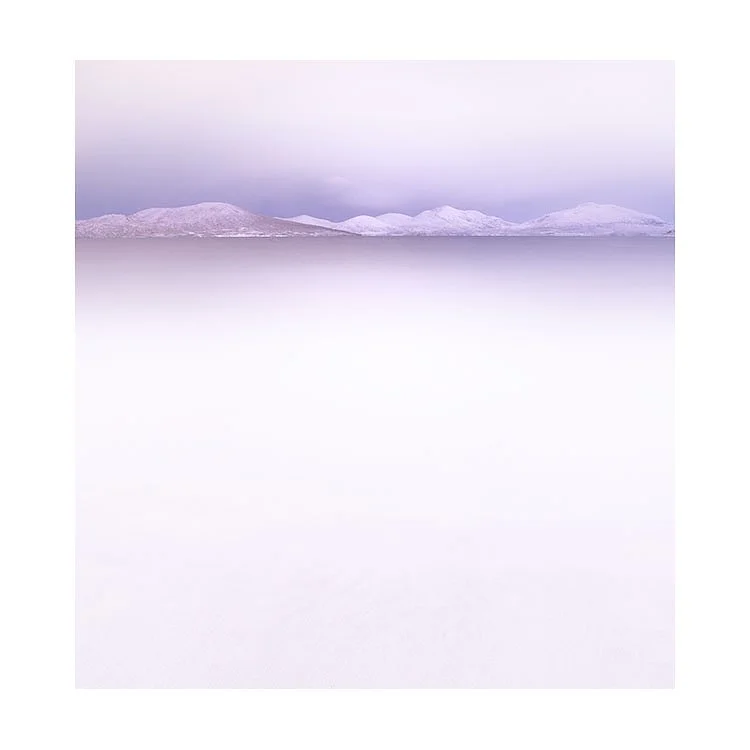
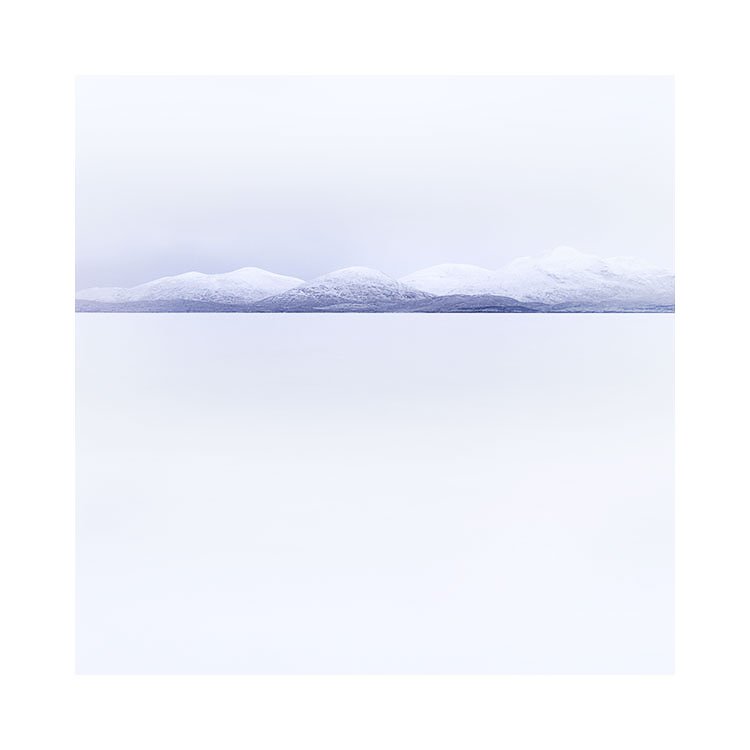
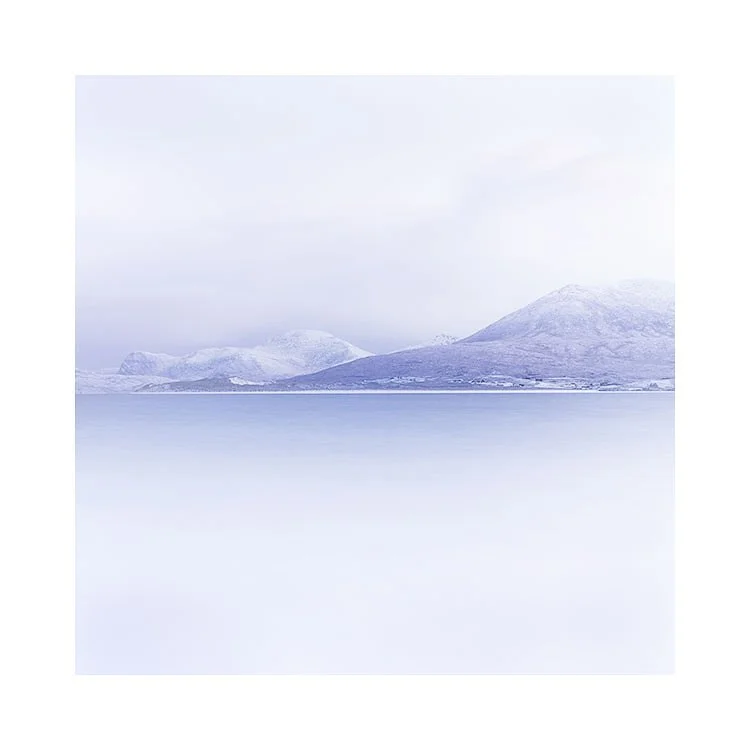
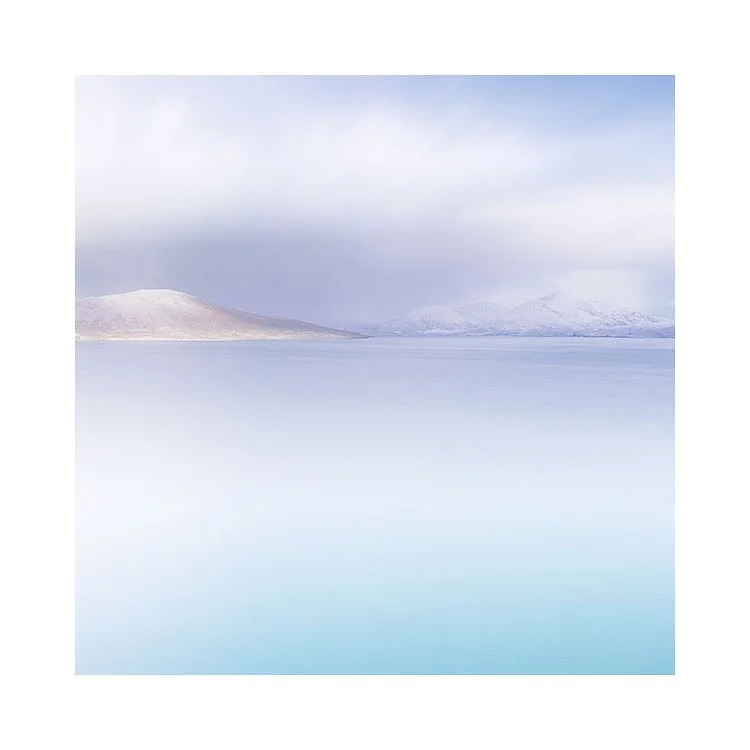
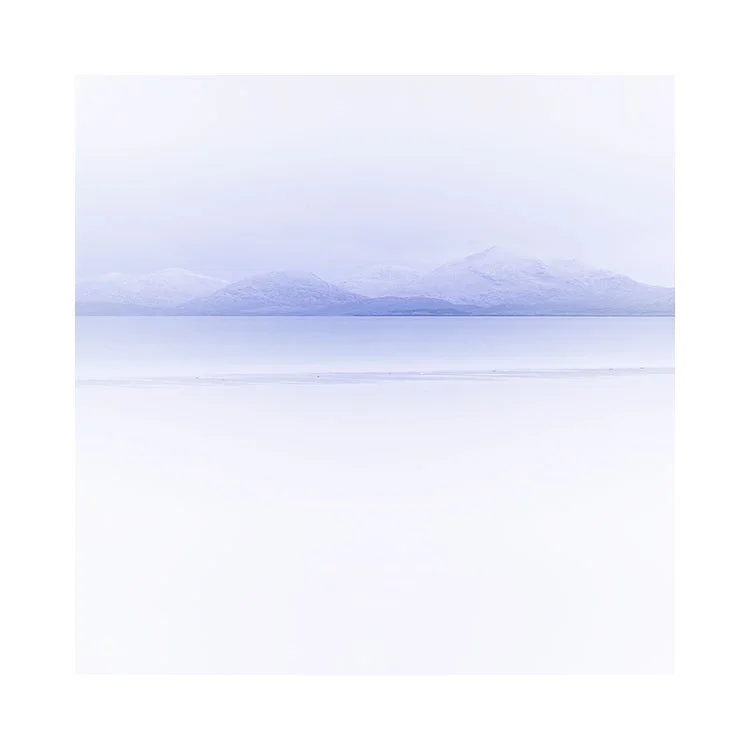
Last year, I felt I had optimal conditions on the Isle of Harris to make my dream portfolio of the place. We had a lot of fog during the first week, and a lot of snow in the second. I was sure I would come away with some really interesting images—enough to make a very good portfolio.

The problem was that I was never entirely happy with the portfolio I produced at the time, and I struggled with where to go with it. Some days I felt it was too light, and when I tried to put more depth into it, I felt it then suffered from being too stark, too hard.

The best approach I eventually settled on was to let it be and live with it for a while. This is really the point of this post.

Today, I’ve been reviewing the past year’s work. I feel I’ve now had sufficient distance to take the images as they are. I think I’ve managed to shake off any preconceived ideas or aspirations I had held. It was clear to me back then that the work didn’t meet what I had aspired to, and I now realise that this was getting in the way of seeing what the images actually offer.

Audiences tend to be one step behind the artist they’re following. When the artist is moving on, the audience often only recognises it after some time. You get rated on what you were, not what you are.

Sometimes an audience may resist new work because it isn’t “like the older, more familiar work.” I sometimes wonder if this is also true for the artist themselves. They, too, can be at odds with their own work. Perhaps the work is advancing, and they’re simply not up to speed with who they are now. I think this is possible.

We can be out of step with ourselves. Our perception of our ability or artistic voice doesn’t always match the reality of where we currently are.

Recognising that this can be the case is the first step in artistic mental health. Accepting it is the second. And perhaps being okay with the ebb and flow of your abilities is the final step.

Anyhow, I sometimes think we’re simply not ready to accept our current work. I’ve had work that I wasn’t sure about, only to find that it grows on me over time. Sometimes I’m pleasantly surprised by work I once thought was merely so-so. That’s just the nature of creating.

Learning to live with ourselves—our expectations of our work, and the reality of what it actually is—can be tough. You need to practise positive mental-health attitudes towards yourself and your art. Be kind to your creativity is something I’ve always believed in, and perhaps allowing your work—even when you’re uncertain of it—to have time to grow on you is part of that kindness.

1989

I’ve been reflective of late. I was thinking about an old friend today who was the receiver of my very first gift print.

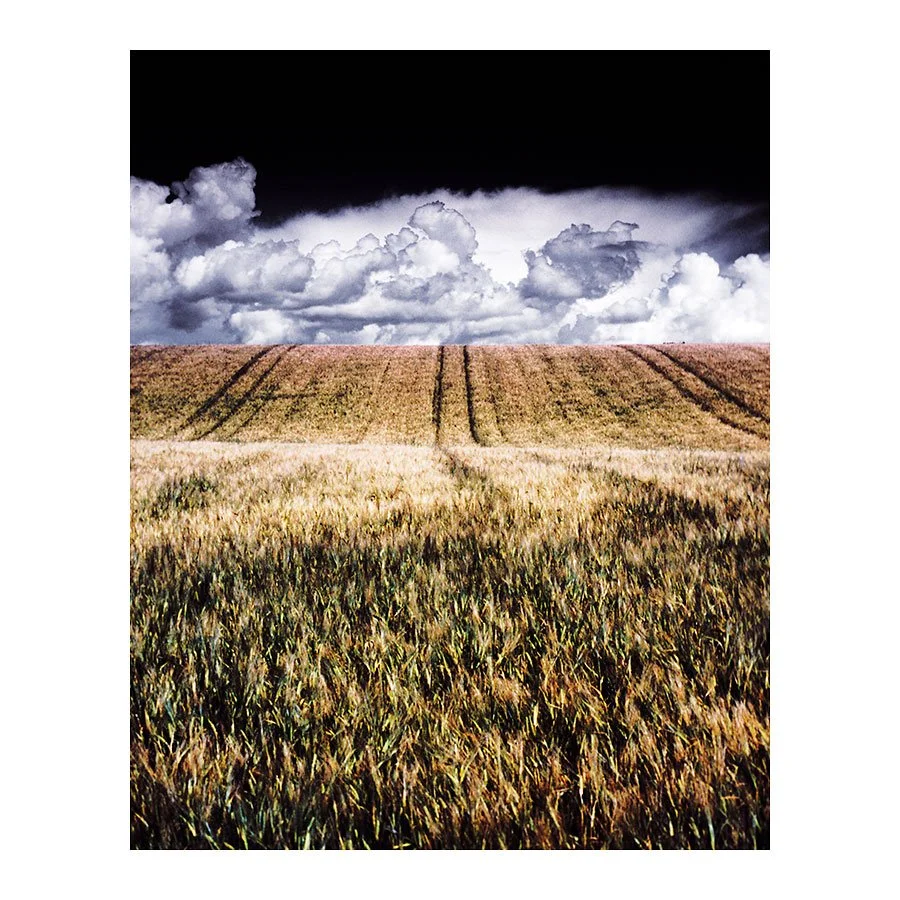
Back in the late 80’s, when I was around 22, I made the shot below on my first camera.

In the late 80’s, we were film only. And 35mm mostly. Medium format was something for rich people to play with. I made the above shot on a Canon EOS 650 with some out of date Agfa slide film and a cheap Cokin filter.

It was one of the first times I’d used a grad filter, and the strength of the filter was clearly too much. It turned the blue sky black. But it did however, allow my slide film to record the detail in the clouds that afternoon.

This image was one of my ‘best’ for a long while. It was also the first image that I gifted to a friend. a friend that i lost touch with her many decades ago. I sometimes wonder where they are, and if they are happy.

New work up on the homepage

Just a short note tonight to say that I’ve uploaded all of my work from 2025 onto my home page. Should you be interested in seeing it.

It’s been a busy few weeks of processing a few hundred rolls of film, and going with whatever I found inspiring to work on.

A few observations from me are that I seem to be comfortable adding more colour back into my work, and some places are being represented in a more ‘literal’ way, rather than being pushed more towards extreme minimallism. I fully expect this to swing like a pendulum. Some portfolios in future will be very minimalistic with others less so. Similar with colour use - some will have reduced colour while others won’t. It all depends on how I feel I wish to go with it for each portfolio.

One thing for sure, is that I do enjoy looking at a year’s work and noticing the differences between years.

I hope you enjoy looking at the new portfolios.