Creative Loneliness

I have for some time thought that photography is really a private endeavour. Meaning that we really do it for ourselves. The motivation to go out and make pictures is a deep need to create, to enjoy the creative process and to give our lives some added enrichment. That is why we ultimately make pictures.

But I would be lying to say that no one needs an audience. For reasons I cannot fathom, all I know is that every creative person out there needs to be able to show others what they do. And until one has experienced having an audience, it is something that we all wish to experience. A need even.

But perhaps what we need is a community. Not an audience. Photography, or the act of making pictures is often a lone pursuit. I think many (if not all of us photographers) are in some way loners. We prefer to have time on our own, and to enjoy relating to the land without the interruption of others. But wishing to have alone time and to work on our art does not mean that we wish for our results to remain unseen or hidden from others.

All creatives, no matter how introverted, need to show their work to others.

For the most part, this is one function that Instagram should provide: a space to find like-minded others with which to share your images, and to interact. In case you do not know this, this isn’t what IG excels at.

Social media platforms are brokerage firms. Irrespective of whom you wish to follow, they will not send you every update of those you’ve requested to follow. It is also true the other way around: those that express an interest in following you, aren’t guaranteed to see all your posts. Despite them wishing to. Instead, you get what these platforms choose you to see, and it is because they are in the business of trying to make money from advertisements, and by deciding how much reach your posts have.

This kind of ‘social networking’ I like to think of as discriminatory-social-marketing. You are asking a 3rd party to help you socialise, but only on their terms, not yours. And their terms are to only give you full reach to all of your audience if you pay.

Back to the problem at hand: all creatives need a community.

If you are seeking a community, you’re not going to find a high quality community on a social network platform. If you wish to have a community of value, one where you can share and express your thoughts, then I believe the way to find one is to build one yourself out of the network of people that you’ve met, and know. And even then, you have to be selective. Choose wisely those that you feel you can have the conversations you desire to have. Choose those that you feel have a level of ability or perhaps opinion, where you feel they are on a similar level to yourself.

I remember that Ansel Adams and Edward Weston used to swap prints with each other. They were peers. Everyone needs to find their peers. You need to find folks that stimulate you, that are interesting and interested. You need to find real connections, whether you do it through clubs, meeting others through tours or workshops, or simply by bumping into someone on your travels with your camera. That is how one builds a community that they not only desire, but need. IG won’t give that to you, simply because its aim is very different from yours. They are in the business of making money from exploiting your need to reach others.

False Horizons

I got an email the other day from someone asking how to keep their horizons straight. It might seem like a question that is quite easy to answer, or to fix, but I don’t think so.

Spirit levels may feel like they are the answer to this question, and although they are useful aids, particularly if one is dealing with a really bad ball head, or perhaps failing eye sight, they do not work all of the time.

I have found may scenes I wish to shoot cannot balance because the horizon line in the frame is actually a false one. Even if I were to balance the camera with gravity, the horizon line is not straight. The only way around this is to try to assess the horizon line against the edge of the frame of the camera. I tend to use the sides of the frame and evaluate the horizon line against. Even so, I still never get the horizon perfectly level. I do however, get closer to it.

But some scenes just have false horizons: the lake edge that rises in the frame as it recedes into the distance for instance. There is no fixing for this, and even if I were to get the edge of the lake level in the camera, everything else would be skewed.

reflections are vertical in this shot. But I shot the original image pointing up at the sky, so the reflections were converging. I had to use Photoshop’s Transform tool to correct them.

I do try to ‘see’, to acknowledge these issues whilst on location, but it is hard. I always tend to notice them once I’ve returned from a shoot.

If I were a digital shooter, I would be using live-view to help me assess the level of the picture. Crouching down and tilting one’s head sideways never works, so it is always best to evaluate your composition with your head level. You cannot balance anything if you are looking into the frame sideways.

For what it’s worth, I would try to stop relying on the built in spirit level of the camera, for one simple reason. While you are looking at the spirit level, you are no longer looking at the picture. The better practice in my view, is to look at the picture and try to relate it to the edges of the frame. You’ll be able to assess the balance more correctly because the balance of the scene is related to the placement of the subjects within it. In other words balancing a scene involves balancing the composition.

And once home, use the level tool in Lightroom or Photoshop to help you fine-tune it.

But please note that most pictures can only be balanced to a point. A compromise must be met between balancing a false horizon and the subjects within the picture. Balance the horizon and the trees now start to slope. Balance the trees and the horizon is lop sided. The solution is, if one is keen to keep the picture, is to try to see if having both slightly out may be enough of a compromise for the image to justify its existence, otherwise you should chalk it up to a learning experience to pay more attention to false horizons and how they interact with the subjects within your frame.

Also consider that there are inherent distortions when pointing the camera up / down that can cause trees and any other subject that is vertically upright to appear to be falling backwards. Pointing a camera down can cause tree reflections to fan out at an angle. These disturb and interfere with the balance of the composition and can also cause the scene to feel as though it is not level. The solution is to pay attention to the distortions and figure out if they are aiding or killing the balance of your scene. If they are, then a compromise is required: either don’t tilt so extreme, or perhaps think about investing in a tilt-shift lens. Using the lenses rise / fall movement will allow you to keep verticals straight, whilst still be able to look either up or down.

Leveling a picture it turns out, isn’t such a straightforward thing to do, and often requires us to practice visually checking if the verticals as well as the horizontals are going to disturb our perception of balance in the frame, and that takes plenty of practice and trial and error.

A new project is coming

My only regret, as a film shooter, is that when making portraits, I’d love to be able to show my subjects the final image. Or even give them a present of an image to take away with them.

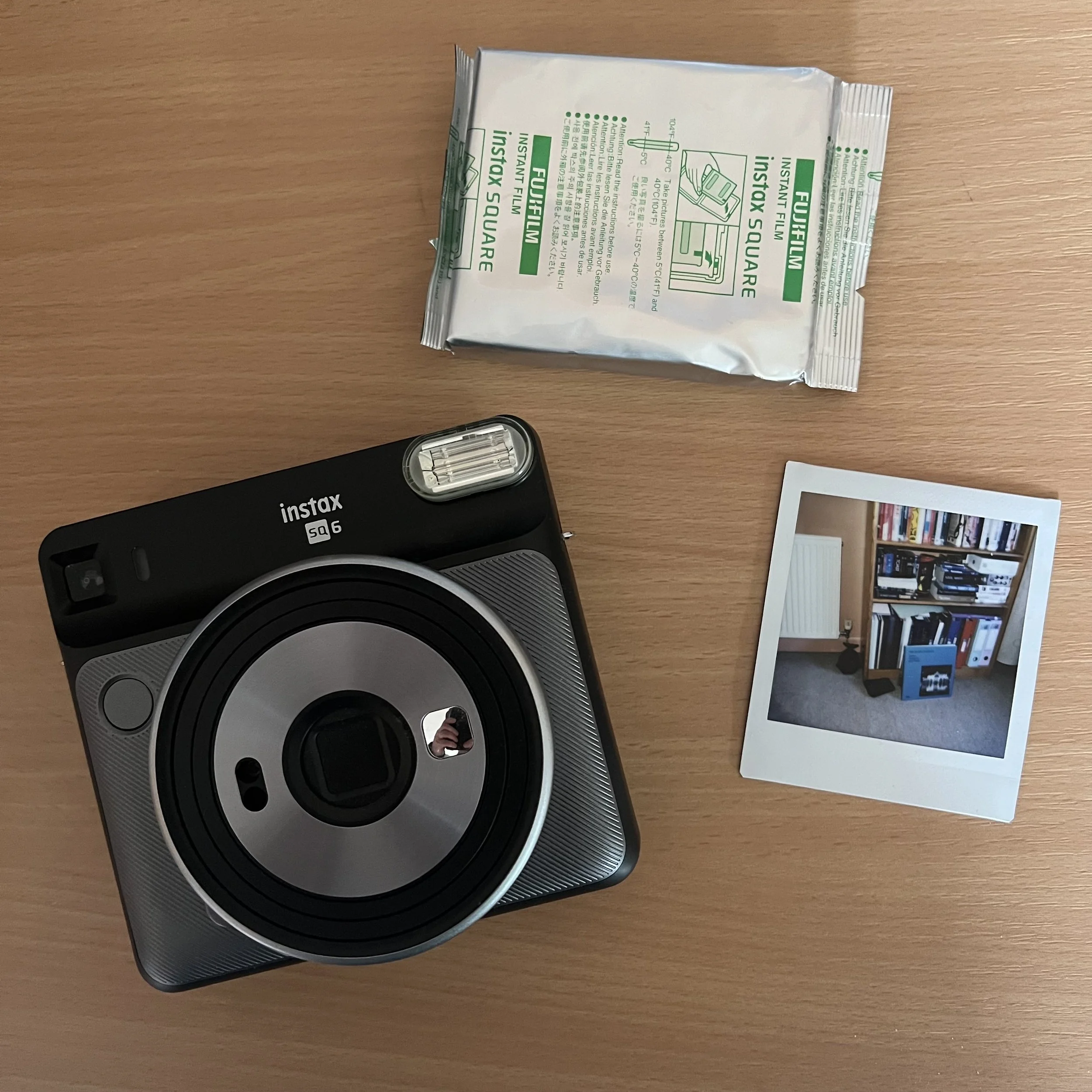
A few years ago I bought a Fuji Instax camera. It’s a modern day polaroid system, and comes in rectangular or square format.

This October I will be hopefully returning to some new portraiture photography, and will be bringing along my Instax so I can give some shots to those I make images of.

One thing I think I must remember to do, is to take photos of the photos :-) Or perhaps take two - one for my subject to keep and one for myself, as I am curious to see what I may do with the actual instax images myself. They are rather fuzzy and lo-fi in nature.

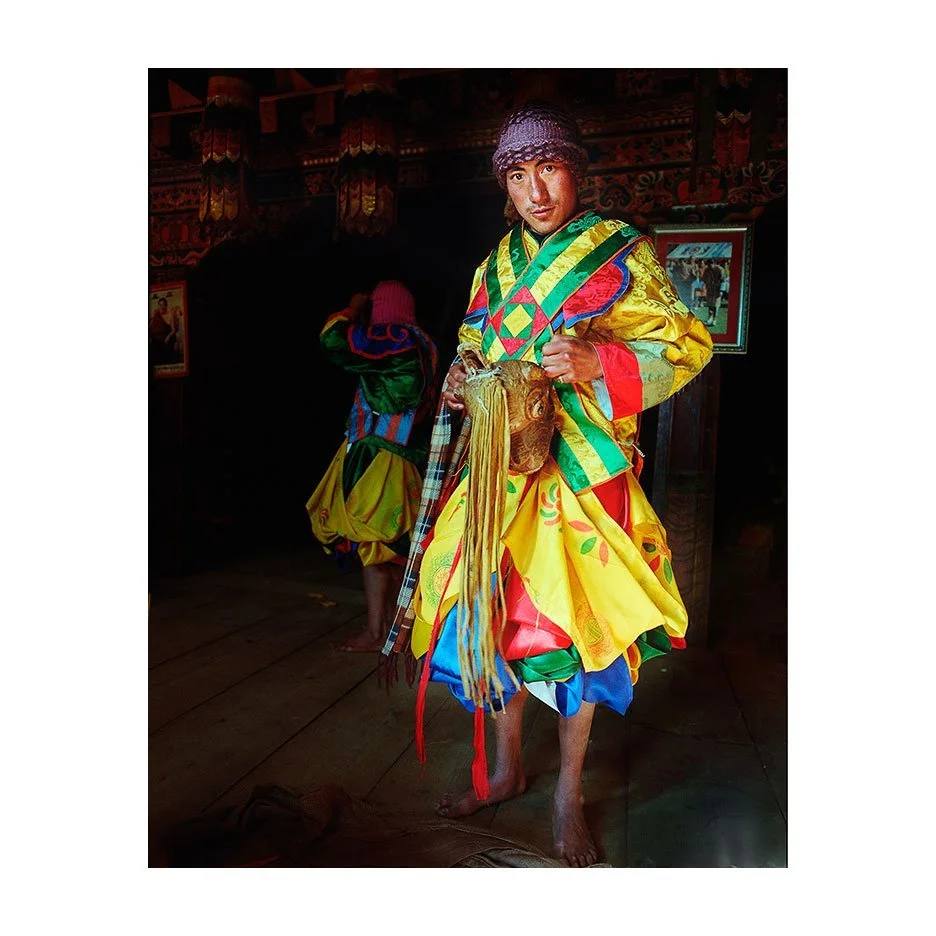
The last time I did any concentrated portraiture was in Bhutan (in 2016) I think, on Ewen Bell’s deeply researched tour that he does there. I’m so grateful to him for being able to get us back stage access to some of the dance festivals. I highly recommend his trip to Bhutan for anyone who is looking for great shooting, and also the cultural aspect. His tour excels at both.

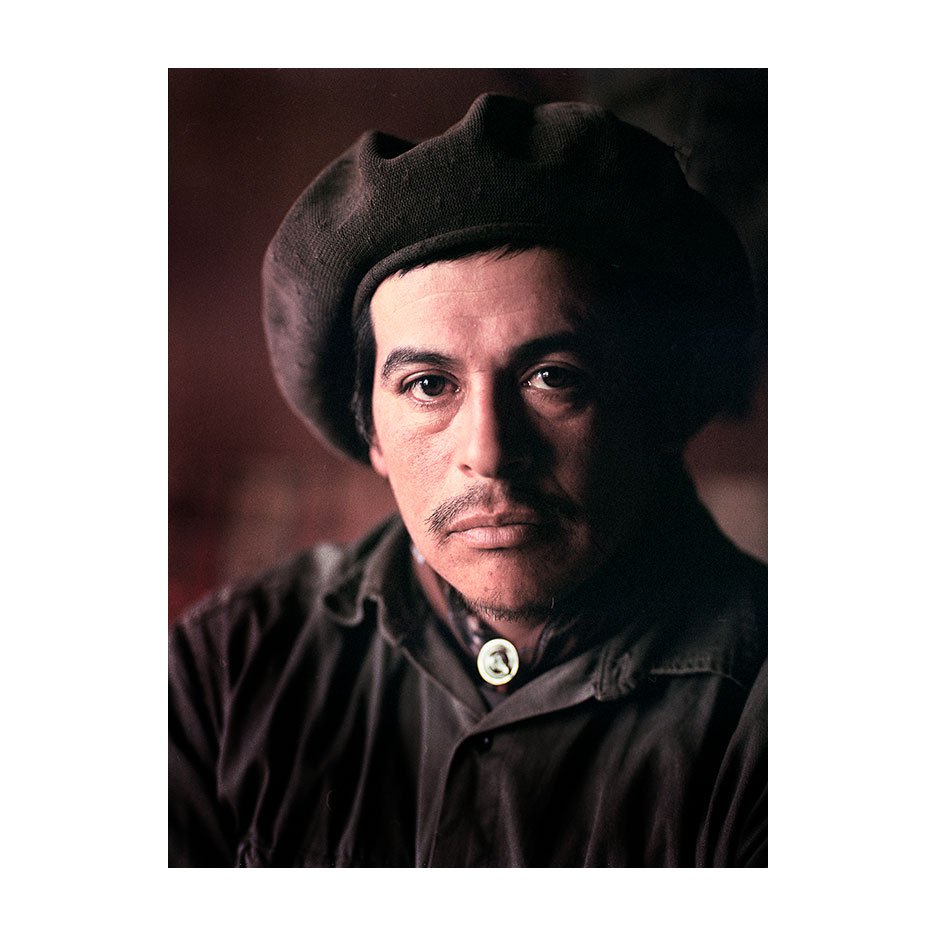
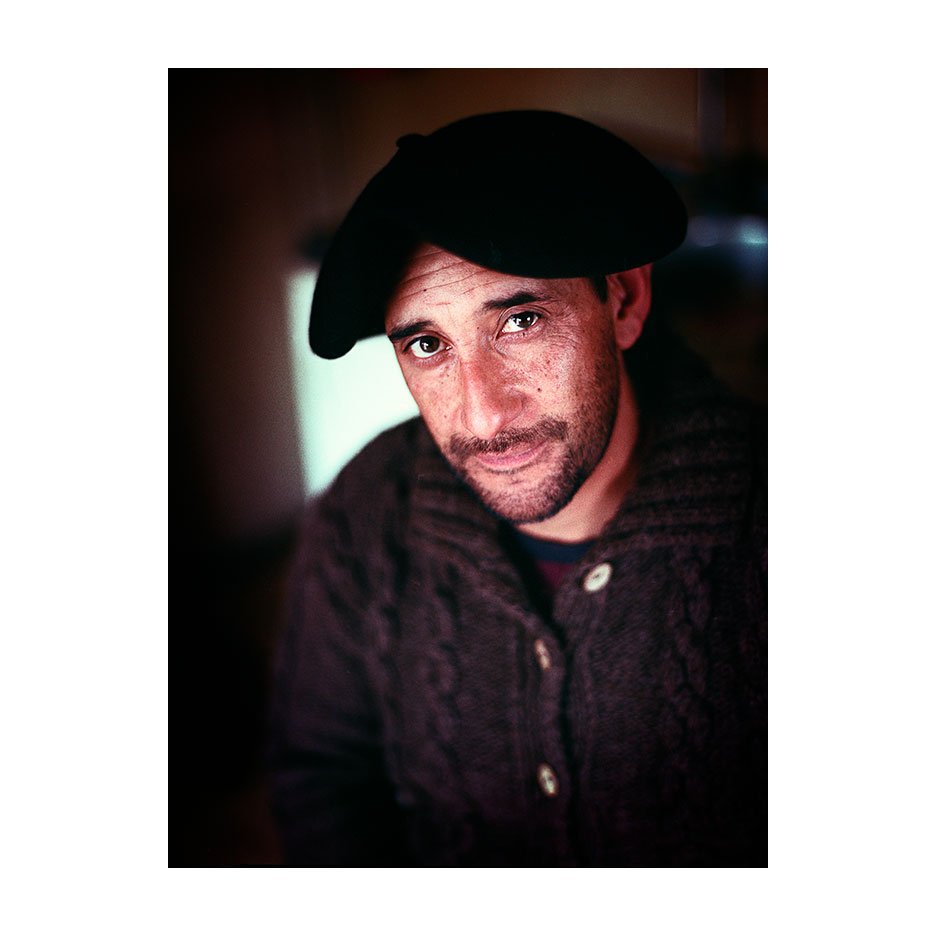
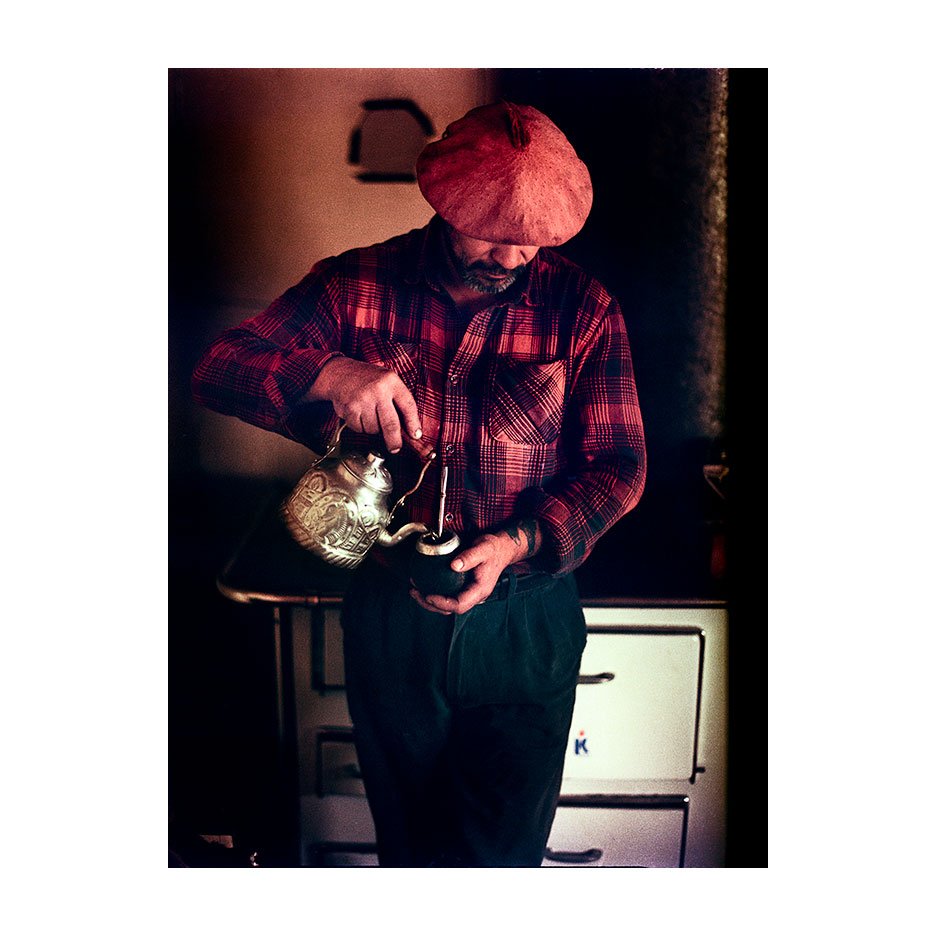
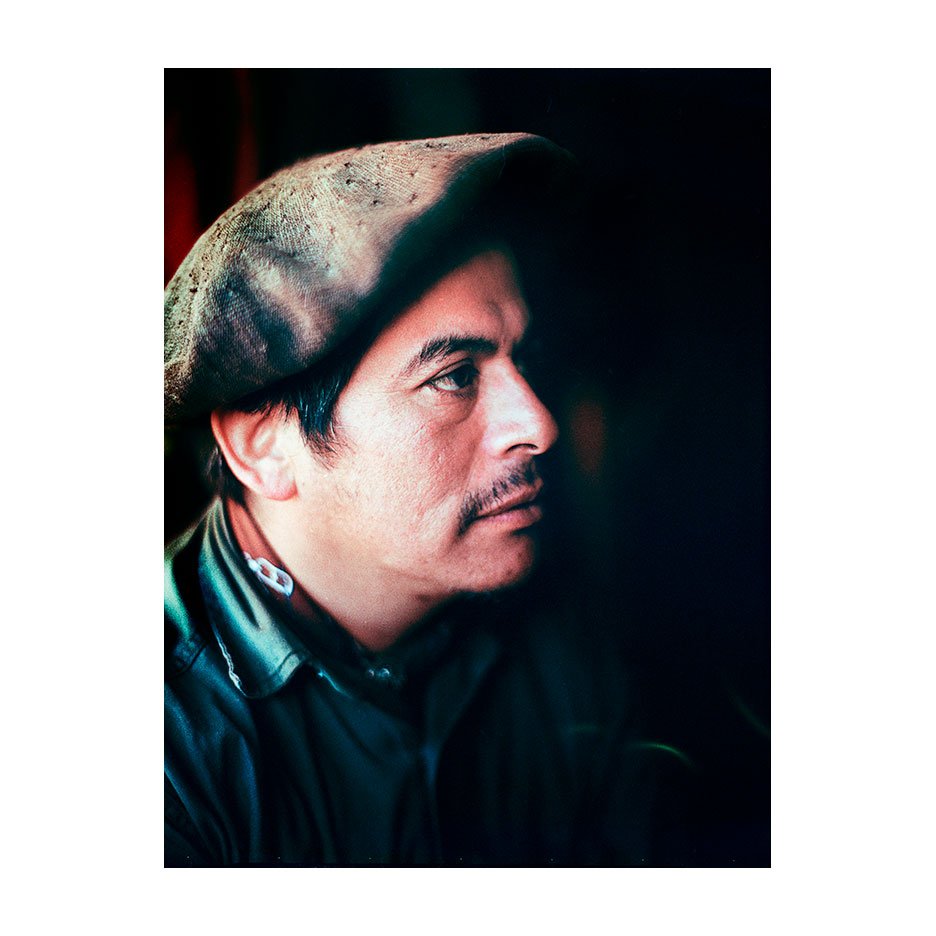
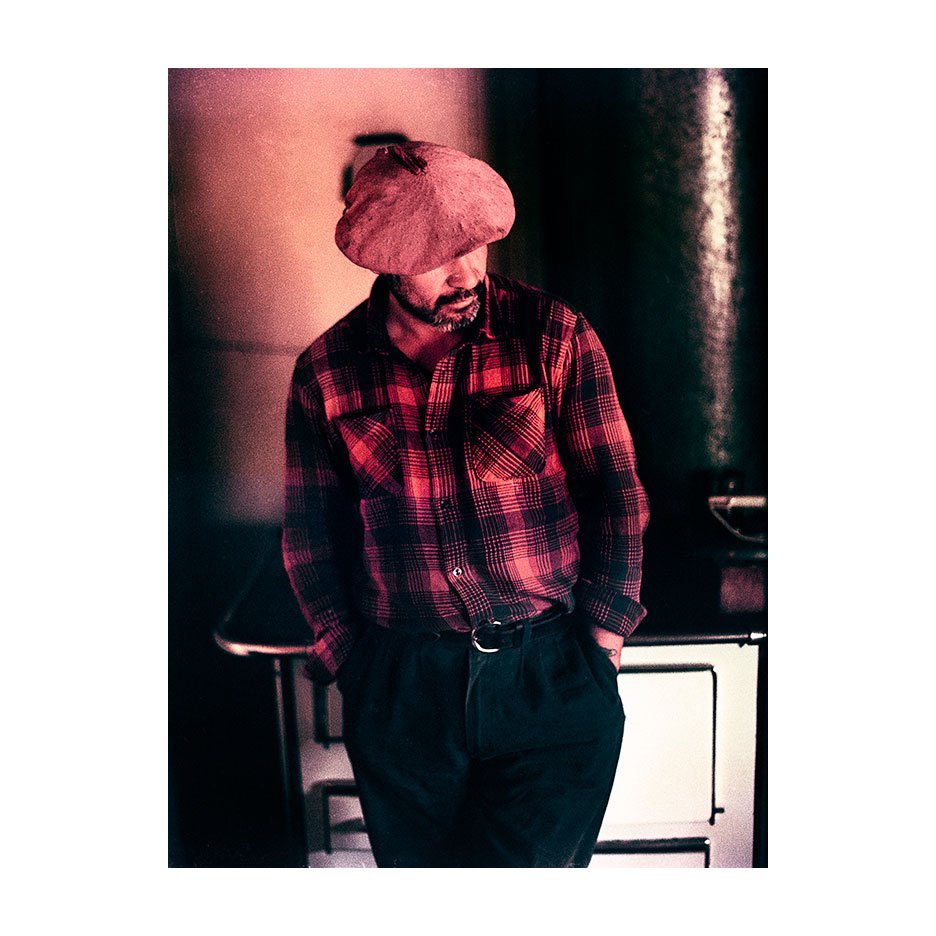
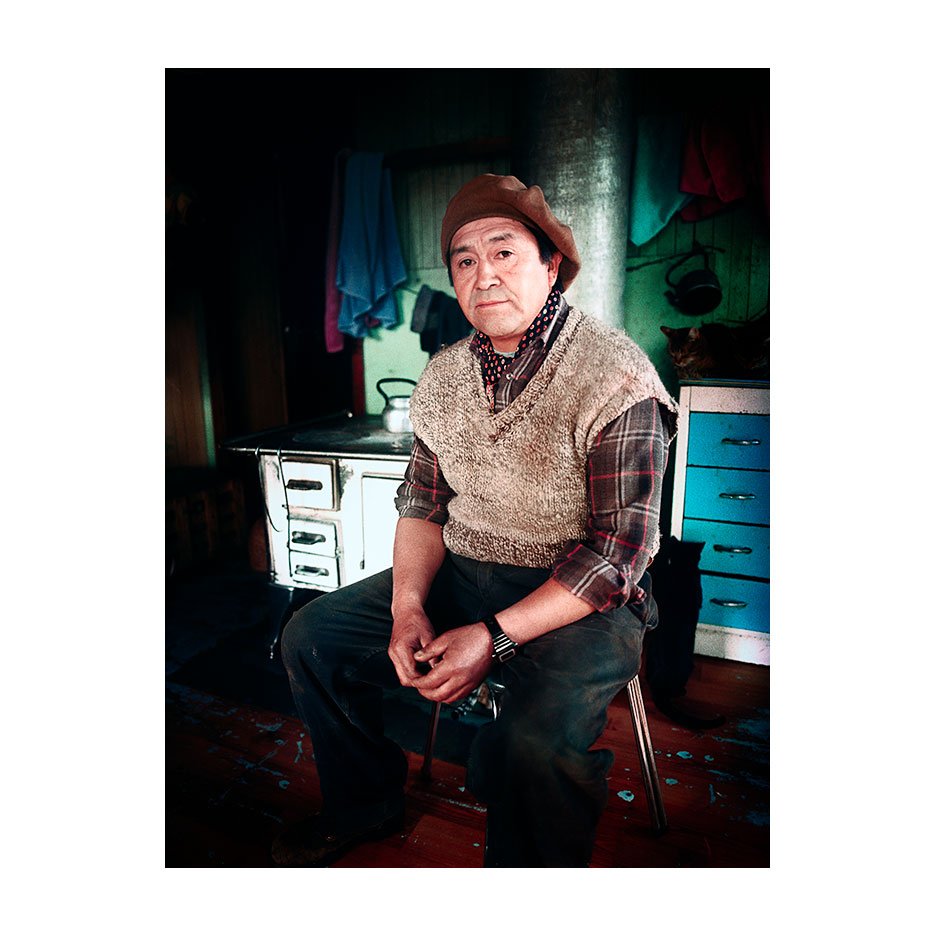
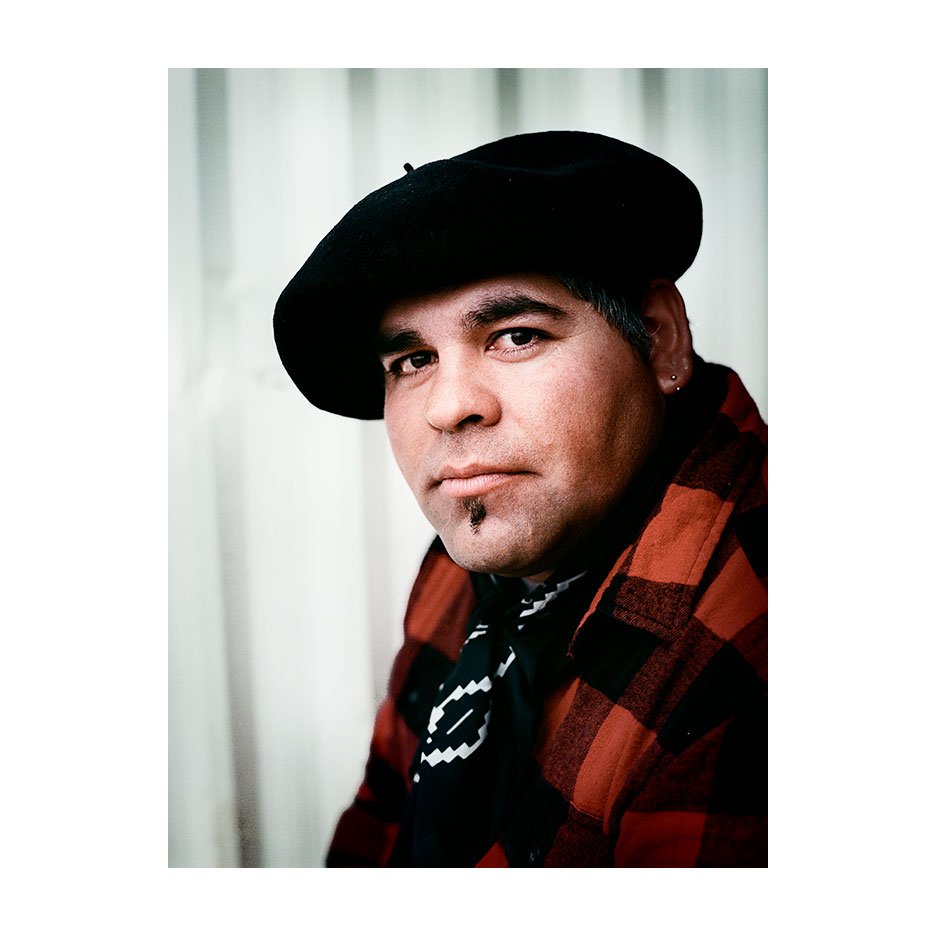
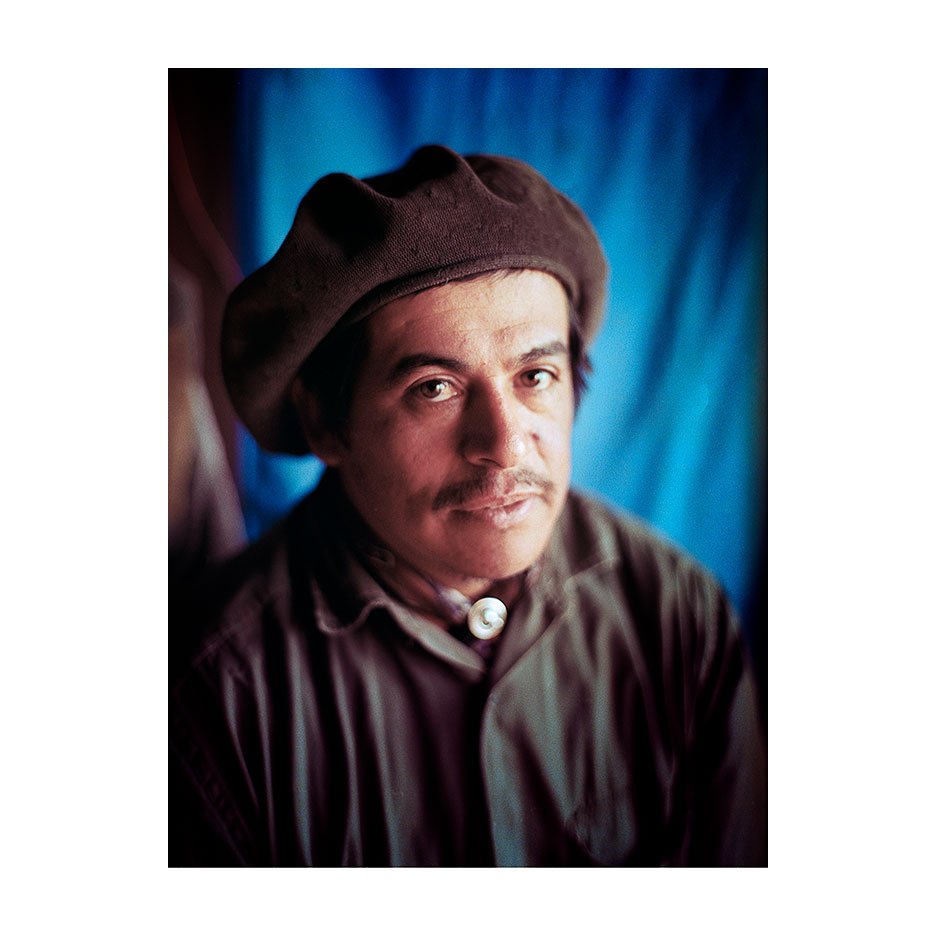
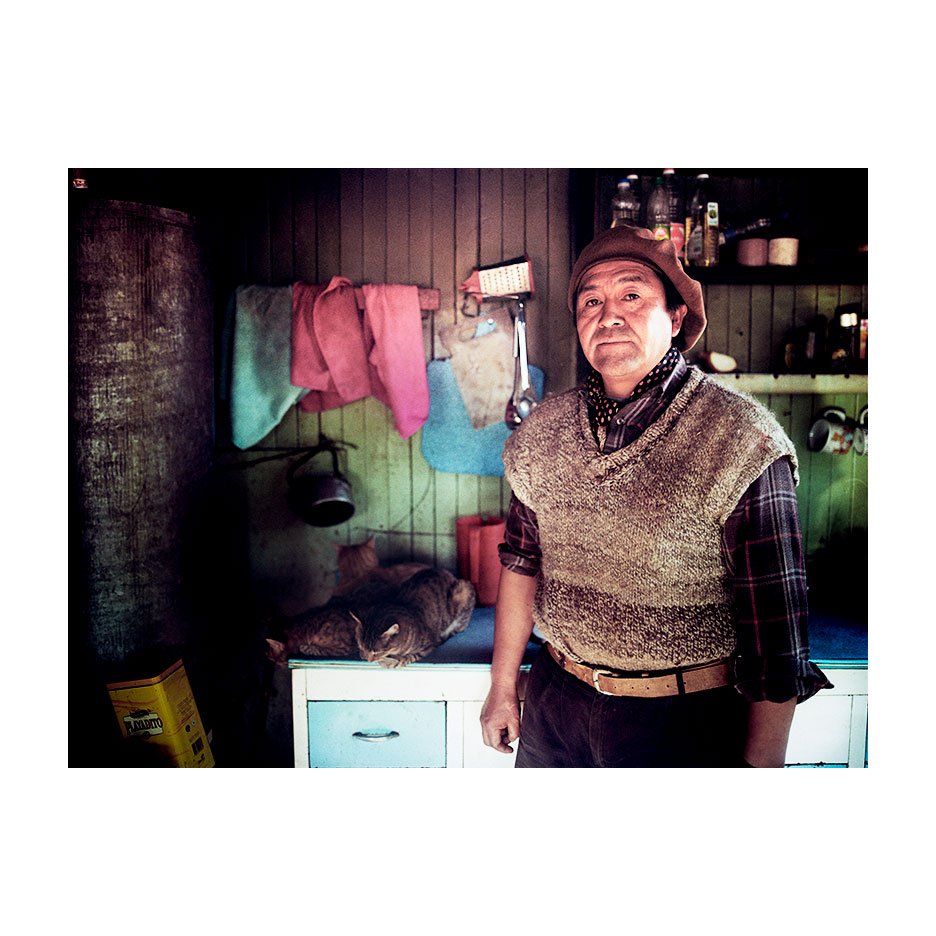
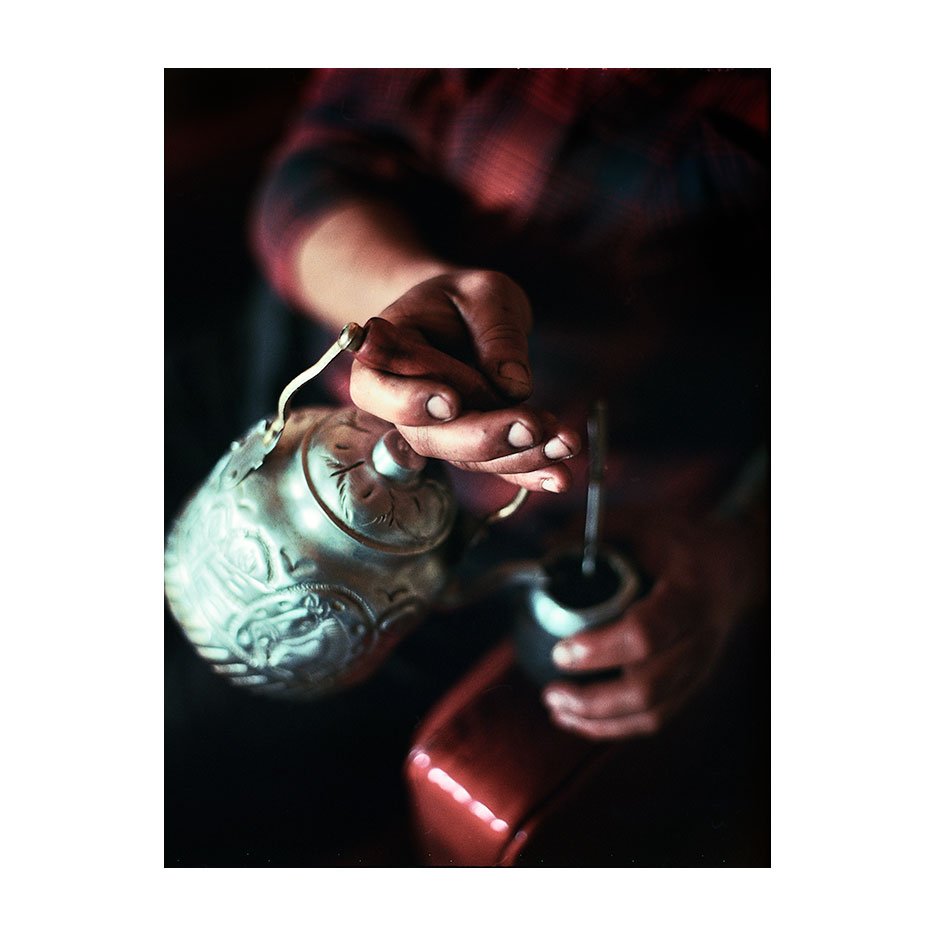
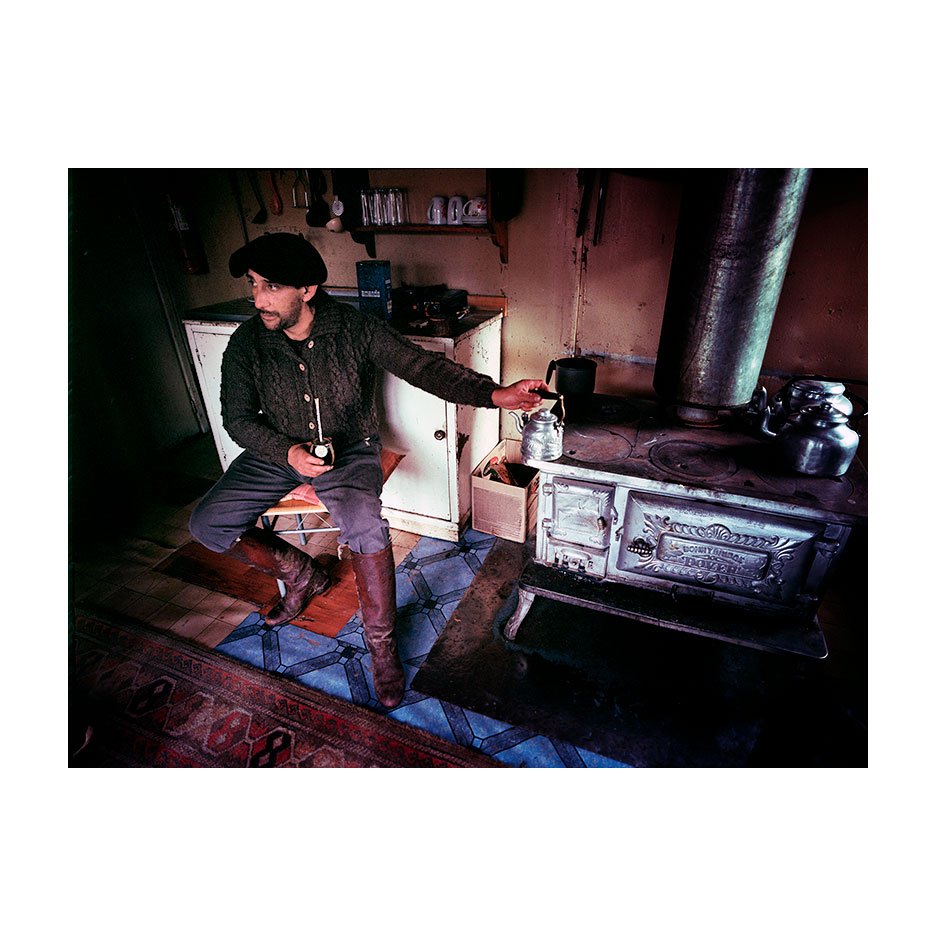
The most recent portraiture images I’ve done were those last year in Patagonia shooting Gauchos. This was a very short trip of a few days that was put together by my good friend Sabine whom used to be my Patagonian guide for many years.

I really don’t get much time to do portraiture, yet I really enjoy it when I do, and it is something that allows me to take a step back from my landscape work.

No matter how much you may love something, spending all your time doing it can kill it. A sense of staleness can surface, be it a relationship, a job, or even the arts like landscape photography. I try each year to take some time off, where I do not do any photography at all, because I find that I return to it with what feels like a new fervour. Another way to get that feeling, is to step away from your landscape work, and go do some different type of photography instead.

I am 100% sure that stepping away like this, not only gives me a chance to recharge, but more importantly, it invites growth and change. Having some time and distance to reflect on where I am creatively speaking is important, and having a pause in one’s interests can aid in that process.

More to come

I have never had much fascination for making videos, or recording my memories that much. But my mother and sister have asked me a few times if I could send them photos of where I am. So about a year or so ago I started to use my iPhone to record some memories for them.

It has been a great experience to come home, and be able to use the Apple broadcast feature to pop up images from my travels on my family’s tv.

Earlier this year two friends of mine suggested I buy a DJI OSMO to take away on my travels to go a bit further on recording my memories. I have been shy of using video because I felt it would be bulky, and also perhaps distract me when I should be focusing on making landscape images.

Whilst in Japan this January I got a very good deal on the OSMO, and it has been something that has slowly become more of a thing for me to carry around in my pocket. It’s small, has 4K, a gimbal so the picture is steady and good audio without having to use an external microphone that much.

Perhaps, as I’m getting older, I’ve become more aware that time is the most precious commodity that we have. I’m aware that I don’t think I will be running workshops and tours forever, and since I am almost 60 years old, I’d like to start recording my memories a bit more. It’s a shame in a way that I haven’t in the past. But then I don’t think I could have because the technology to do it decently was too bulky and awkward to take away with me.

I already go away with quite a bit of kit with me. Several Hasselblad film systems, duplicate lenses, meters, everything as I’ve had so many mishaps over the years, I tend to go with backups now.

I had a great time this last May in Patagonia with a great group of people. Some of them love Torres del Paine as much as I do that they have come back several times with me. Each time we go, there is always something new to see. The video above is my very first effort at collating a trip into around 3 minutes. It' was a lot of fun, and I think I am going to do this a lot more now. I also love embedding my shots from the locations so one can see what I captured at the location.

I haven’t got into grading shots, or using different video codecs. I’m not very experienced. I just use Screenflow to edit with because I find all the pro editing software a bit overwhelming. It reminds me of how I felt about Photoshop when I first started using it over twenty years ago.

It was very enjoyable and I would like to make some more of these short videos.

Getting in the way of a good image

This week I published my monthly newsletter. Inside it, I showed a collection of new images from Torres del Paine national park in Chile. It is a place I have been going to now for over 23 years.

With this set of images, I feel as if I have come full circle back to who I was in 2009. My imagery back then was more ‘traditional’ and had a lot more colour. Less ‘abstraction’ and more ‘literal’. Over the past sixteen years I have often felt as though my imagery was moving to a more and more reduced, minimalistic look, and I had wondered if I would ever reach an end point with it where I felt as though I could go no further.

Then a few years ago I wrote a post about the ‘pendulum swing of colour’, where I had hunches that our work tends to ebb and flow, and that we tend to go one way hard, only to retreat with the next set of images we create. I certainly give myself full permission to ‘fluctuate’, because that is how it is. We all fluctuate in what we do.

Someone wrote to me after my newsletter to compliment me on my ‘return to colour’ and also to ‘more traditional landscapes’. The email, as well-intentioned as it was, told me a few things:

1). that some folks out there think that some of my imagery is black and white, or lacking in colour. Colour perception varies enormously between individuals. Some can detect subtle colours (all of my work is colour) while others perceive subtle colour as black and white.

2) that my images are not traditional enough at times.

As good meaning as the email was, and I understand it was. It was just further confirmation to me that being an artist always means that your audience:

a) either won’t always get what you do (which is fine)

b) will always be one step behind you. Rarely ‘with’ you.

c) and that you’re not here to please your audience.

What I took from the email was what I had felt myself to be true, and the email only helped in confirming what I already knew:

a) that there was more colour in this work than usual for me.

b) that it was less graphical, less abstract than some of my work of late.

Helpful observations about the work for sure, and perhaps where I currently am. The email had allowed me to confirm some of my own feelings about what I had achieved with the new set of images.

At first, I wasn’t sure why these images have more colour than usual for me, or why they are more traditional, but I do now think I have an answer about this.

One of the key things we have to do as photographers, is learn to get out of our own way when making images. The landscape of Torres del Paine this winter time had such an amazing array of weather conditions from snowy to pink clear sunrises that it was just a lot easier for me, if I just submitted to what it was, shot it as it was, and edited it as it was. I think in recent years I have become very stylistic driven when assembing a portfolio. I tend to choose those images that suit a certain look, or fit a sylistic narrative that I’ve found. This can be very powerful at developing a unique style to your work, but it comes at the cost of maybe either forcing images to be what they’re not, or that they get rejected because they don’t suit the narrative you’re aiming for.

I felt very relaxed in Torres del Paine. I had no agenda. Being here so many times, and of shooting so many of the locations in certain ways in previous years, I feel as though I simply got out of my own way when shooting.

Likewise, when it came to the edit, I saw a mixture of different narratives that I could have gone for, such as ‘go hi-key and light on the snowy images’ as one option, or ‘go monochrome and almost black and white’ on some of the other images. And of course ‘go colour’ with another subset. Rather than choose one narrative to focus on, I just went for all of them. Because that is what they images showed me they were.

But maybe, the reason why I have such a mixture of different narratives in one portfolio, is that over the years of portfolio making, I’ve just become more experienced at working with different narratives that it is now much easier for me to mix them together as and when required.

When doing our fieldwork, or editing, we can often get in the way of a good image. Learning to know when to step out of their way, and let them be what they are showing you, isn’t always an easy thing to do.

Intent

For the most part, when we go out to shoot, I think we seldom know the ‘why’ during the time of shooting. It is more a case that we retrofit a motivation to the shoot after the fact.

This is no criticism, in fact, I believe that this is something that I do. I believe that when I am in the process of making images, I have zoned out. I am not thinking about ‘why’ I’m doing what I’m doing. Instead I’m in creative flow where I’m just going with something akin to intuition.

But surely there has to be some kind of intent to what we do you may ask?

Yes, I think intention should be part of your toolset when working a location. But like everything, too much of a good thing can introduce issues. Think too much as they say, and you cause analysis paralysis is one aspect of intention. Perhaps another is being so focussed on obtaining something that you fail to see and respond to something else that is presenting itself. In other words, you’re so focussed on striving for your goal that you fail to see other possibilities.

In my view, when intention is dominating us, our work tends to result in contrivance. When one is intending on doing something so badly that even if the landscape does not provide it, we will go as far as we can to make it so.

As I’ve said on many posts before, the landscape does not yield. It has no knowledge of us, our wishes and dreams. It just is. So we’d be better off learning to work with what it provides us. This is why I particularly avoid pre-visualisation of a scene. I prefer to just go and see what happens. I don’t rainbow chase locations either. It’s best to work with what you’re being presented with.

So in my view, there are really two forms of intention:

  • recognising a good thing when it’s happening and being intent on capturing it.

  • attempting to conjure up something when there is nothing of value. In short, contrivance.

In think having focus / intent is to be encouraged. Perhaps the skill is in knowing when your intent is overwhelming the situation you’re in, or working with it.

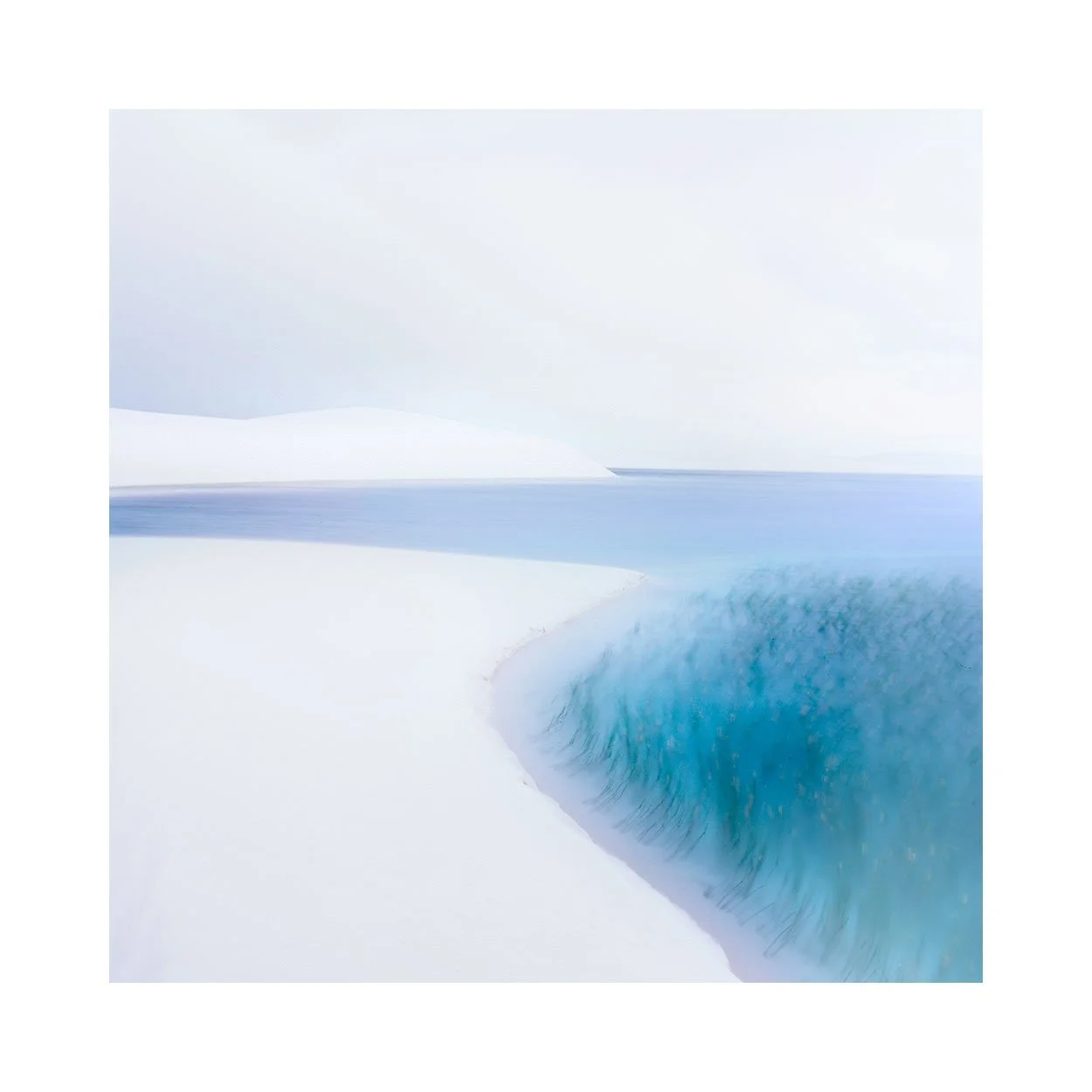
With the image that accompanies this post today, there was a clear intent on my part to shoot this lagoon. I was high up on a dune and I could see that it was beautiful. This, is in my view ‘recognising a good thing when it’s happening’. But I was in the way of myself. I was intent in capturing the entire ellipse in my viewfinder and as much as I tried, it did not work. It either suffered from looking too contrived, too obvious, or it was out of balance with the rest of the scene. I listened to my ‘gut’ tell me that ‘this is too obvious, too contrived’, and also to my instincts telling me that the balance was out of kilter. The solution turned out to be cutting the ellipse in half. It made of the lagoon a more abstract shape, whilst at the same time help balance the scene.

For me, looking for compositions is always about ‘recognising a good thing’, and then listening to when I feel either the composition may be out of balance. In the process of balancing a scene I may end up with something that feels too obvious, or something that feels it’s trying to hard to please. I am always looking to be surprised if I can from what I’m creating, and listening to my hunches about how the scene feels is vital.

Intention can sometimes get in the way, and all I’ve learned over the years is to try to go with what feels right, even if it did not fit my original intention.

Looking for improved self awareness

In this month’s news letter, I discussed portfolio selection. I’ve been thinking lately that my returning to a place allows me to play with varying degrees of contrast. When I compare some of my Hokkaido images for instance from one year to a next, it would be rather easy to assume that any variances in the work are to do with the variances in the weather and quality of light. Well, this will certainly contribute quite a lot to what you’ve got to work with for sure. As with anything, you have to start with good source material.

But I don’t think it’s always as straight forward as that. Any variances in one’s work isn’t just about the differences in the light you experienced from one shoot to the next. Nor is it strictly to do with the variances, the fluctuations in being human; one week you’re into high contrast, another less so. No there is something else that should hopefully be present in the new work. There should be some kind of evolution in the work.

Whether there was a conscious decision or not to try to go in a direction, there is always a subconscious element to what we do, and any hints of change in direction or stylistic changes will be present in the work, even if it’s not apparent to the casual viewer. The fact is: it will be there. You will either just have to go and look for it, and one of the best ways is to compare your newer work with something from a year or so ago.

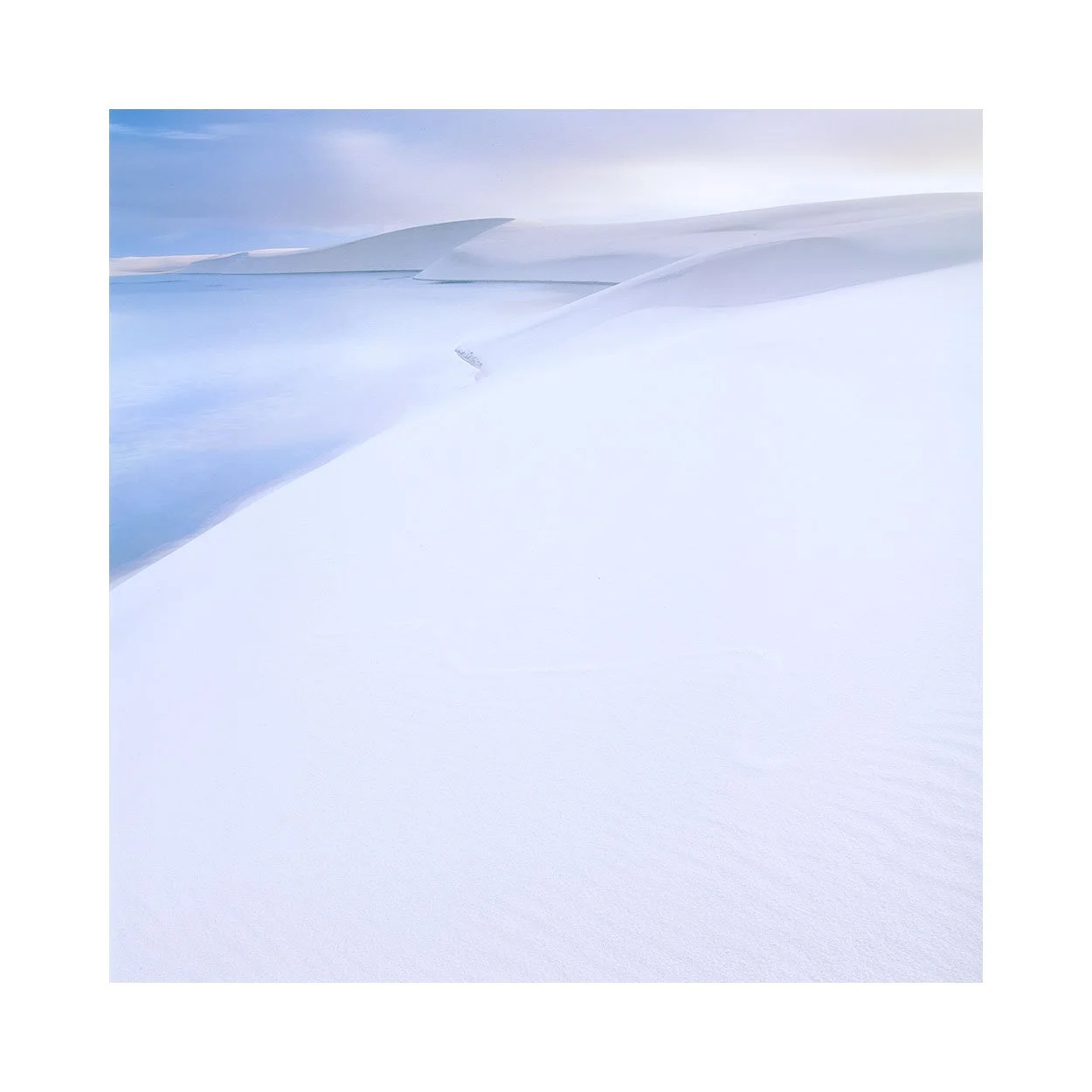
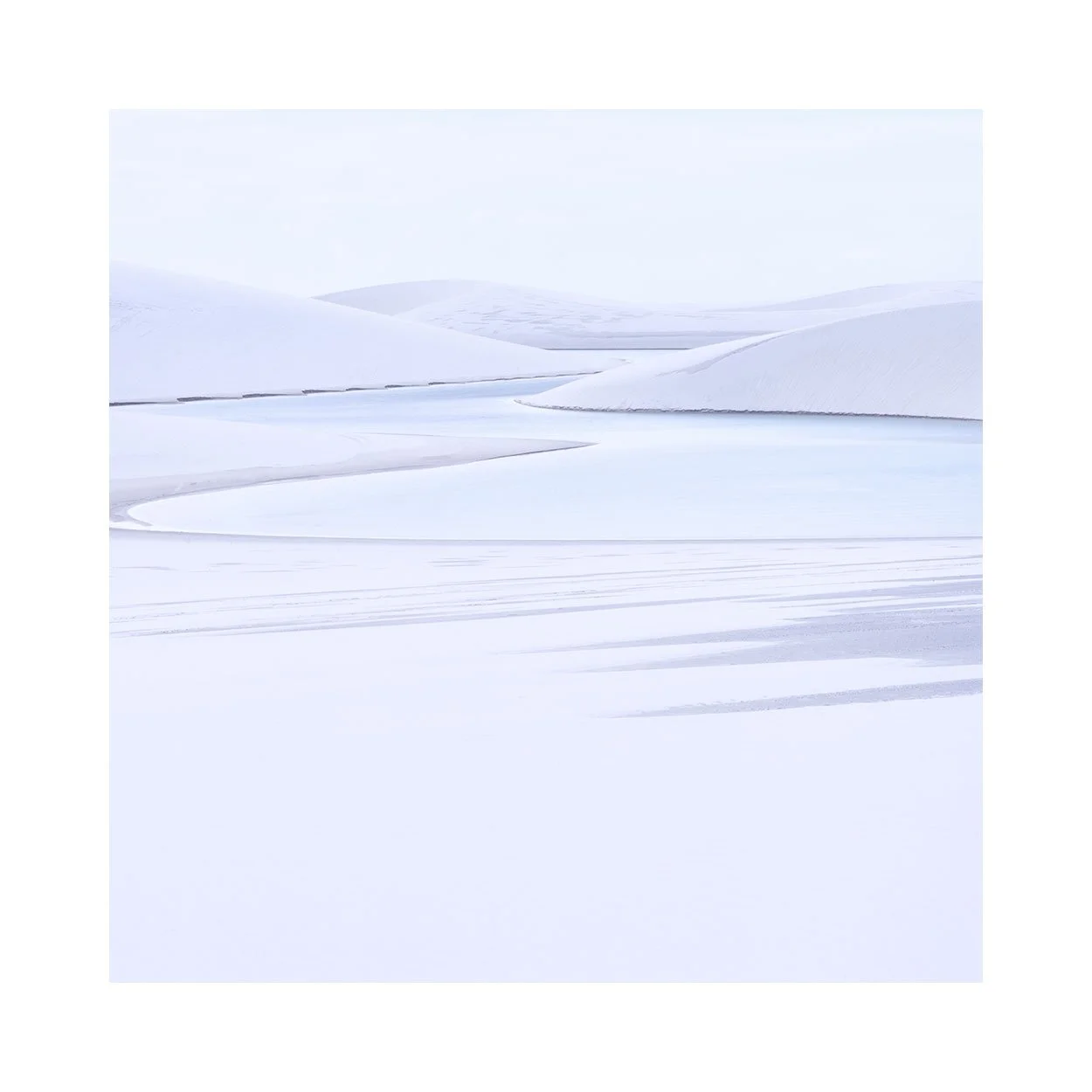
For example, comparing my recent edits from Brazil (above) with the ones from last year(below), I can see there is much of a continuation in what I do. But what of changes? Are there any changes, even if they are very subtle?

This is key.

It is where I often spend most of my time reflecting upon my own photography. I don’t have any clear answers at the moment. I just have the surfacing of hunches and observations that over time may become something more concrete.

But if I’m forced to come up with a summary of the changes, I’d say that last year’s work is more graphical, less 3D. More designed to be architecturally assembled. Tight. This year’s work less tight, less graphical, more 3D. the 3D element being possible through the use of gradation of tone across the frame. This is not so evident in last year’s portfolio.

This year’s portfolio is also a little more dreamy. With a little more colour, and a sense of more freedom to be more saturated perhaps (strength of colour is something I personally struggle with).

Anyhow, I don’t really have any conclusive answers, but I sense there is a shift. The newer work feels a little more relaxed.

I leave judgement aside, looking instead for awareness as to what it is that I do

On selling prints

‘if I had to choose images that represent who I am as a photographer,
then which ones should I choose?’

The simple process of deciding which images of your own work to offer as prints, can be a form of curation, or at the very least, invite one to consider their own body of work. Especially to ask oneself ‘if I had to choose images that represent who I am as a photographer, then which ones should I choose?’

A recent print order. For some unexplainable reason, print sales this past few months have been very active for me.

Just this week friends were asking me if I planned to do another exhibition. I did one eight years ago when I turned 50, and I think doing another when I am 60 is something I should certainly be looking into. I think everyone should exhibit their work. Firstly, the curation process will allow you to learn more about your own photography and perhaps to see themes in your work that you were not aware of.

I have found over the years of offering prints, that the ones I feel represent me the most (the more graphical abstract ones), tend to be the least popular. I mention this only to illustrate that one should never try to second guess their own audience, or what will sell well. My advice, would be to follow your own heart in what you love about your own work, and choose the images based on that alone. Doing so not only tells everyone who you are as a photographer, but more importantly, you’ll tend to attract the right people, namely those that get and dig what you’re doing. Stay true to yourself. Always.

Copyright & AI

This relates to any creative work. Tech firms are using the intellectual property of all creatives to train their AI models. This is effectively theft.

Old haunts show us how we may have changed

“To know a place, one must be more than simply familiar with it.”

Although landscapes are evolving moving things, with changeable weather, varying atmospheric conditions, and different seasons, there is a degree to which one gets to know a place if they keep returning.

But whether you can ever get to know a place entirely, to know all its moods, to experience all its seasonal faces is unlikely. There is always something kept back that you will most likely, never experience.

I say this with the understanding that I have been coming to Torres del Paine national park since 2003. Not every year, but certainly enough times now that I have lost count of my visits here. Although I would not say I know the place enough to fully understand it, I am at least familiar with many of its attractive view points. Familiarity is different in my view, from knowing a place. To know a place, one must be more than simply familiar with it.

What I find most intriguing about returning to a familiar landscape is that it can act as a reference point for the changes in my photography over the years.

In the most obvious way, I look for different things now than I once did. But also, I recognise now, that some of the features I wished to capture back in 2003 and failed to do so, were simply never going to be possible. At the time, of making images for just 3 years, I did not have the experience to know that something was not possible.

For instance, the mountain range faces north yet the sun for most of the day moves behind it. The mountain range is always backlit. The only way to make the mountains work for you is to hope for a cloudy day as cloud causes the light to scatter everywhere and appear to come from all directions. When it is not cloudy, light is extremely directional. If you’re shooting towards the light on a cloudless day, then you end up with backlit subjects.

I did not have the basic knowledge to understand this back in 2003 and I suppose in a way, I didn’t want to understand it either. I was more driven by an idealistic view of what I was hoping to shoot. The amateur in me hadn’t learned to submit to what the landscape offers. Instead I was very much hoping that the landscape would give me what I was hoping for.

As the years have gone by, I have learned that it is best to go with what the landscape offers. Turn up with as few preconcieved ‘wants’ as you can, as they only serve to get in the way.

Another way to put it would be to ‘get out of your own way’ when making photographs.

I am less in need of sunset or sunrise light. These were attractive reasons for shooting Torres del Paine that were a big draw for me back in 2003. Not now. These days I prefer to go with the natural nature of a landscape and In my view Torres del Paine is a monocrhomatic landscape of greys with colourful hints and shades of turqoise in its lakes.

I am more drawn to its natural muted palettes of it’s granite and gabbro-diorite rock. I love how the muted rock colour acts as a neutral reference point, to showcase the beautiful coloured lakes of the national park: Nordensjkjold’s greenish turqoise, Pehoe’s radox blue, and lago Grey’s grey. Along with its black beaches, Torres del Paine is a monochromatic study for me, with just a dash of lake colour.

And yet that is not what I originally came for.

So, this is my 22nd year coming here and I am wondering if I will see anything new in the familiar vistas I have visited many times? I think the answer is that something new is always on offer. It’s up to me as to whether I will be receptive to seeing it.

That remains to be determined. All I know is, that often when I think a landscape has changed, the real truth of the matter is that the landscape has changed very little. What has instead changed, is often how I am seeing it. This is often the most evident in places where I keep returning, and returning, and returning over the years.